The Most Important Thing - Origins and Inspirations | Howard Marks | Talks at Google

Interview by Talks at Google
Talks at Google is a speaker series hosted at Google offices worldwide, featuring in-depth conversations with authors, entrepreneurs, investors, scientists, and thought leaders. The format combines a prepared talk with audience Q&A, offering an intimate look at how some of the sharpest minds in their fields think about their craft.
Howard Marks traces the intellectual origins of his investment philosophy through the four key influences that shaped it: Nassim Taleb on randomness, John Kenneth Galbraith on forecasting, Charlie Ellis on the loser's game, and Mike Milken on high-yield bonds. He then distills these into Oaktree's six core tenets—above all, that controlling risk is the most important thing. The talk closes with a sharp Q&A covering second-level thinking, index fund risk, distressed debt returns, and why zero interest rates are fueling a race to the bottom.
Books Mentioned
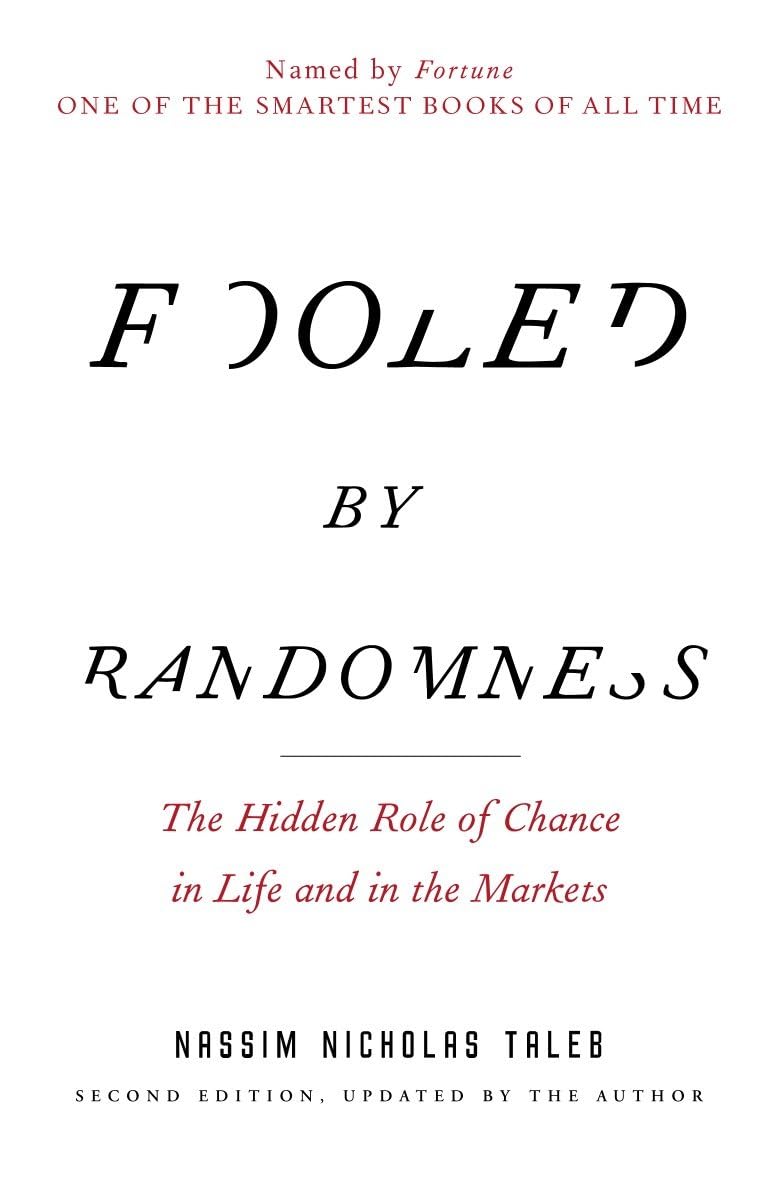
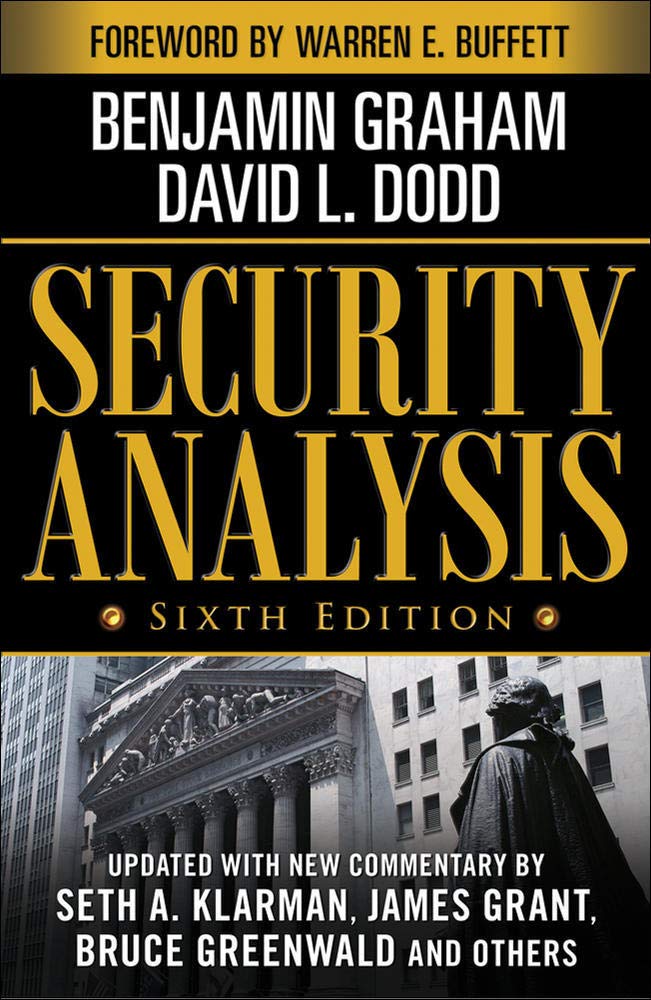
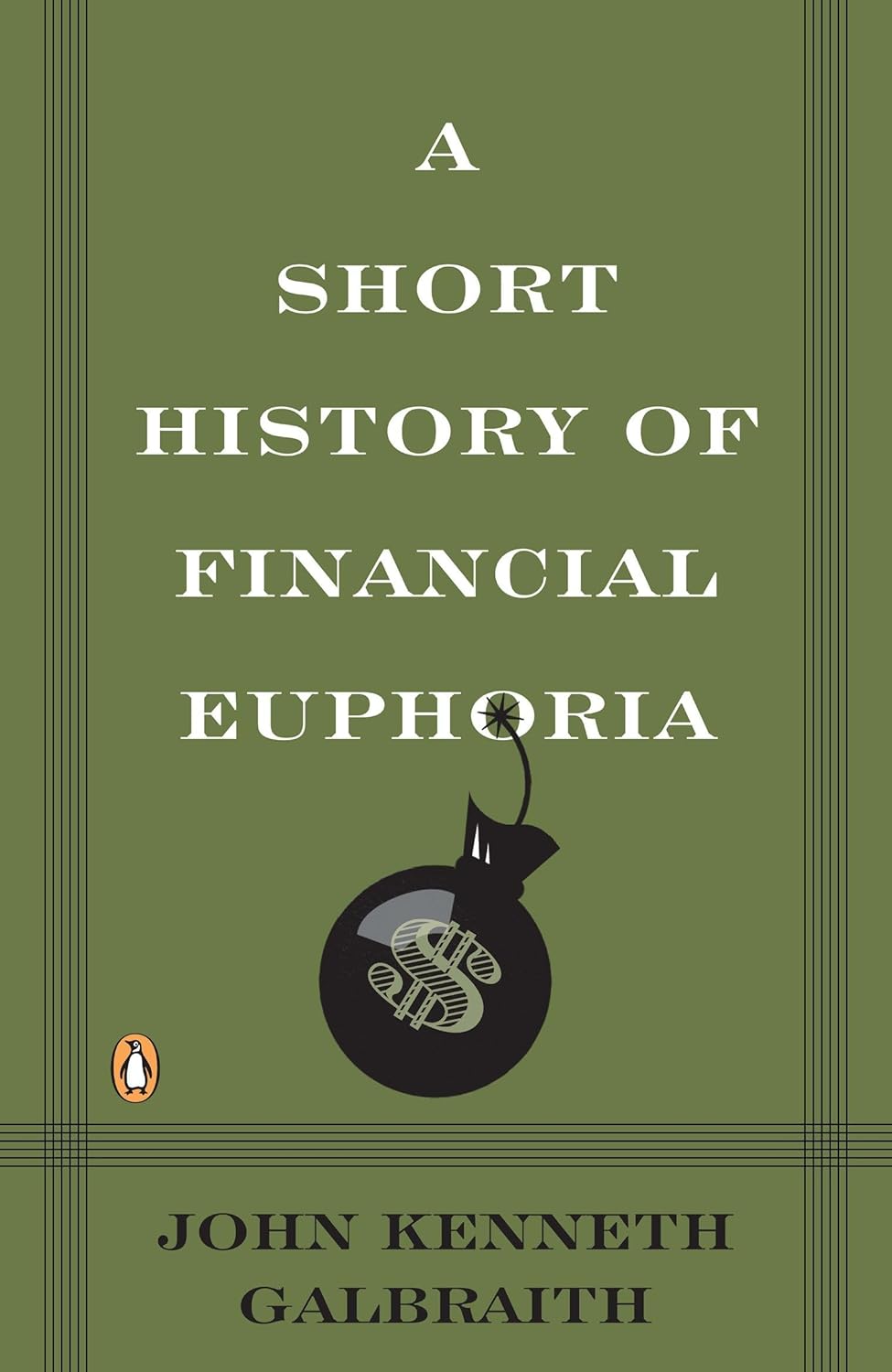
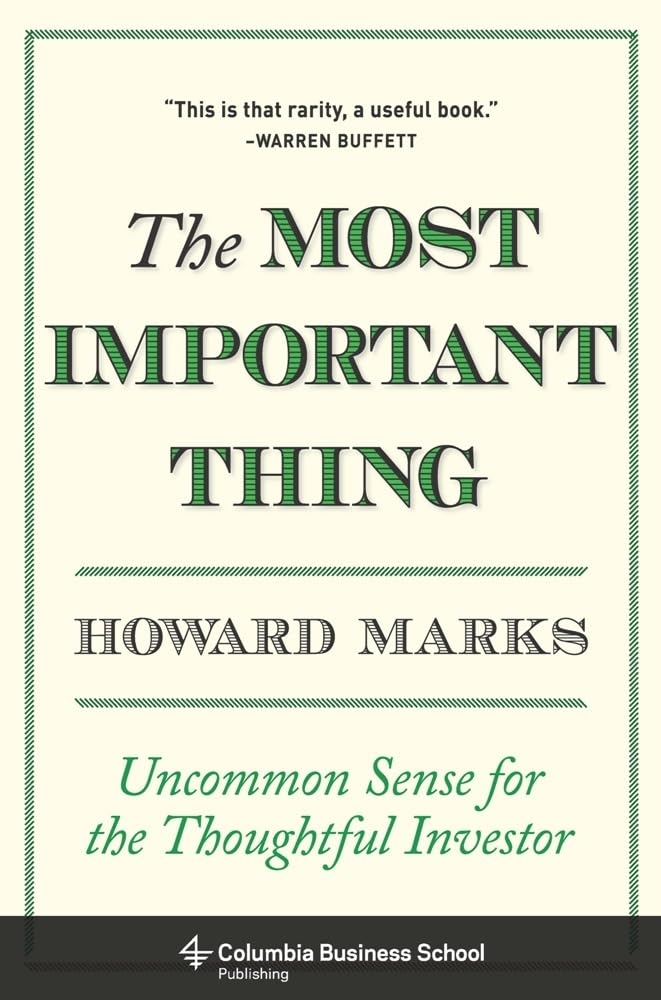
Investment philosophy is personal
The book "The Most Important Thing" came from Marks repeatedly telling clients different things were "the most important thing." Real investment philosophy isn't adopted from a book or a teacher—it emerges from the collision of what you're taught and what lived experience tells you about those lessons. No formulas work in investing; the goal is to teach people how to think, not what to think.
Fooled by Randomness
Taleb's "Fooled by Randomness" taught Marks that randomness pervades investing. In physics, a good design reliably produces a working bridge; in investing, a good decision can fail and a bad decision can work purely because of luck. The investment business is full of people who were "right for the wrong reason"—bailed out by events despite a flawed process. You cannot judge a decision by its outcome.
Risk means more things can happen than will happen
Even if you know the most likely outcome, many other things can happen instead. The highest expected value course of action may include outcomes you absolutely cannot withstand—and you shouldn't take it. You must survive the bad days, not just the average ones. The six-foot man drowned crossing a stream that was five feet deep on average.
Why conventional forecasting makes no money
Galbraith said there are two classes of forecasters: those who don't know and those who don't know they don't know. Most forecasts are extrapolations—predicting the future will look like the recent past. These extrapolation forecasts are often right but never profitable, because the consensus is already priced into securities. Being right about the obvious earns nothing.
The trap of deviant forecasts
The forecasts that make money are those of radical change—predicting minus-2 when everyone expects 2.4. But deviant forecasts are almost impossible to make correctly on a consistent basis. The forecaster who nailed one radical call was making radical calls every time and was wrong every other time. Forecasting has no value unless someone is right consistently—and nobody is.
Investing is a loser's game
Charlie Ellis's analogy: championship tennis is a winner's game, won by hitting winners; amateur tennis is a loser's game, won by avoiding errors. In investing, randomness means even doing everything right doesn't guarantee a winner. Most investors should emphasize avoiding losers rather than pursuing winners. Marks agrees but adds nuance: winners can be pursued, but only by genuinely exceptional investors.
The Milken meeting: why single-B bonds win
In November 1978, Marks met Mike Milken, who explained a simple asymmetry that shaped his career. If you buy AAA bonds—perfect companies with perfect outlooks—the only possible surprise is negative. Perfection can only deteriorate. But if you buy single-B bonds that survive, the surprises are on the upside because expectations are already so low. Low expectations are a margin of safety.
It's not what you buy, it's what you pay
The secret to investing is not buying good assets—it's buying things for less than they're worth. The Nifty Fifty were America's greatest companies, but buying them at 80-90x earnings in 1968 lost 90% by 1973. Meanwhile, investing in the "worst" companies through high-yield bonds made the most money—because the price was right. But the key three words in Milken's pitch were: "and they survive."
Bond investing is a negative art
Graham and Dodd's 1940 "Security Analysis" called bond investing a "negative art." All bonds that pay, pay the same 5%—it doesn't matter which ones you pick among the survivors. The only thing that matters is excluding the ones that default. Your greatness as a bond investor comes not from what you buy but from what you successfully exclude from the portfolio.
Oaktree's philosophy: risk control, consistency, and lopping off the left tail
Marks distills his four origins into Oaktree's six tenets: risk control above all else, consistency over boom-and-bust returns, no reliance on macro forecasting, and no market timing. The guiding model: if we avoid the losers, the winners take care of themselves. Instead of aiming for the top quartile and risking the bottom, they lop off the left-hand tail—and the consistency math is extraordinary. A fund never above the 47th percentile or below the 27th for 14 years ended up in the 4th percentile, because other funds blow up.
Three adages—and why prudence is counter-cyclical
Marks closes his prepared talk with three timeless adages. First: what the wise man does in the beginning, the fool does in the end—every trend eventually becomes overdone. Second: never forget the six-foot man who drowned in a stream five feet deep on average—you must survive the bad days. Third: being too far ahead of your time is indistinguishable from being wrong. A Q&A follows: if everyone became prudent, would contrarianism flip? Marks answers that most people want to get rich, not be prudent. Prudence only takes over in crashes—exactly when you should turn aggressive.
Superior judgment and second-level thinking
Asked about macro forecasts, Marks explains you need an economic framework but the real question is how radical your assumptions are. None of this works without superior judgment. The first chapter of his book says the most important thing is second-level thinking—thinking differently from everybody else, and better. The first-level thinker says "great company, buy." The second-level thinker says "great company, but not as great as everyone thinks—sell."
Index funds don't eliminate risk, just benchmark deviation risk
Index funds guarantee you match the index—they don't eliminate risk. They eliminate the risk of deviating from the benchmark, but when the index goes down, the index fund investor loses money with no value-added buffer. Index investing is a fine choice for amateurs who can't beat the market, but it is not a riskless trade.
Why markets stay inefficient enough
Most investors can't beat the market because the market is efficient—prices are kept roughly right by thousands of active investors hunting bargains. But here's the paradox: when too many give up and switch to passive, prices resume deviating from intrinsic value and beating the market becomes possible again. Active management sows the seeds of its own revival.
Catalysts and the fixed-income advantage
You can never estimate how long it takes for price to converge to value—which is exactly why being too far ahead of your time feels identical to being wrong. Fixed income investing has a structural advantage: a bond's maturity date is a guaranteed catalyst that forces convergence. Most equities have no such catalyst—an undervalued stock may stay undervalued indefinitely.
Raising money for what nobody wants to buy
In 1978, 90% of institutions had explicit rules against high-yield bond investing. The pitch to early clients: "You should do this because nobody else is." You make money doing what nobody wants to do that turns out to have value. Oaktree's distressed debt strategy exemplifies this—buying the debt of bankrupt companies for less than it's worth has returned approximately 23% annually for 28 years, before fees and without leverage.
The small investor's edge—and the capacity trap
Buffett once said he could guarantee 50% annual returns running small sums. The small investor has a genuine edge—as long as they're willing to stay small. But success brings more money, more money degrades performance, and the fees from managing more assets create a powerful incentive to let the process become unchecked. You cannot do destructive testing with client capital—you must stop before you hit the wall.
The race to the bottom
With the risk-free rate near zero, safe instruments pay no income. Investors are chasing yield mindlessly—seduced by 6% versus zero, with no understanding of the risks they are taking. The result is a reverse auction: lenders bid down yields and waive protective covenants, issuing bonds at 5% with no protections. When people do risky things, the market becomes a risky place. Oaktree's posture: move forward, but with caution.