Traders & Investors
Finwistic curates insights from the world's most successful traders and investors — spanning momentum trading, macro investing, value investing, swing trading, and options. Each person's interviews are broken into bite-sized insights, tagged by topic, and made searchable so you can find exactly what each trader says about position sizing, cutting losses, market timing, or any other subject.
The roster includes US Investing Champions (Mark Minervini, David Ryan, Goverdhan Gajjala), legendary macro and fundamental investors (Stan Druckenmiller, Peter Lynch, Warren Buffett), institutional leaders (Rick Rieder, Jon Gray), and a generation of modern systematic traders sharing their process in detail for the first time. Whether you're studying breakout strategies, CANSLIM, SEPA, or long-term compounding, the insights here come from practitioners who have proven their edge in live markets.

Tito Adhikary
Cancer researcher with a PhD from Harvard who achieved over 2,000% returns in the 2025 US Investing Championship enhanced growth division, applying a rigorous hypothesis-driven framework to options trading. His methodology is built on systematic backtesting, statistical edge identification, and probability-based position sizing — treating each trade as an experiment with a defined expected value and acceptable risk parameters, the same discipline he applies in scientific research. Ahikari focuses on options strategies that exploit volatility mispricings, earnings catalysts, and asymmetric risk-reward setups, with compounding as the central long-term objective. His crossover from academic research to competitive trading challenges the conventional divide between quantitative analysis and active speculation, demonstrating that scientific thinking and rigorous process can be a powerful edge in derivatives markets. Ahikari's results are among the most striking examples of how a systematic, evidence-based approach can produce exceptional returns in a competitive, high-stakes environment.
1 video · 38 bites
Chuck Akre
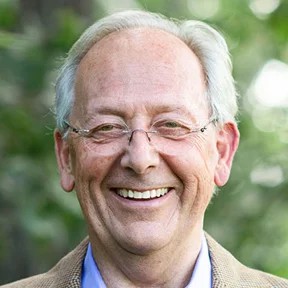
Charles T. "Chuck" Akre is the founder, chairman, and CIO of Akre Capital Management, which he launched in 1989 and built into a firm overseeing approximately $8 billion through the Akre Focus Fund and separate accounts. His investment philosophy is organized around a single framework he calls the three-legged stool: buy extraordinary businesses run by managers of skill and integrity, at valuations that allow the compounding of free cash flow at above-average rates to drive returns. Starting in the brokerage business in the late 1960s with no formal finance education — he was a pre-med student — Akre developed his approach through voracious reading, most notably Thomas Phelps' 100 to 1 in the Stock Market, which shaped his lifelong focus on identifying the rare businesses that can compound capital at extraordinary rates for decades. The Akre Focus Fund has compounded at approximately 14.9% annually since inception, consistently delivering above-average returns with below-average risk. Based in Middleburg, Virginia — deliberately distant from Wall Street — Akre and his team spend their days reading shareholder letters, proxy statements, and biographies, and regularly leave their offices to visit corporate headquarters and manufacturing facilities. He serves on the board of Enstar Group and remains one of the most articulate proponents of patient, concentrated, business-owner investing.
1 video · 15 bites

Clement Ang
Clement Ang is a Hong Kong-based portfolio manager at SilverCape Investments and a two-time competitor in the US Investing Championship's million-dollar division, posting a combined +522%. Raised in Singapore and educated at Nanyang Technological University, he began trading in late 2019 as a second-year economics and finance student after his mother introduced him to the stock market, and traded through the COVID crash, the 2020–21 bull market, and the 2022 bear. A 60% drawdown in early 2023, driven by shorting Tesla on tilt, forced him to rebuild his process around the work of Kristjan Qullamaggie, William O'Neil, Mark Minervini, and Oliver Kell. He now trades Stage 2 breakouts and pullbacks, reads market environment before selecting stocks, and scales risk to his equity curve.
1 video · 31 bites

Pradeep Bonde
Founder of StockBee and creator of the Episodic Pivot (EP) trading methodology, Pradeep Bonde has been trading U.S. equities since 1998 and has built one of the most active trader education communities in the world. His EP strategy is built on a simple but powerful observation: stocks that report massive earnings surprises — 300% to 2,600% profit growth — can double or triple in weeks, and identifying them early with precise entry and exit discipline is a repeatable edge. Over 25 years Bonde has coached thousands of traders through StockBee's daily zoom meetings, live market commentary, and community forums, with alumni including multiple Market Wizards participants and US Investing Championship contestants. His philosophy bridges Episodic Pivot momentum setups with a hard-earned emphasis on execution over strategy — the belief that most profitable traders share the same rough playbook, and that the real separation comes from tiny execution details: when to sell into strength, how to recognize the god syndrome after a winning streak, and how to diagnose losing periods through a four-factor model of setup, process, market, and trader motivation. His approach remains one of the most practically documented frameworks for building a sustainable, process-oriented trading career.
1 video · 15 bites

Lance Breitstein
Professional trader and educator who developed a multi-time-frame trend-following system built around VWAP (Volume-Weighted Average Price) anchored to key structural price levels. Before trading full-time, Breitstein was a professional poker player — an experience that shaped his probabilistic approach to position sizing, risk-reward evaluation, and emotional discipline under pressure. His methodology focuses on identifying stocks in confirmed uptrends across both daily and intraday time frames, entering on VWAP reclaims or breakouts with well-defined stop levels, and scaling out systematically as positions move in his favor. Breitstein places heavy emphasis on process over outcome — the belief that consistent execution of a rules-based system separates professional traders from amateurs, regardless of any individual trade's result. He actively shares his framework and trading psychology insights through social media and interviews, making his approach one of the most accessible models of systematic intraday and swing trading available to independent traders.
1 video · 26 bites
Warren Buffett
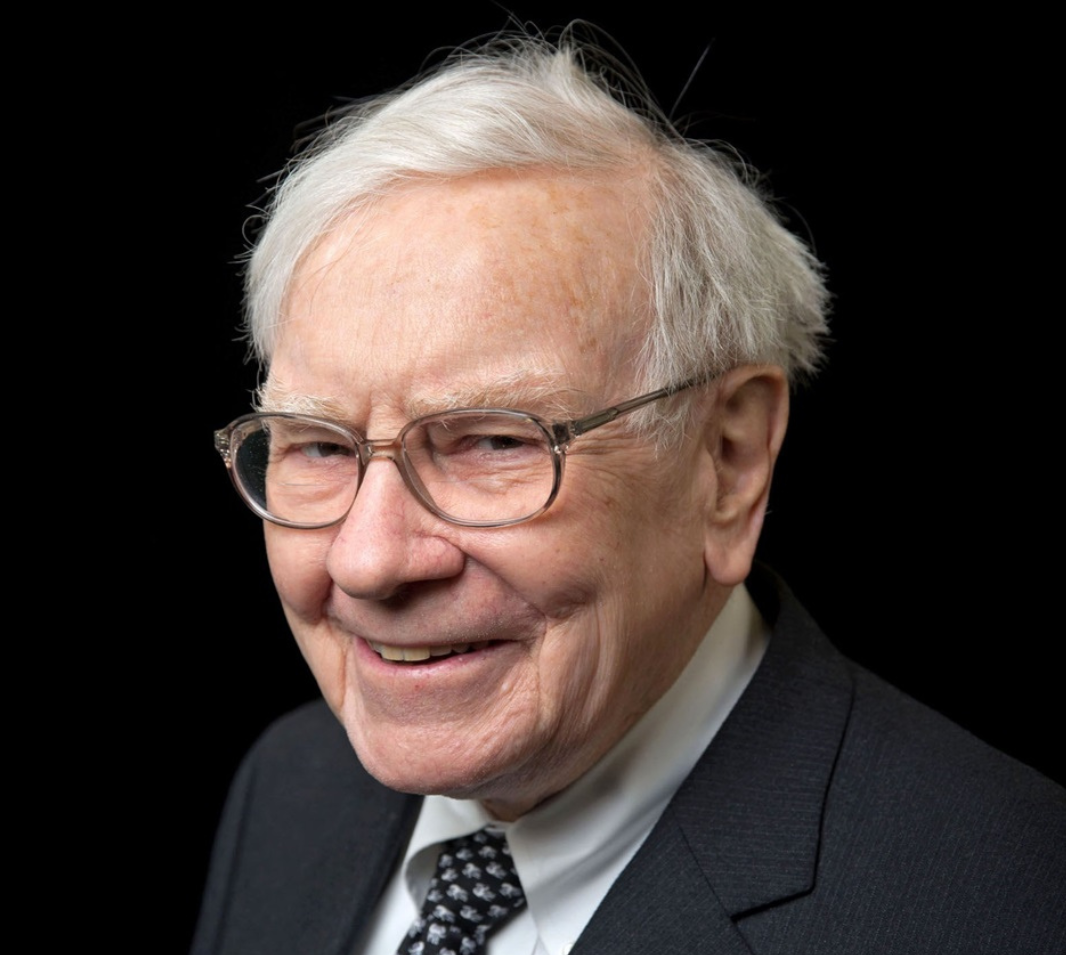
Chairman and CEO of Berkshire Hathaway and widely regarded as the greatest investor of all time, having compounded capital at approximately 20% annually over six decades to build one of the largest fortunes in history. His investment philosophy, shaped by Benjamin Graham's margin-of-safety framework and Charlie Munger's emphasis on business quality, centers on buying wonderful businesses with durable competitive moats — strong brand recognition, pricing power, network effects, or structural cost advantages — at sensible prices, and holding them indefinitely as earnings compound. Buffett evaluates businesses through the lens of owner earnings, normalized free cash flow, and long-term return on invested capital — metrics that reveal the true economic engine beneath reported financials and separate businesses that genuinely create value from those that merely appear to. Known for his extreme patience, intellectual honesty, and refusal to act outside his circle of competence, Buffett has demonstrated across multiple market cycles that disciplined business analysis and long-term conviction outperform frequent trading and macro forecasting. His annual letters to Berkshire Hathaway shareholders — compiled and annotated in The Essays of Warren Buffett edited by Lawrence Cunningham — are widely considered the most valuable free educational resource in investing and essential reading for any serious student of markets.
2 videos · 19 bites
Stan Druckenmiller
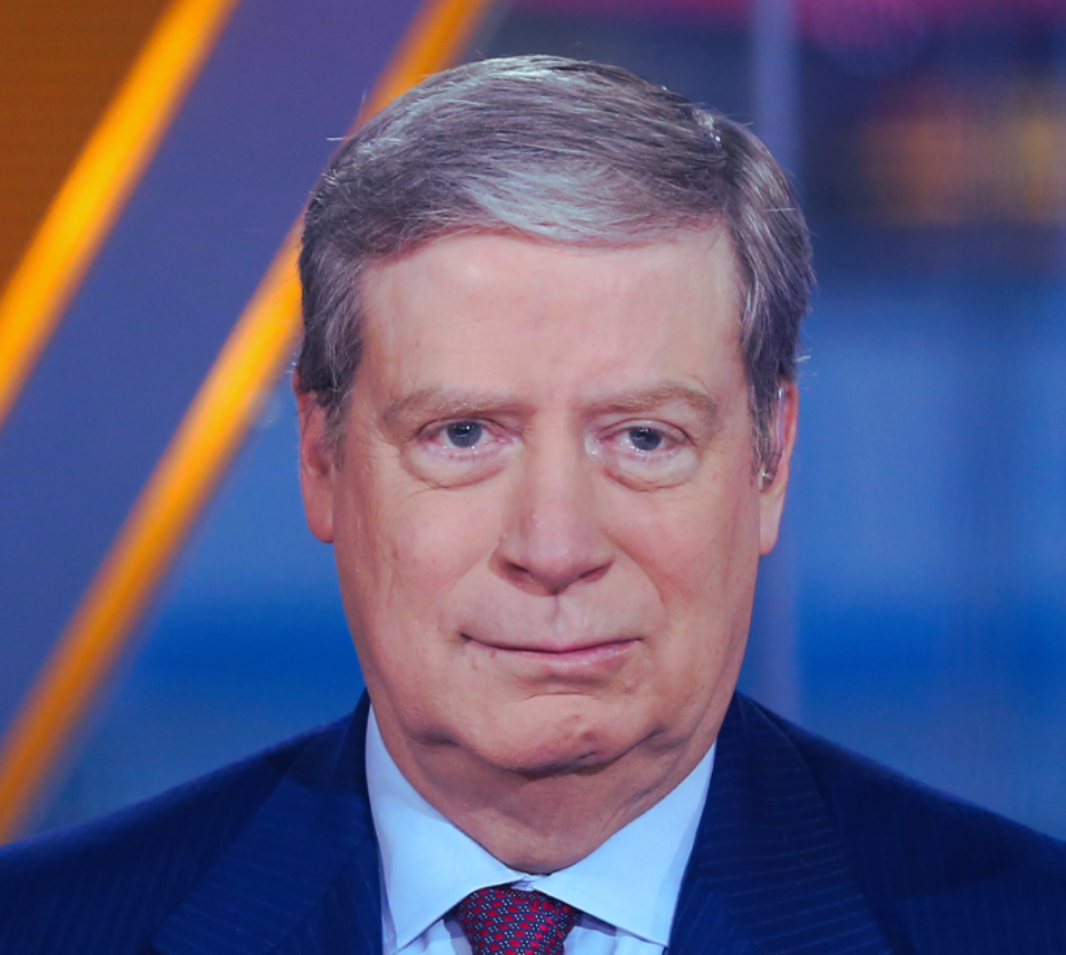
One of the greatest macro investors in history, running Duquesne Capital Management from 1981 to 2010 with approximately 30% average annual returns and no losing years across the entire period. As George Soros's chief portfolio manager, Druckenmiller was the architect of the 1992 trade that broke the Bank of England — shorting the British pound for over $1 billion in a single day. His framework combines top-down macroeconomic analysis with bottom-up stock picking, prioritizing liquidity conditions, central bank policy, and earnings momentum to identify high-conviction opportunities across asset classes. Druckenmiller is known for betting big when conviction is highest — concentrating positions in moments of maximum clarity rather than diversifying for its own sake — a philosophy that distinguishes great investors from merely good ones. Now managing his personal family office, he remains one of the most closely followed voices in global macro investing and a foundational figure for anyone studying the intersection of macro and equity markets.
4 videos · 41 bites

Steven Dux
Chinese-born independent trader who turned $27,000 into over $50 million primarily through short selling small-cap stocks. He learned to trade within 6 months at age 22 and holds the record for the highest single-day P&L in 2022 at over $6 million. Dux's methodology is built on a psychology-first approach to strategy design — understanding what the majority of traders are thinking and positioning against it — combined with rigorous statistical backtesting that narrows entry and exit criteria down to the decimal point. His framework filters for stocks meeting five precise criteria (percentage gain, pre-market volume, price, market cap, and float) and exploits the point at which retail buying power exhausts itself, creating asymmetric short opportunities. Dux is one of the most prominent voices in the small-cap short selling space, known for his engineering mindset, his extreme discipline around profit-taking and position sizing, and his willingness to share the data-driven processes behind his results.
1 video · 31 bites
Goverdhan Gajjala
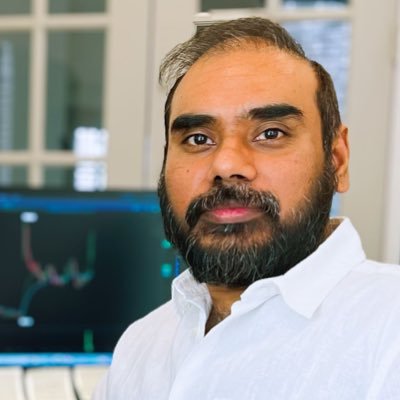
Top performer in the 2023 US Investing Championship with an 85% annual return, achieved through a systematic approach to momentum and small-cap swing trading. His strategy focuses on identifying early-stage breakouts in small-cap stocks with strong relative strength, using volume analysis and strict entry discipline with predefined stop placements to maintain a favorable risk-reward profile on every trade. Gajala places heavy emphasis on trade management — scaling into winning positions while keeping losses small — as the primary driver of long-term compounding. His process is built on thorough daily preparation, consistent scanning for high-quality setups, and maintaining psychological consistency across varying market environments. Gajala represents a new generation of retail-turned-professional traders who have refined a durable edge through thousands of documented trades and disciplined self-review.
1 video · 33 bites

Jon Gray
President and Chief Operating Officer of Blackstone, one of the world's largest alternative asset management firms with over $1 trillion under management. He built Blackstone's real estate business into the largest real estate private equity platform in the world, culminating in the 2007 acquisition of Hilton Hotels for $26 billion — a deal that became the most profitable real estate private equity investment in history despite coming within weeks of total collapse during the 2008 financial crisis. Gray's investment approach centers on buying high-quality assets at stressed valuations, investing in operational improvements, and holding through cycles with conviction that durable businesses with strong underlying demand recover and compound. His sector focus — logistics, data centers, hospitality, and housing — reflects a disciplined view that real assets tied to secular demand drivers outperform over the long run. Gray's Hilton story is one of the most instructive real-world case studies in private equity conviction, crisis management, patience, and long-term compounding.
1 video · 4 bites

Ariel Hernandez
Self-taught swing trader who turned $30,000 into over $10 million in five years after beginning his trading journey upon release from prison in April 2020. Starting with no market knowledge — he had to learn what VWAP was and how to place a limit order — Hernandez grew his account through aggressive scalping and sympathy plays during the post-COVID bull market, compounding small daily gains into life-changing sums. After the 2022 market environment shift forced a reckoning, he transitioned from day trading to swing trading, developing a top-down framework that tracks institutional money flow from market to industry group to individual stock. His multi-playbook approach integrates setups drawn from Gil Morales (undercut and rally), Mark Minervini (VCP), and Pat Walker (flat base breakout), grounded in O'Neil-style fundamental screening for earnings growth, sales acceleration, and relative strength. Known online as @RealSimpleAriel, he shares trade analysis, live market commentary, and educational content across X and YouTube, with a philosophy centered on adaptability, continuous learning, and the conviction that swing trading is accessible to anyone willing to do the evening homework.
1 video · 17 bites
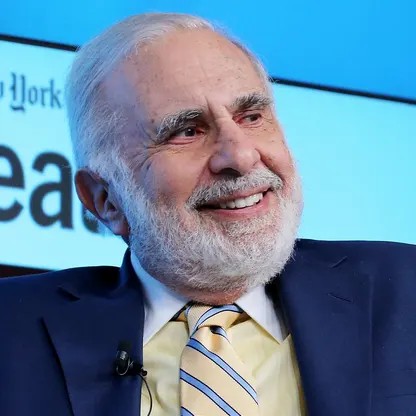
Carl Icahn
Carl Icahn is the founder and controlling shareholder of Icahn Enterprises, and one of the most renowned activist investors in history. Born in 1936 in Queens, New York, he began his career as a stockbroker before founding Icahn & Co. in 1968, building his fortune through risk arbitrage and then pioneering the modern activist playbook: acquiring significant stakes in undervalued, poorly managed companies and aggressively pushing for operational turnarounds, breakups, and management changes to unlock shareholder value. Over five decades, his campaigns — targeting companies from TWA and Texaco to Apple and Netflix — have unlocked billions in shareholder value and earned him a reputation as the most feared and respected corporate raider on Wall Street. His track record is built on a simple, consistent framework: buy deeply undervalued companies when nobody wants them, go in and hold management accountable, and hold for the long term. Icahn frequently notes that his greatest returns came not from quick flips but from holding companies for 7–9 years — ACF Industries for over 30 years, American Railcar for 23. He exited the hedge fund business to operate with permanent capital, arguing that activism requires the ability to buy more when stocks decline rather than being forced to sell into redemptions. His influence extends beyond markets into policy, where he has been an active voice on corporate tax reform and governance, and briefly served as a special advisor to President Donald Trump on regulatory reform. Icahn's career is one of the most durable demonstrations that concentrated, conviction-driven value investing — combined with a willingness to confront management — can compound capital across decades and market cycles.
1 video · 9 bites
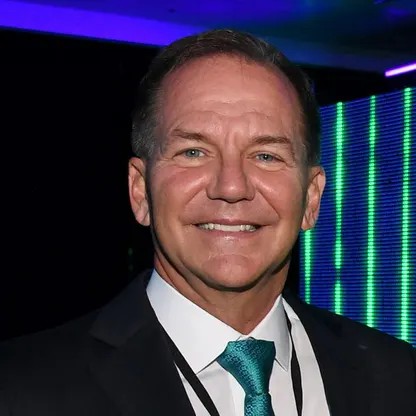
Paul Tudor Jones
Paul Tudor Jones II is one of the most celebrated macro traders in history and founder of Tudor Investment Corp, which he launched in 1980 and built into one of the world’s pre-eminent macro hedge funds over the following four decades. He is best known for predicting and profiting from the 1987 Black Monday crash — the single largest one-day percentage decline in Dow Jones history — having spent months studying its structural parallels to 1929 and positioning short before portfolio insurance unraveled across global markets in a single devastating session. His BBI fund has maintained a negative correlation with the S&P 500 — approximately -0.12 — for more than forty years, meaning every dollar of return has been generated as pure alpha, entirely uncorrelated with broad equity beta. Jones’s framework centers on identifying macro situations that are undervalued, underowned, and dormant — a mispriced currency, a rate market where policy has strayed too far, a commodity that drifted quietly away from fair value — and then waiting for the catalytic moment that forces the market to reprice. He coined the phrase “losers average losers,” a categorical rejection of adding to losing positions, and was one of the first major institutional investors to publicly embrace Bitcoin as an inflation hedge, announcing a meaningful allocation in 2020 as central bank and Treasury interventions created what he identified as a once-in-a-generation inflation setup. Beyond trading, Jones founded the Robin Hood Foundation in 1988 — the day after the ‘87 crash, when he believed a depression was coming — which has since distributed over four billion dollars fighting poverty in New York City and helped pioneer the application of rigorous business metrics to philanthropic giving. A recurring theme across his career is that great traders are, above all, great risk managers: the ability to cut losses without hesitation, preserve liquidity at all costs, and remain psychologically stable under maximum duress is what separates careers that endure for decades from those that end in a single spectacular blowup.
1 video · 17 bites
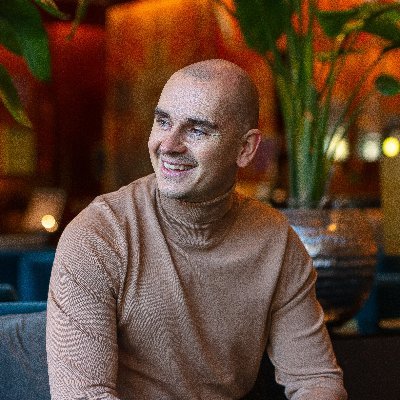
Kristjan Kullamägi
Swedish independent trader who turned a modest starting account into tens of millions in trading profits through a systematic breakout strategy applied to high-momentum U.S. growth stocks. After beginning to trade the U.S. equity market in 2011 — while finishing a biomedical engineering degree — Kullamägi went through multiple blowups day trading before pivoting to swing trading after intensive self-study of thousands of historical charts. He developed a framework centered on the staircase structure of trending stocks: identifying names with strong earnings and revenue growth that form orderly, tight consolidations after a prior leg higher, then buying aggressively when the volatility contracts and the stock breaks to the next step. His entry discipline uses opening range highs as precise triggers with the low of day as the initial stop, and he trails winners using the 10-day and 20-day moving averages while taking partial profits into strength. Known online as Qullamaggie — his widely recognized handle — Kullamägi is one of the most widely followed independent swing traders in the world, running a daily live trading stream on Twitch and maintaining a blog at chartsandstories.com that documents his methods and trade case studies across many years and market cycles. His results stand as one of the most compelling demonstrations that a consistent, rules-based breakout strategy — applied with extreme discipline in sizing, scaling, and loss-taking — can generate exponential returns over time.
1 video · 15 bites

Martin Luk
Hong Kong-based swing trader who finished sixth in the 2024 US Investing Championship's Stock Division with +283.1% and won the 2025 championship with +969.8%. A 2024 graduate of the University of Hong Kong in Global Economics and Finance, Luk began trading in October 2020 with a HK$10,000 government payout (about US$1,300), tripled the account in three months, then lost roughly half of it buying GameStop at the exact top of its parabolic move. The ensuing two-year drawdown became the foundation of his system: after studying Kristjan Kullamägi's streams (the source of roughly 80% of his approach), Nicolas Darvas, and Mark Minervini, he rebuilt around tight stops, low win rates, and high risk-multiple entries. His signature approach combines weekly base context with precise daily and intraday triggers — prior-day highs, inside days, opening-range highs, and anchored VWAP — risking up to 5% per trade in the 2024 run and letting winners run on the 9 EMA. He builds ranked watchlists around the 9, 21, and 50 EMAs and is known for candidly documenting his mistakes and treating trading as a lifelong process rather than a P&L race.
1 video · 39 bites
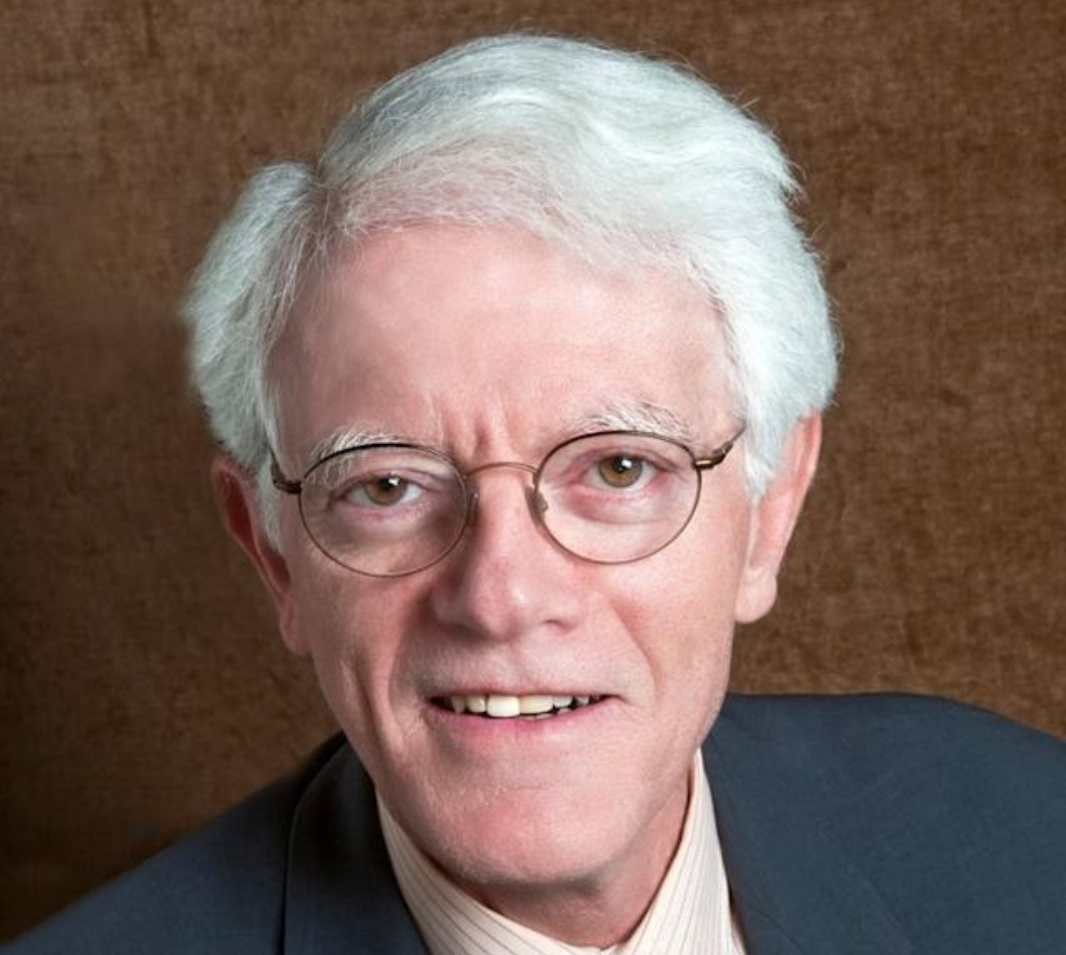
Peter Lynch
One of the most celebrated portfolio managers in investment history, running Fidelity's Magellan Fund from 1977 to 1990 and delivering a 29.2% average annual return — more than doubling the S&P 500's performance and turning a $18 million fund into $14 billion. Lynch's investment philosophy is grounded in the principle that individual investors have a genuine edge over Wall Street by observing the products, services, and businesses they interact with every day — a concept he popularized as 'invest in what you know.' He categorized stocks into six types (slow growers, stalwarts, fast growers, cyclicals, asset plays, and turnarounds) and developed a rigorous but accessible framework for evaluating each, with earnings growth trajectory and PEG ratio as core analytical tools. Author of the bestselling 'One Up on Wall Street' and 'Beating the Street,' Lynch's writing remains some of the most practical and readable guidance in fundamental stock analysis and long-term investing. His emphasis on independent thinking, business quality, and patient conviction continues to influence value and growth investors across generations.
4 videos · 45 bites

Howard Marks
Howard Marks is the co-founder and co-chairman of Oaktree Capital Management, one of the world's largest distressed debt and alternative investment firms with approximately $180 billion under management. His investment memos — written over three decades and read widely by investors including Warren Buffett — distill his philosophy on risk, market cycles, contrarianism, and the limits of forecasting into clear, accessible prose. Marks is a value and distressed debt investor at his core, but his thinking on risk is what sets him apart: he argues that superior investing is not about making the most money in good times, but about controlling risk so you survive — and profit from — the bad times. His framework rests on six core principles: risk control as job one, consistency over boom-and-bust, targeting less efficient markets, deep specialization, and no reliance on macro forecasting or market timing. A Wharton graduate who discovered finance after falling in love with accounting, Marks has been a trustee of the Metropolitan Museum of Art and the University of Pennsylvania, and remains one of the most influential voices in institutional investing.
2 videos · 36 bites
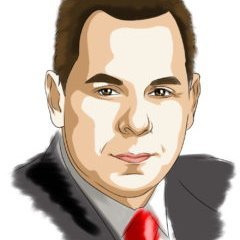
Mark Minervini
Two-time US Investing Champion who turned $28,000 into $3.5 million in just over four years using his proprietary SEPA methodology — Specific Entry Point Analysis. SEPA integrates fundamental stock screening (accelerating earnings per share, strong sales growth, expanding profit margins) with precise technical entry criteria including VCP (Volatility Contraction Pattern) setups and defined stop-loss levels. Author of 'Trade Like a Stock Market Wizard' and 'Think & Trade Like a Champion,' Minervini has coached thousands of traders through his Master Trader Program and is among the most influential voices in modern active trading. His approach bridges William O'Neill's CANSLIM framework with advanced position sizing and risk management, making it one of the most complete systems available for identifying and trading leading growth stocks. Minervini's consistent championship-level returns across multiple market cycles stand as one of the strongest real-world validations of systematic momentum and growth stock investing.
1 video · 20 bites
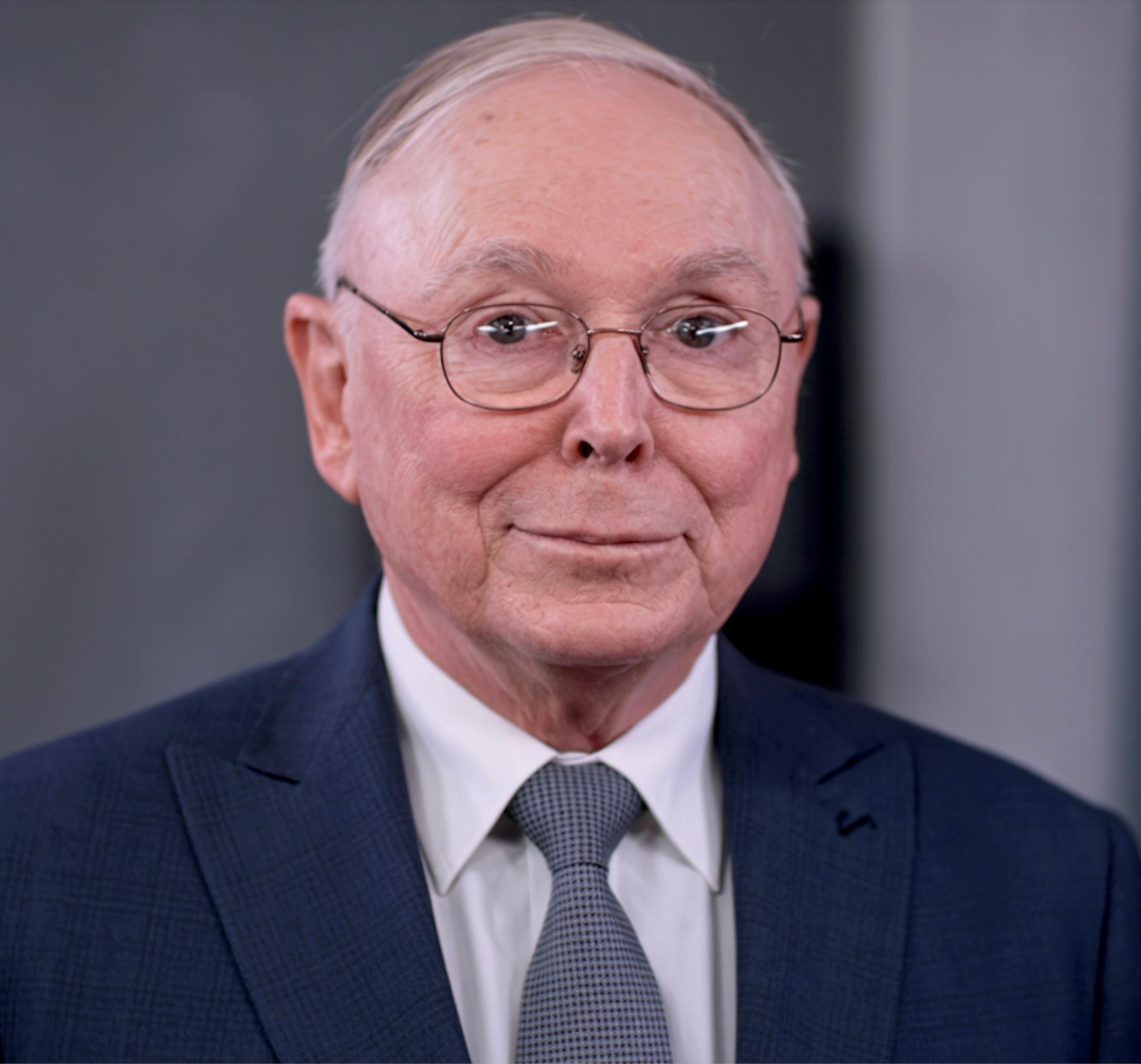
Charlie Munger
Charlie Munger was Vice Chairman of Berkshire Hathaway and Warren Buffett's longtime partner. A self-taught polymath who read voraciously across disciplines, he developed the concept of mental models — applying insights from psychology, physics, biology, and history to investing and decision-making. His unconventional thinking and blunt wit made him one of the most quoted and admired figures in the investment world. His speeches, talks, and mental model frameworks are compiled in Poor Charlie's Almanack — one of the most sought-after books in investing.
2 videos · 20 bites

Rick Rieder
BlackRock's Chief Investment Officer of Global Fixed Income, overseeing approximately $2.7 trillion in assets across bond markets, credit, and multi-asset strategies. With over three decades of institutional investment experience, Rieder synthesizes macroeconomic data, Federal Reserve policy signals, and sector-level trends into actionable asset allocation decisions at a scale few investors in the world operate at. He is a prominent voice on inflation dynamics, interest rate cycles, and the structural shifts reshaping fixed income investing — including the rise of private credit and the changing correlation between equities and bonds. Rieder has consistently taken early positions in transformational technology themes, including electric vehicles and artificial intelligence, demonstrating an ability to identify long-duration growth opportunities within a macro and fixed income framework. His perspective bridges traditional bond market analysis with broader cross-asset strategy, offering a macro lens that individual investors rarely encounter outside institutional circles.
1 video · 5 bites

François Rochon
François Rochon is the founder, president, and portfolio manager of Giverny Capital, a Montreal-based investment firm he launched in 1998. Trained as an engineer at the École Polytechnique of Montreal, he pivoted to investing by following a lifelong passion and has since built one of the most respected long-term track records in value investing — compounding capital at approximately 14.5% annually over more than 25 years, with cumulative returns exceeding 5,000%. His investment framework blends science (financial strength, disciplined valuation) with art (recognizing rare, unique business masterpieces with durable competitive moats) and judgment (assessing management quality and culture). Rochon runs a concentrated portfolio of roughly 25 companies with an average holding period of seven years — roughly 12× longer than the typical Wall Street investor. His annual shareholder letters are widely read and admired in value-investing circles for their clarity, candor about mistakes (including a yearly “mistake medals” section), and consistent articulation of a philosophy rooted in patience, humility, rationality, and independent thinking. He names Peter Lynch, Warren Buffett, Charlie Munger, and Philip Fisher among his key influences.
1 video · 18 bites
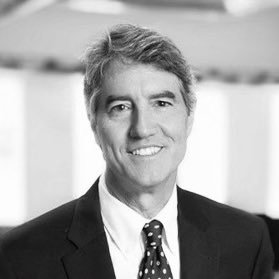
David Ryan
Three-time consecutive US Investing Championship winner (1985, 1986, 1987), posting triple-digit returns each year — performances that remain among the most remarkable in competition history. A direct protégé of William O'Neill — whose How to Make Money in Stocks introduced CANSLIM to a generation of growth traders — Ryan spent years at Investor's Business Daily deepening his mastery of the methodology, which identifies leading growth stocks through a combination of accelerating earnings per share, strong sales growth, institutional sponsorship, and breakouts from sound technical base patterns. His approach focuses on buying stocks at precisely the right stage of their advance — neither too early during base formation nor too late after an extended move — using volume confirmation and relative strength as key filters. Ryan's three consecutive titles inspired an entire generation of growth stock traders, and his story is documented in detail in Jack Schwager's Stock Market Wizards alongside some of the most successful stock traders of the era. He remains a respected authority on base pattern recognition, growth stock selection, and the mental discipline required to execute a rules-based system through all market conditions.
1 video · 26 bites
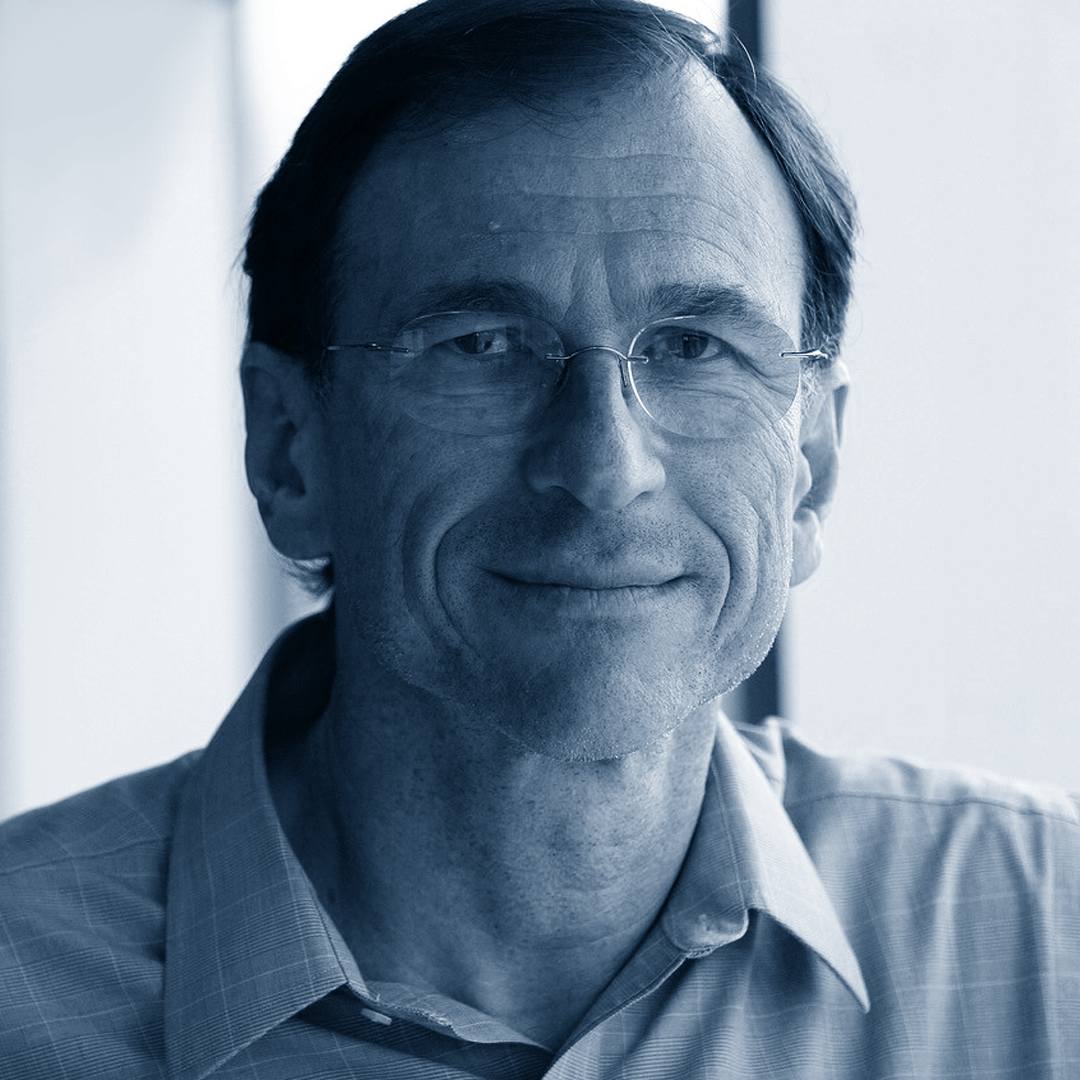
Jack Schwager
Jack Schwager is the author of the Market Wizards series, widely regarded as the most important collection of trading books ever written. Over four decades he has conducted hundreds of in-depth interviews with the world's elite traders — from Paul Tudor Jones and Bruce Kovner to anonymous retail traders with extraordinary records — distilling their methods, mindset, and habits into principles that remain relevant across all market eras. What sets Schwager's work apart is his ability to extract hidden commonalities across wildly different trading styles: whether the subject is a global macro manager overseeing billions or a technical swing trader working from charts alone, the same themes emerge — disciplined risk management, consistency of process, psychological resilience, and the relentless pursuit of a genuine edge. The Market Wizards series has sold millions of copies worldwide and remains essential reading for anyone serious about understanding how elite performance in financial markets is actually achieved — not just in theory, but in practice, by real people, across decades of market cycles.
2 videos · 47 bites
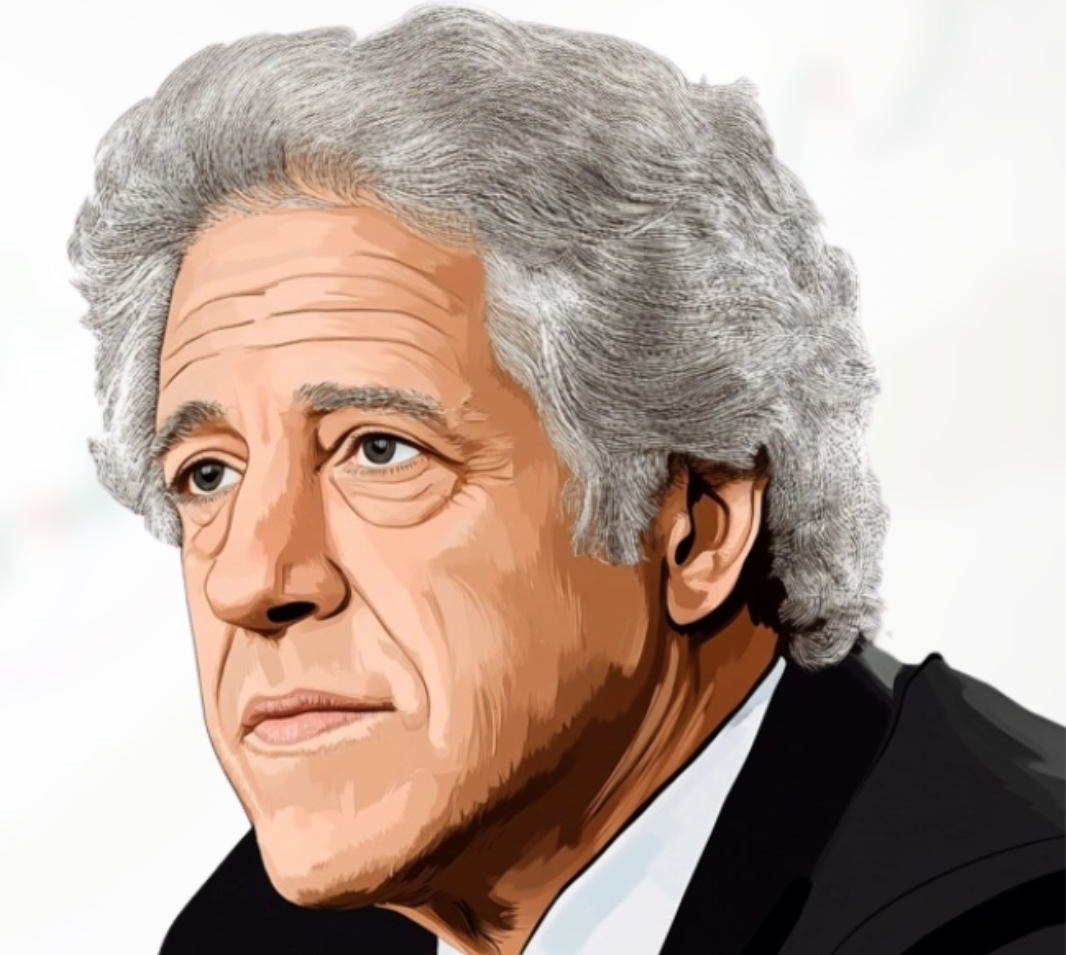
Stan Weinstein
Stan Weinstein is the creator of stage analysis, a framework that classifies stocks into four cyclical stages based on price and volume behavior relative to the 30-week moving average, introduced in his 1988 book Secrets for Profiting in Bull and Bear Markets. As publisher of the Professional Tape Reader newsletter from 1965 to 2004, Weinstein built a reputation for correctly calling every major bull and bear market cycle over four decades — a track record that made him one of the most respected market timers in history. His system is organized around a single principle: buy stocks in stage 2 uptrends, avoid or short stocks in stage 3 distribution and stage 4 downtrends, and use the 30-week moving average as the primary tool for determining stage transitions. The framework applies with equal clarity to individual stocks, sectors, and major indexes, making it one of the most versatile and complete technical systems ever developed. Weinstein's insistence on simplicity — reading pure price-and-volume action rather than chasing news, macro narratives, or earnings stories — continues to shape how generations of traders approach systematic, rules-based market analysis.
1 video · 12 bites
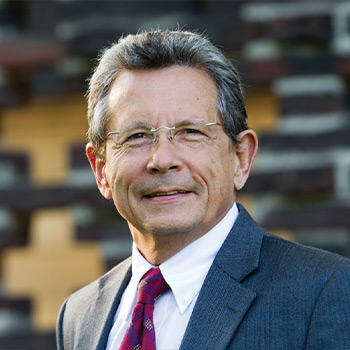
Larry Williams
Larry Williams is one of the most celebrated figures in commodity and futures trading, known for winning the 1987 Robbins World Cup Trading Championship by turning $10,000 into over $1.1 million — an 11,300% return in twelve months. His daughter Michelle later won the same competition, validating the principles he taught her. Creator of the Williams %R oscillator and the volatility breakout system, Williams has spent more than 60 years developing and refining methods that combine seasonal patterns, the Commitment of Traders report, and mechanical entry systems into a complete trading framework. Author of more than twelve books including Long-Term Secrets to Short-Term Trading, he has trained thousands of traders on the primacy of position sizing as the single most controllable variable in long-term performance — a contribution that predates and anticipates modern quantitative research on risk-adjusted returns. Williams also competed in more than 70 marathons and has been vocal about the connection between physical health and trading longevity, arguing that a longer career compounds returns in ways no individual trade ever can.
1 video · 16 bites
Ted Zhang
Ted Zhang is a growth and momentum equity trader who co-manages the Turboction portfolio at River Asset Management — a registered investment advisory firm overseeing more than $350 million — alongside childhood friend and fellow trader Connor. At 24, without a finance degree (he studied biology on a pre-med track before pivoting), Zhang co-managed roughly $25 million in client capital within the firm's higher-beta portfolio, having grown assets under management from the high single digits to that level through social media distribution and track record performance. His system integrates CANSLIM fundamental criteria with Weinstein-style stage analysis on the weekly chart, intermediate-term trend following using 21-, 50-, and 200-day EMA alignment, ATR-based extension trimming, and climax-top sell rules drawn from Minervini. Zhang discovered markets during the 2020 COVID crash through SPAC trading before a major drawdown in early 2021 forced him to rebuild from first principles on the O'Neil and Weinstein canon. He interned unpaid at TraderLion, helping build a Stan Weinstein stage analysis course, and cites Druckenmiller, O'Neil, Kullamägi, and Breitstein among his key influences. He documents his market process publicly on X (formerly Twitter).
2 videos · 71 bites