Best Trading and Investing Books
The books most frequently recommended by the world's best traders and investors — from foundational classics like Reminiscences of a Stock Operator and Market Wizards to practical trading manuals on stock selection, risk management, and trading psychology. Each entry shows which traders recommended the book and links to the exact interview moment where they explain why it shaped their approach.
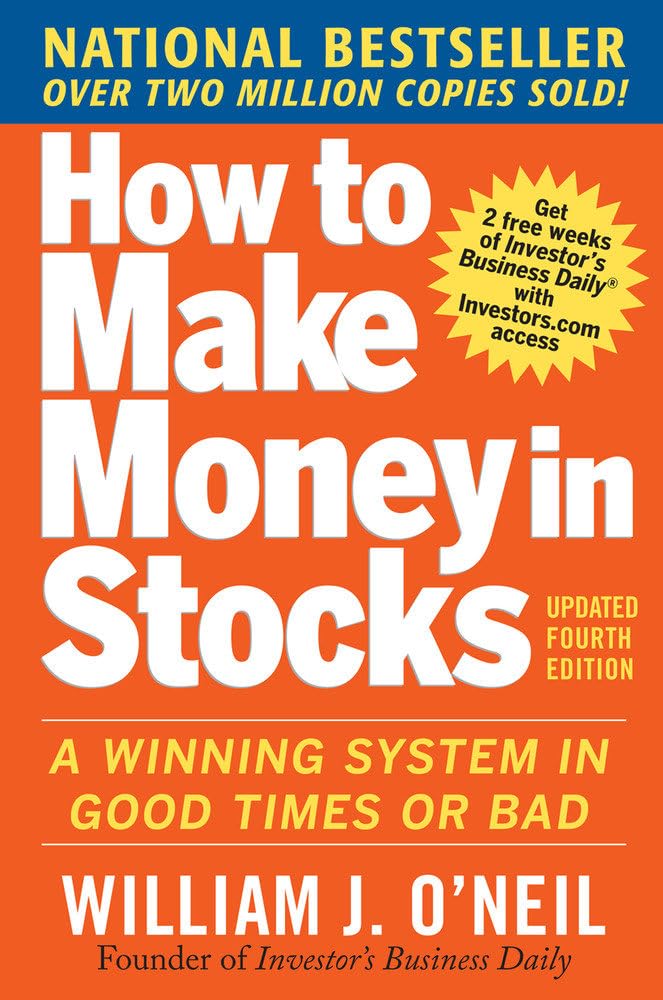
William O'Neil
The founding text of the CANSLIM system — a rule-based growth stock methodology that combines fundamental strength with precise technical entry and exit rules. O'Neil's system has produced multiple US Investing Champions and remains one of the most learnable frameworks for retail traders seeking a systematic edge.
Mentioned by
David Ryan
The Market Wizard Trading System — David Ryan
Ted Zhang
Trading $30 Million at Age 25 — Ted Zhang, Momentum Portfolio Manager
Kristjan Kullamägi
Breakouts, Home Runs & Exponential Returns · Kristjan Kullamägi
Ted Zhang
Elite Trader: Managing $25 Million at Just 25 Years Old - Ted Zhang
Ariel Hernandez
Ariel Hernandez — Trading $30,000 to OVER $10 Million in Only 5 Years!
Clement Ang
US Trading Champion: He Made 520% Competing Against the World's Best Traders — Here's How
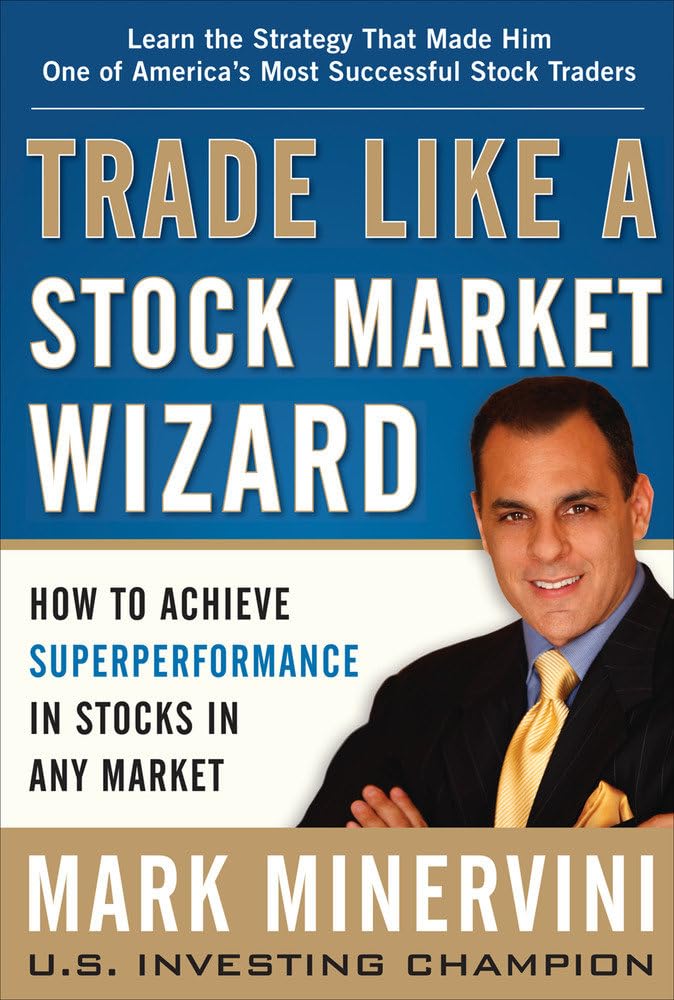
Mark Minervini
Minervini's SEPA methodology (Specific Entry Point Analysis) distills his own path to a 33,500% return and a US Investing Championship title. The book walks through the exact criteria for identifying superperformance stocks before they make their biggest moves, with heavy emphasis on volatility contraction patterns and risk-first position management.
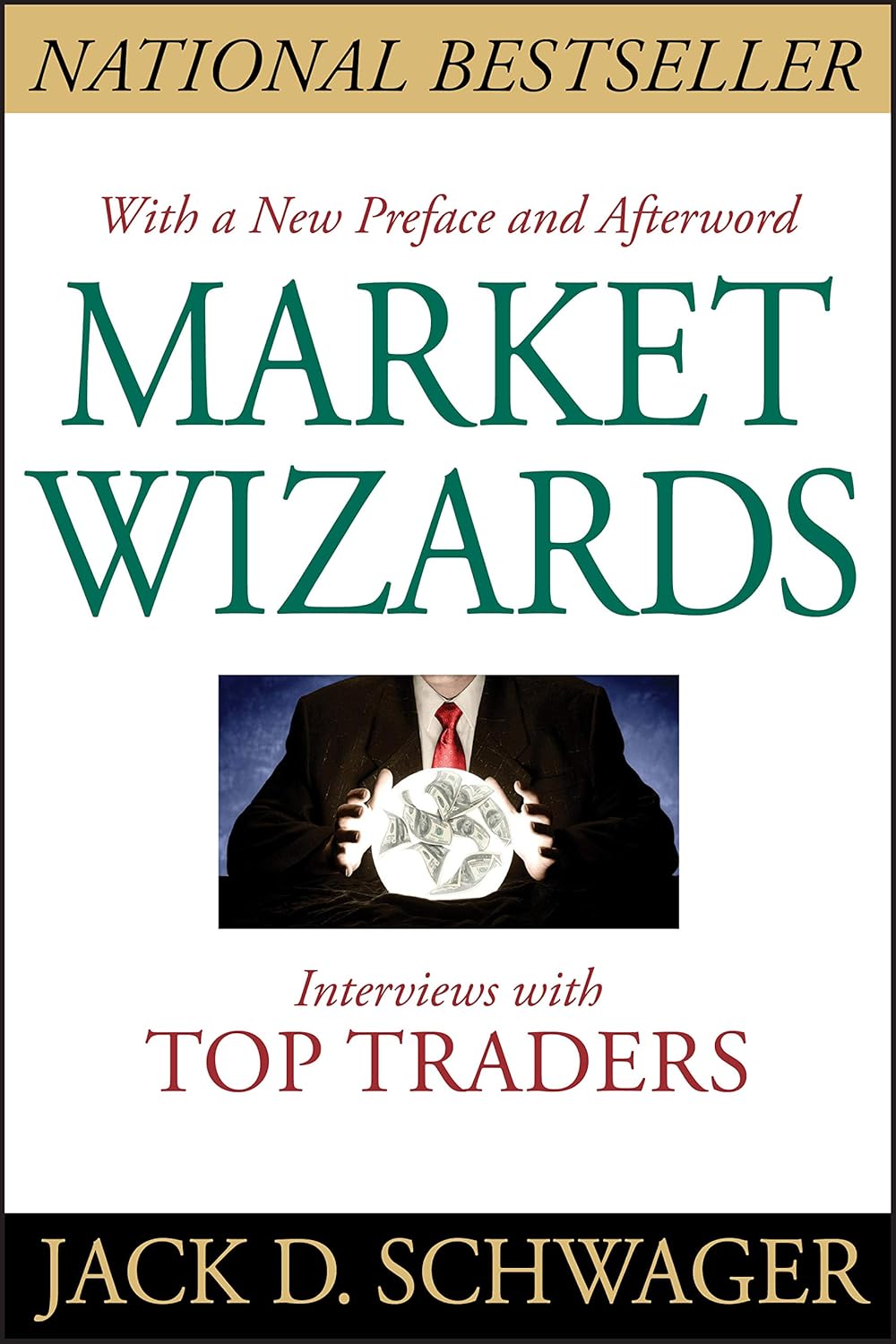
Jack D. Schwager
The first in Schwager's legendary series of interviews with the world's best traders. Each chapter is a candid conversation with a market wizard — Druckenmiller, Kovner, Marcus, and others — revealing how they think, how they manage risk, and how they recovered from early blowups to build extraordinary track records. The original book that defined the interview format for an entire generation of traders.Browse the full series →
Mentioned by
David Ryan
The Market Wizard Trading System — David Ryan
Ted Zhang
Trading $30 Million at Age 25 — Ted Zhang, Momentum Portfolio Manager
Tito Adhikary
2,115% Return: How Harvard Cancer Scientist Tito Adhikary Beat Wall Street
Jack Schwager
Jack Schwager — Market Wizards: How to Become a Successful Trader
Ted Zhang
Elite Trader: Managing $25 Million at Just 25 Years Old - Ted Zhang
Ariel Hernandez
Ariel Hernandez — Trading $30,000 to OVER $10 Million in Only 5 Years!
Clement Ang
US Trading Champion: He Made 520% Competing Against the World's Best Traders — Here's How
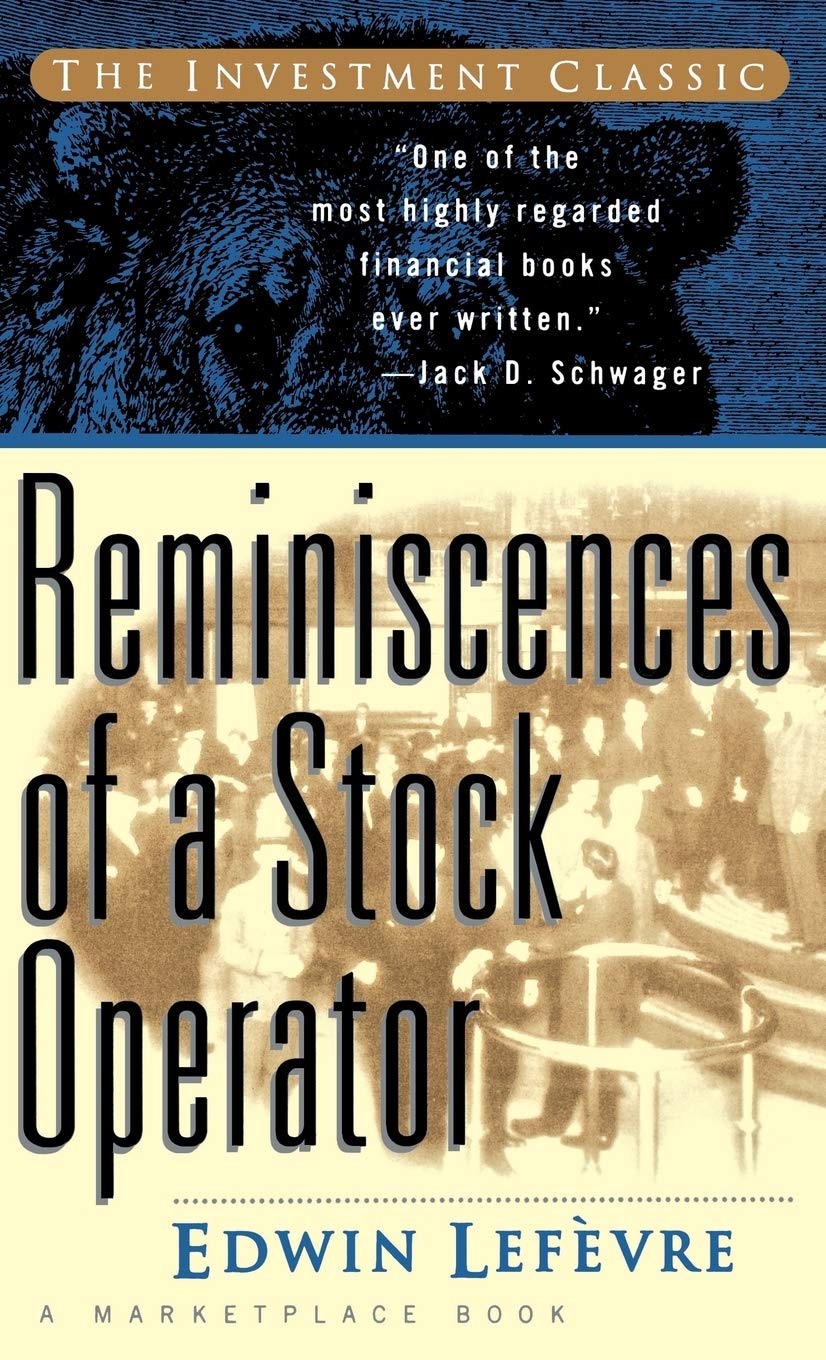
Edwin Lefèvre
The undisputed classic of trading literature. Through the fictionalized story of Jesse Livermore, Lefèvre captures the timeless psychology of speculation — the euphoria, the ruin, the comeback, and the self-deception that repeats across every market cycle. Cited more often by market wizards than any other book, and for good reason.
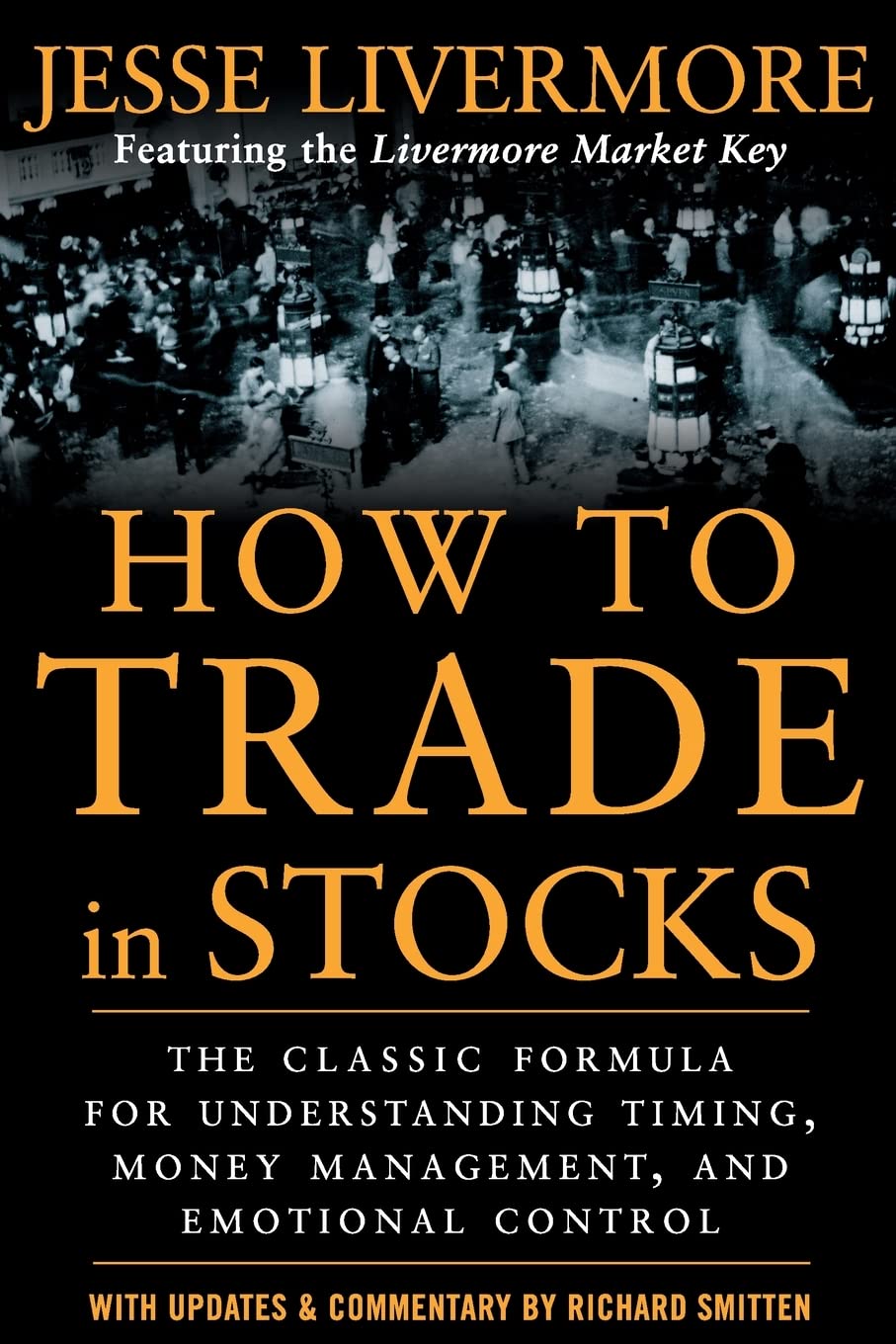
Jesse Livermore
Livermore's own trading manual, written late in his career after decades of making and losing some of the largest fortunes of the early 20th century. Covers his pivot-point system, his rules for pyramiding into winning positions, and his hard-won wisdom on why the money is never made in the buying and selling — it's made in the waiting.
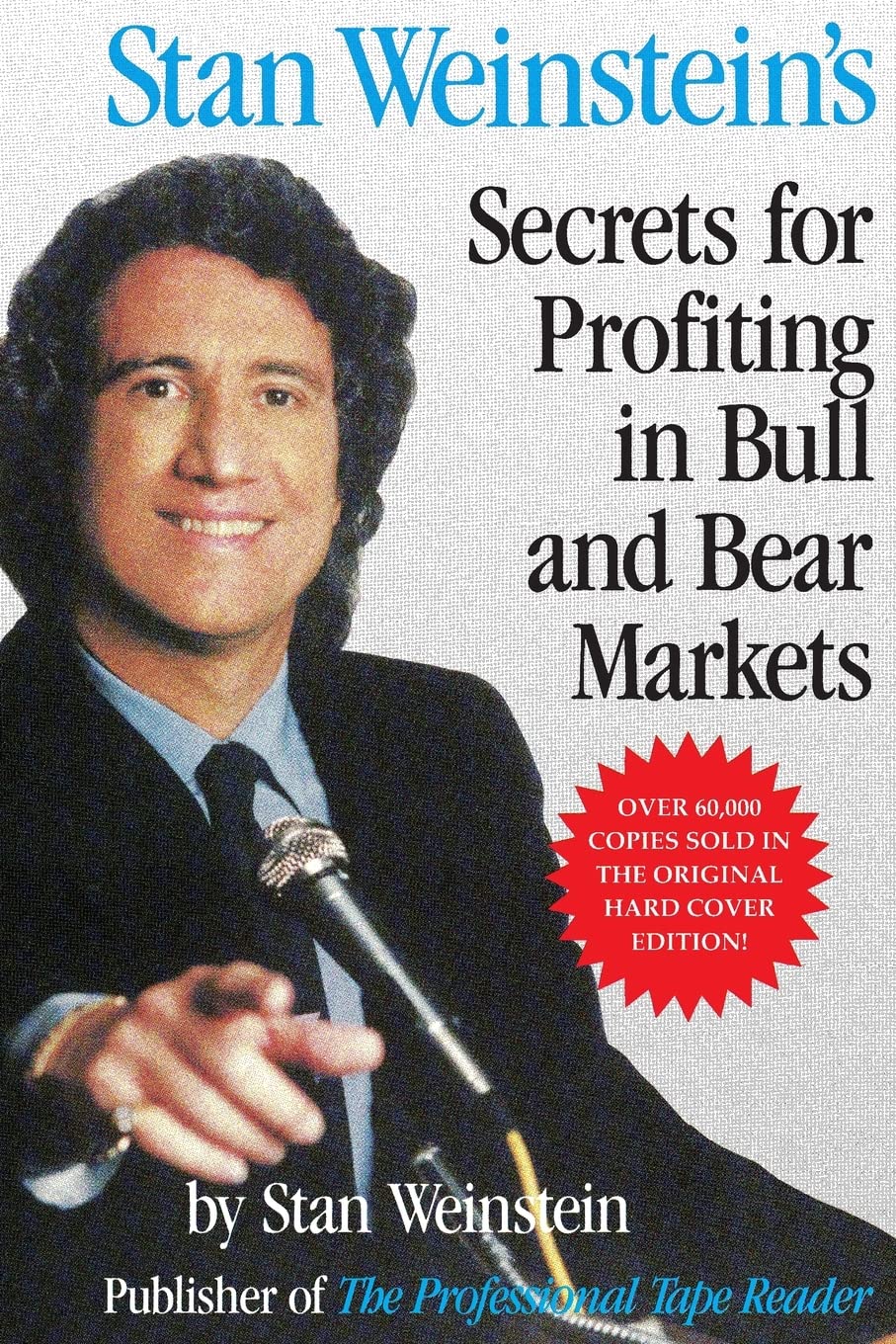
Stan Weinstein
Weinstein's stage analysis framework divides every stock's lifecycle into four clear phases — basing, advancing, topping, and declining — giving traders a visual language for determining when to enter, when to hold, and when to stand aside. A foundational text for traders who want to align their positions with the weight of institutional money flow rather than fight it.
Howard Marks
Marks distills decades of navigating credit cycles at Oaktree Capital into a clear framework for recognizing where we are in the market cycle and adjusting positioning accordingly. Not about predicting the timing — about calibrating risk exposure to the prevailing level of opportunity. A masterclass in thinking probabilistically about markets.
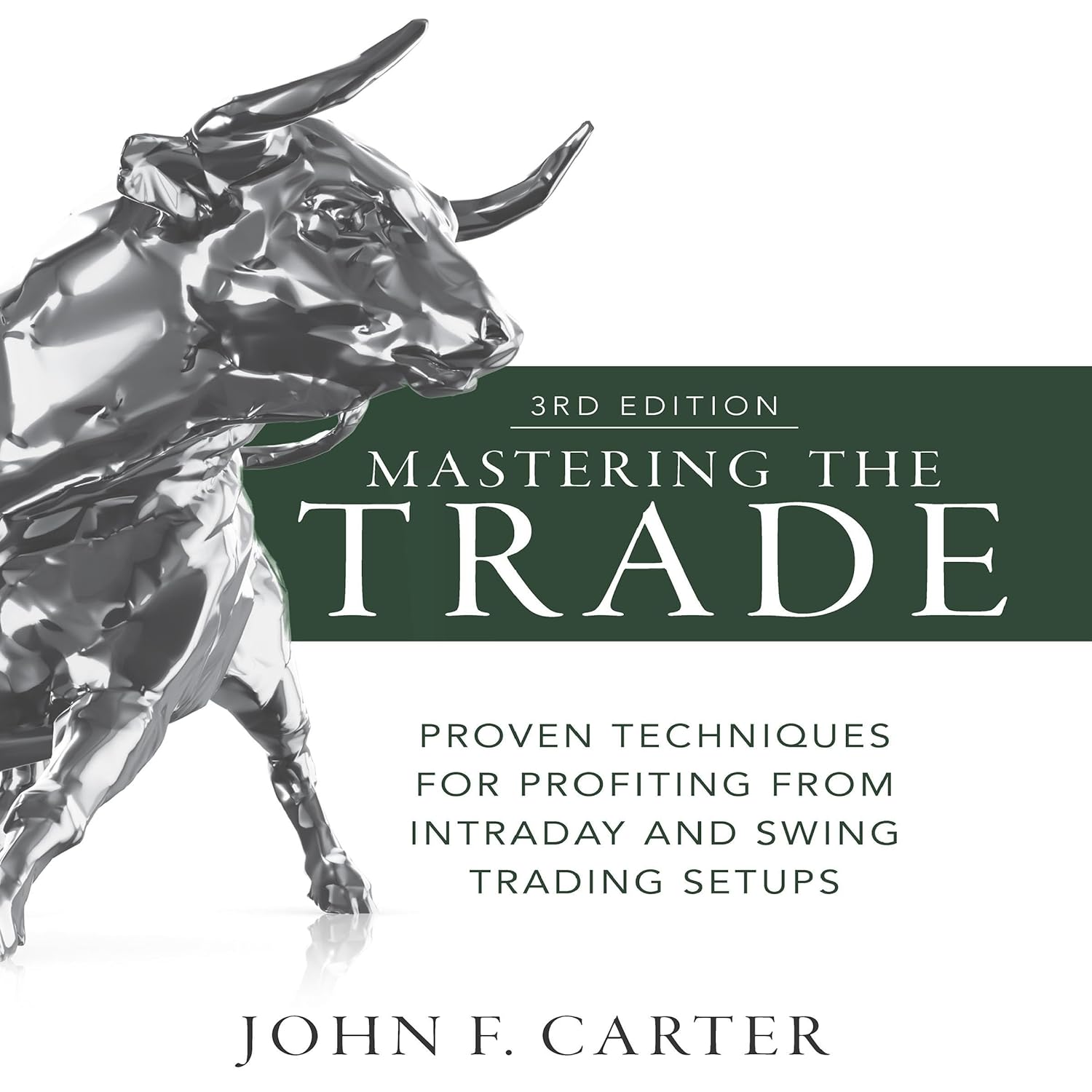
John F. Carter
Carter's practical guide to intraday and swing trading covers the full spectrum — from entry setups and option strategies to the psychological traps that derail real-money traders. Widely recommended by active traders for its honest treatment of position sizing, risk management, and the mental game required to execute consistently.
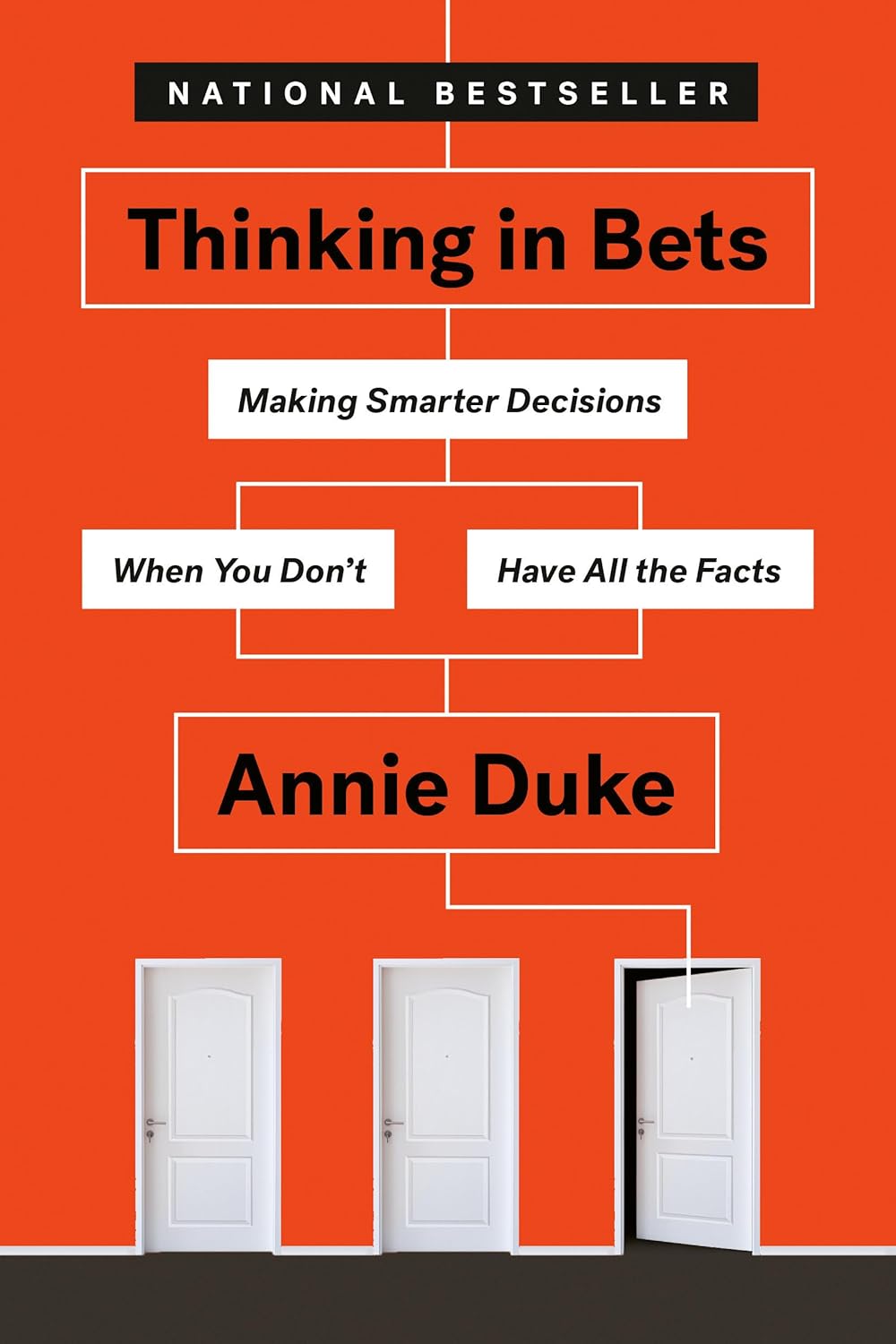
Annie Duke
Duke, a former professional poker champion, reframes decision-making under uncertainty in a way that resonates deeply with traders. The core idea: every decision is a bet on a future outcome, and the quality of a decision is independent of its result. Essential reading for traders who want to separate process from outcome and stop judging themselves by their last trade.
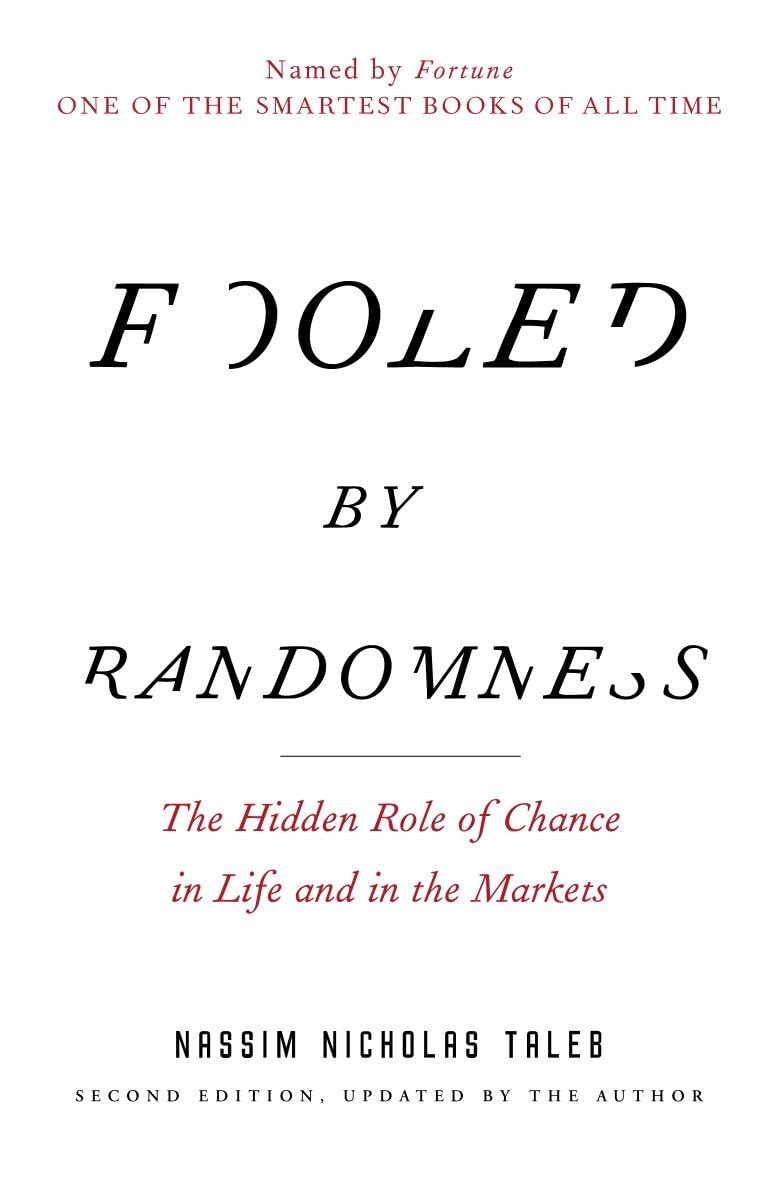
Nassim Nicholas Taleb
Taleb's provocative exploration of how humans systematically underestimate the role of luck in success — particularly in markets, where randomness can make a coin-flipper look like a genius for years before the inevitable reversal. A necessary corrective for anyone who has ever been tempted to confuse a bull market with a high IQ.
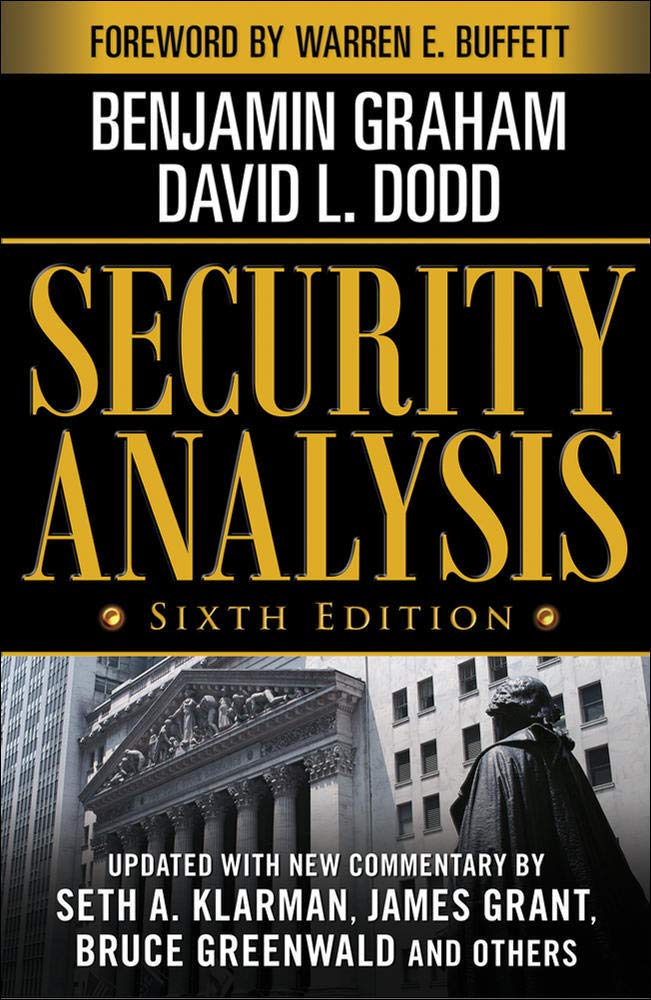
Benjamin Graham & David Dodd
The book that created the profession of security analysis. Graham and Dodd's 1934 framework for valuing businesses based on assets, earnings, and a margin of safety shaped every major value investor who followed — including Warren Buffett, who calls it one of the most important books ever written on investing.
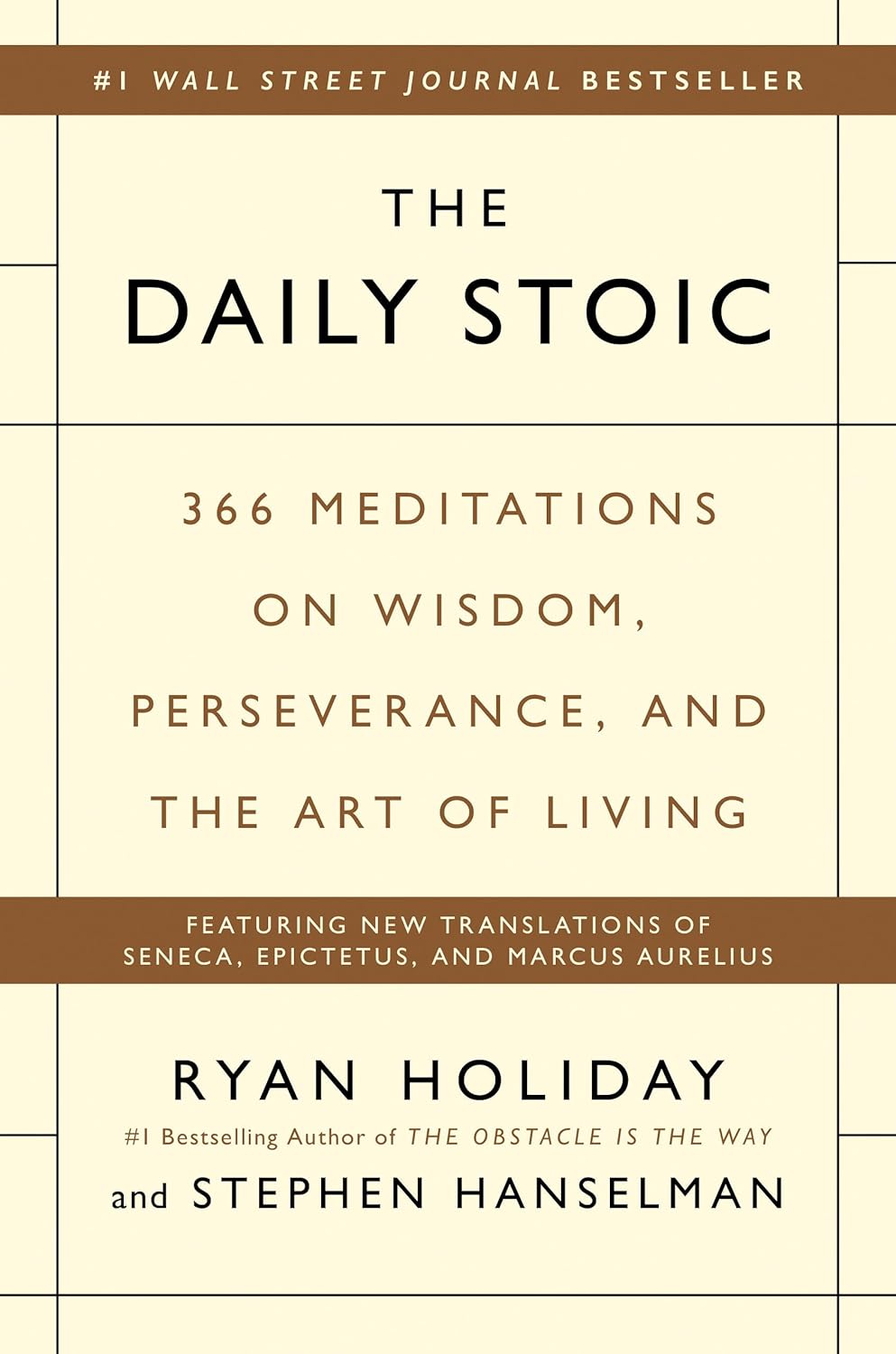
Ryan Holiday
366 daily meditations on Stoic philosophy, drawn from Marcus Aurelius, Seneca, and Epictetus, with modern commentary. Traders find it resonant because Stoicism trains the exact mental muscles that trading demands: separating what you control from what you don't, managing emotional reactions to outcomes, and maintaining discipline through adversity.
James Clear
Clear's framework for building small, compounding improvements applies with unusual precision to trading. The book's central insight — that systems beat goals and identity-based habits beat willpower — maps directly onto the process-over-outcome discipline that separates consistent traders from gamblers.
Robert Greene
Greene examines the path to mastery through the lives of history's greatest practitioners — from Da Vinci to Darwin — and distills the common phases: apprenticeship, creative-active, and mastery. For traders, the book is a reminder that elite performance is not a function of innate talent but of deliberate practice, deep immersion, and the willingness to spend years in the learning phase before expecting consistent returns.
Mark Boucher
Boucher integrates macro liquidity analysis, technical timing, and risk management into a comprehensive framework for navigating across asset classes. Written by a practitioner who managed money through multiple cycles, the book is valued for its practical synthesis of top-down macro reasoning with bottom-up entry discipline.
Jason Williams
A quantitative approach to understanding trader personality and its impact on performance. Williams uses psychometric profiling to show that the optimal trading strategy is the one that fits your psychological makeup — not the one with the highest hypothetical returns. If you've ever fought your own impulses while managing a position, this book explains why.
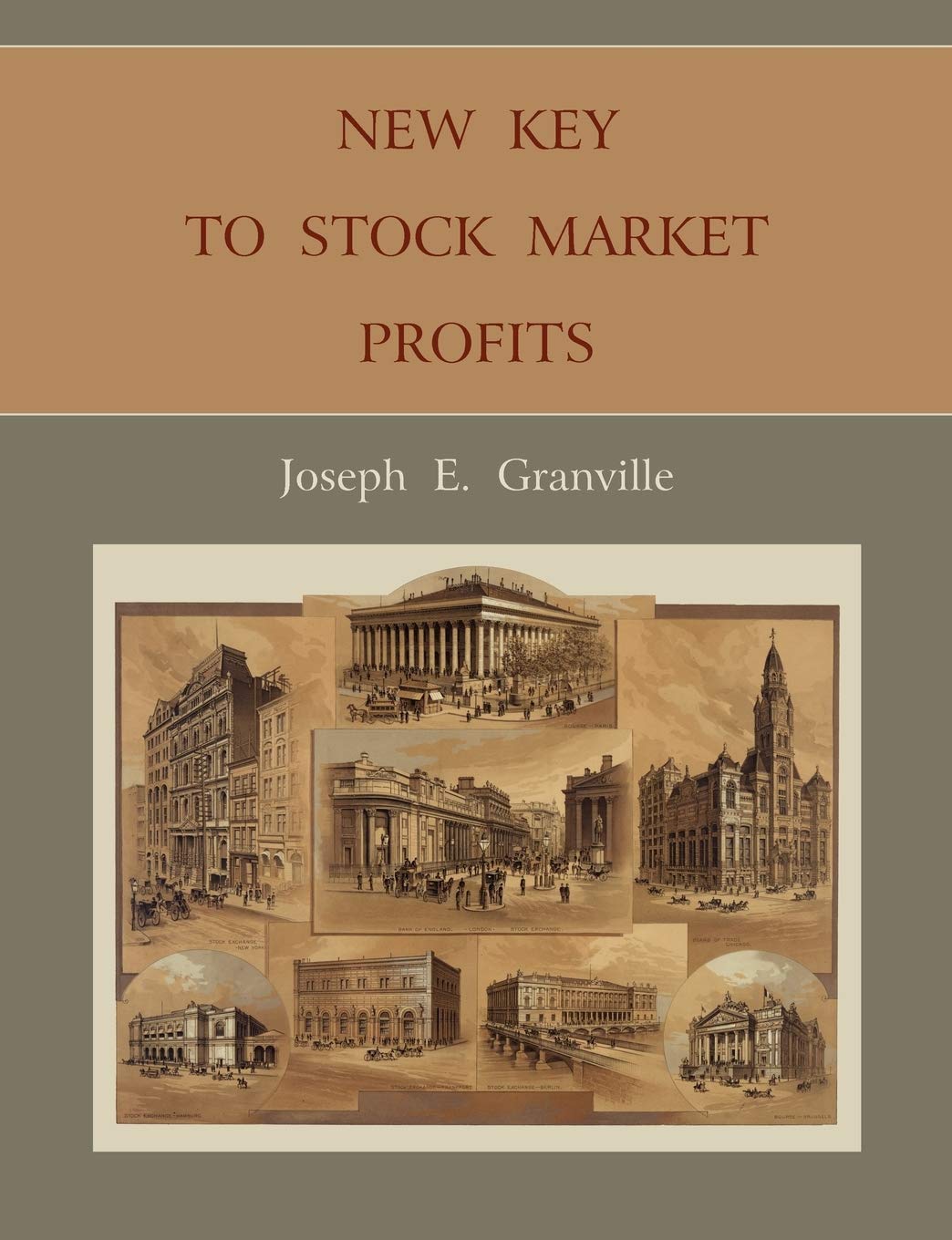
Joseph E. Granville
Granville's on-balance volume (OBV) concept remains one of the most enduring contributions to technical analysis — the idea that volume precedes price and that divergences between the two are among the most reliable signals available. This book introduces the framework and its application to market timing.
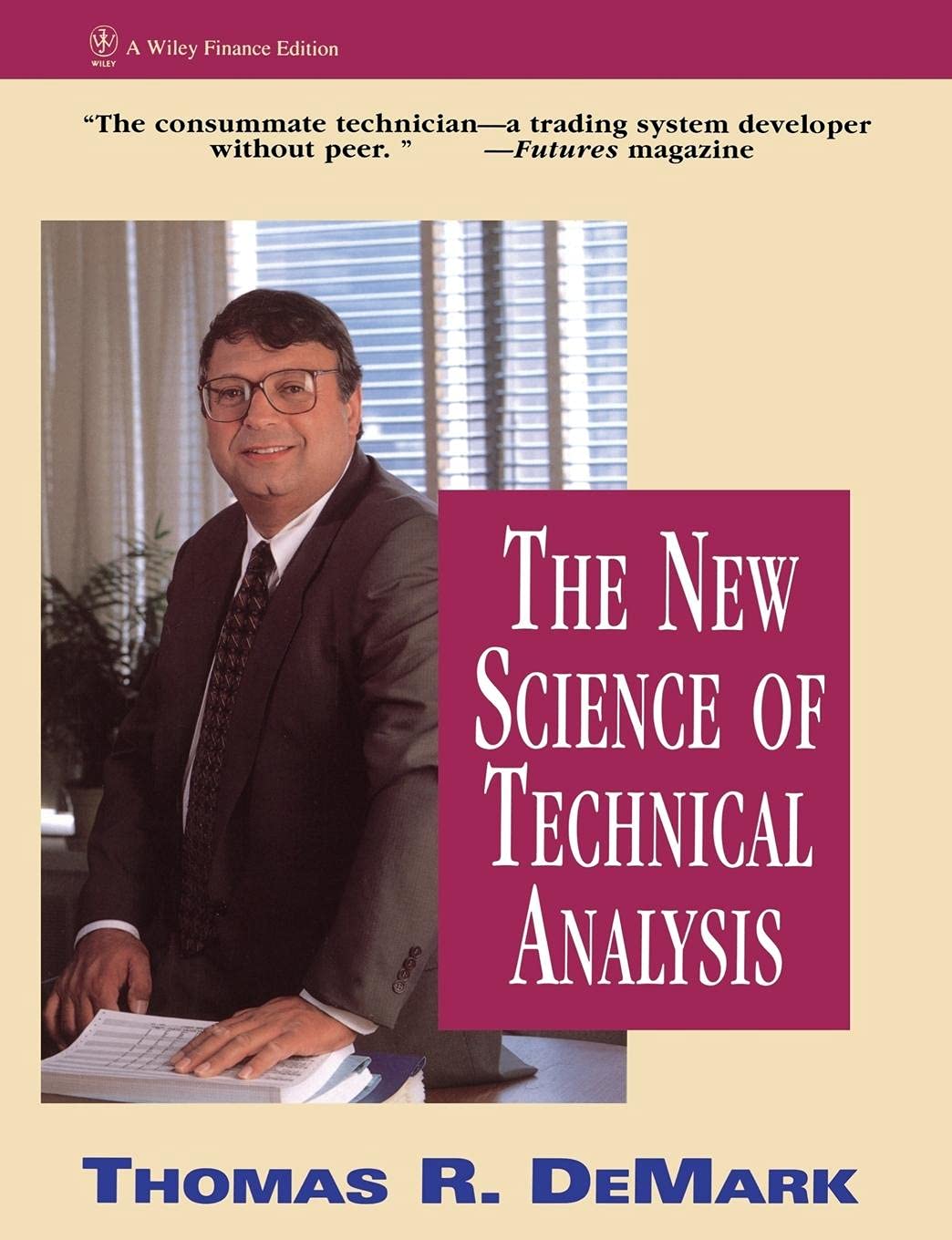
Thomas R. DeMark
DeMark's approach to technical analysis is distinctive for its emphasis on sequential counting methods and exhaustion points rather than conventional momentum indicators. His TD Sequential indicator, detailed here, is widely used by institutional traders to identify potential turning points when a trend has mathematically exhausted itself.
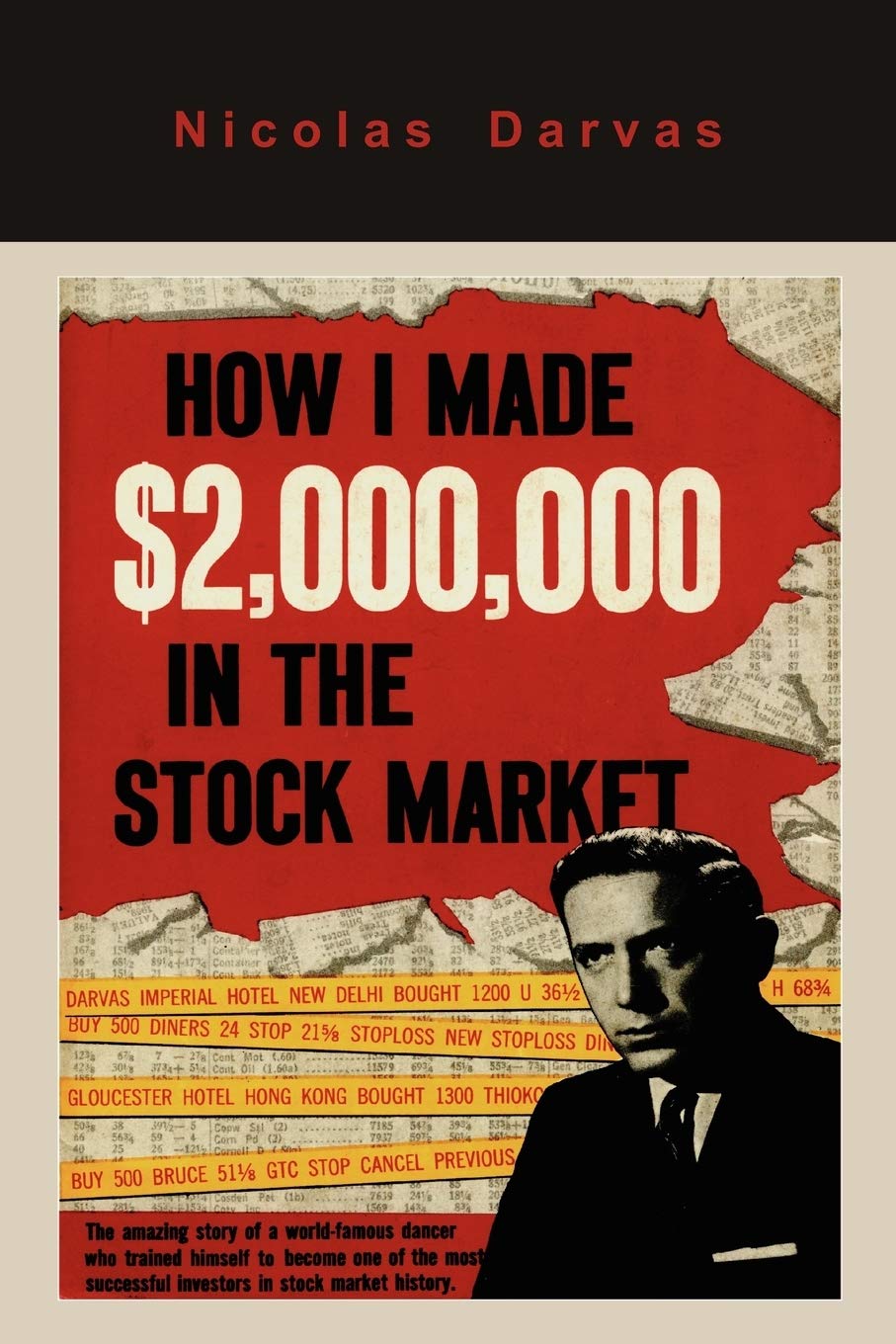
Nicolas Darvas
Darvas, a professional dancer traveling the world, developed a unique 'box system' for identifying momentum stocks using nothing more than weekly price data from newspapers. His method — buying stocks breaking out of defined price boxes and trailing stops up with each new box — generated extraordinary returns while enforcing the discipline of distance from the screen. A classic case study in systematic trend following, told as a first-person narrative that remains remarkably relevant to momentum and breakout traders.
Robert Greene
Greene's masterwork on power dynamics, drawn from 3,000 years of history, from Sun Tzu to Kissinger. Ted Zhang finds it relevant to trading not as a manipulation manual but as a lens for understanding competitive dynamics — markets are player-versus-player environments, and the laws that govern human behavior in competitive settings apply with unusual precision to the battle between buyers and sellers.
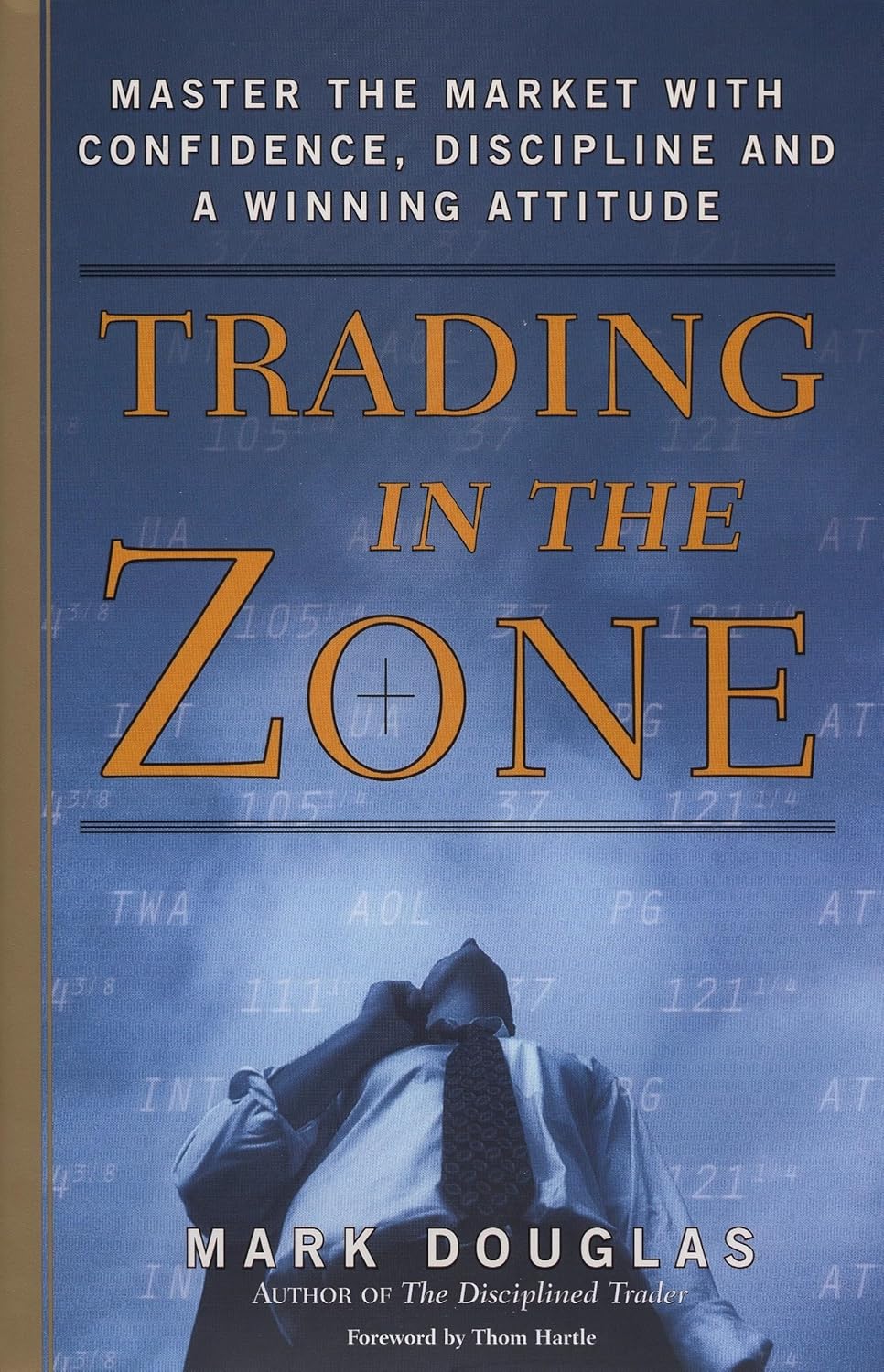
Mark Douglas
Mark Douglas's seminal work on trading psychology argues that the key to consistent profitability is not finding a better strategy — it's learning to think in probabilities. He explains why traders sabotage themselves after wins, how fear and euphoria distort decision-making, and why the mental discipline to accept risk without emotional attachment is the true separating factor between amateurs and professionals.
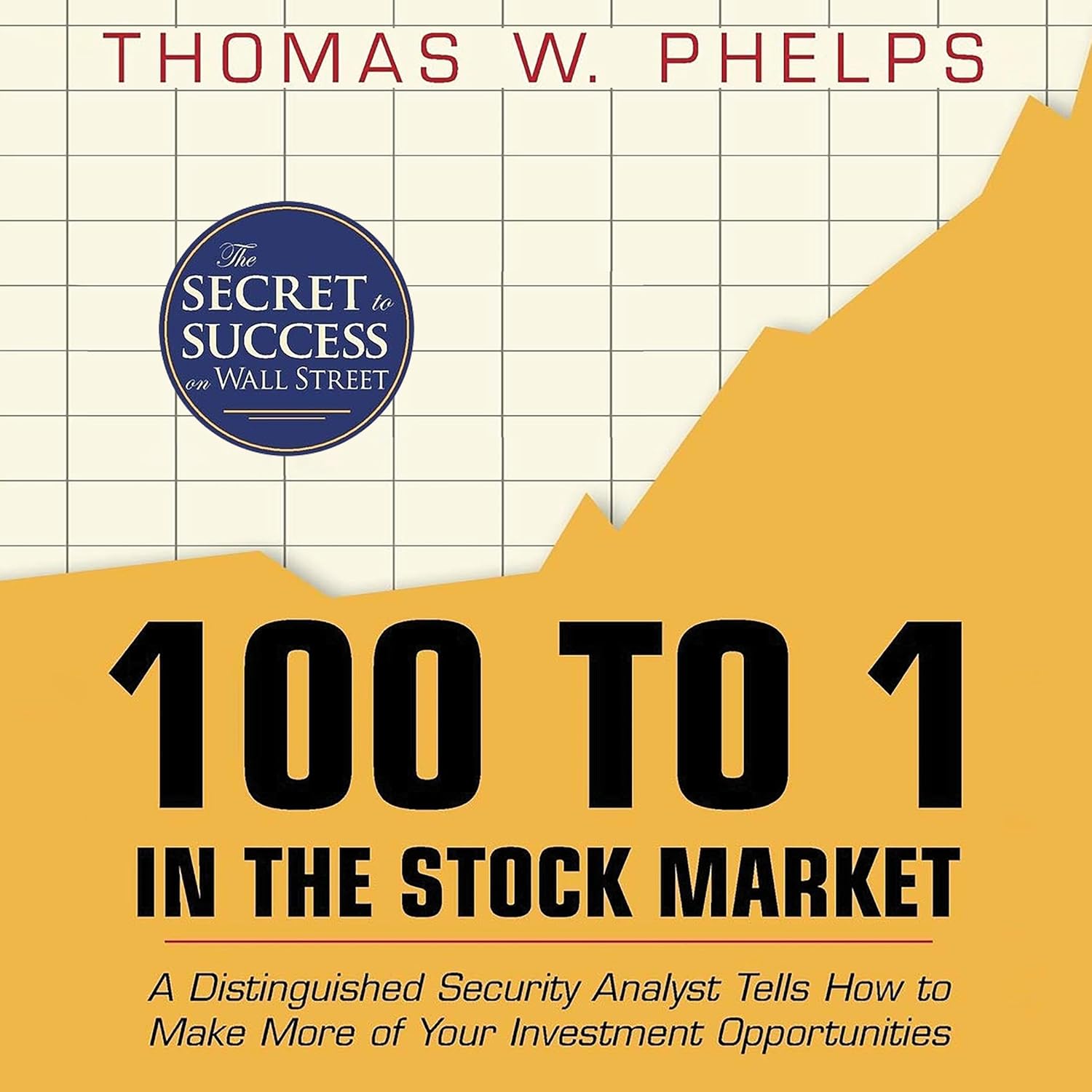
Thomas Phelps
Phelps, a Boston investment manager writing in 1972, documents public companies that returned 00 for every invested — and distills the common characteristics. The central thesis: buying great businesses that can compound at high rates for long periods, then doing nothing, is the single most powerful force in investing. Chuck Akre calls it the most influential book on his investment framework.
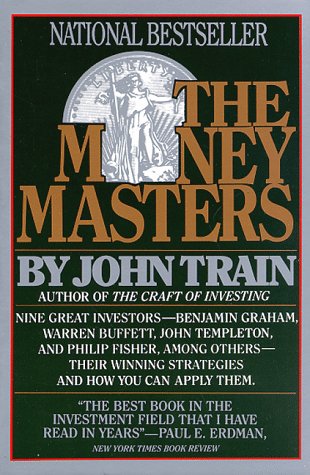
John Train
Train profiles some of the greatest investors of the post-war era — Warren Buffett, Philip Fisher, Benjamin Graham, T. Rowe Price — and extracts the common principles behind their extraordinary records. The book is notable for going beyond biography to show the actual analytical frameworks each investor uses, making it a foundational text for anyone studying how elite investors actually think.
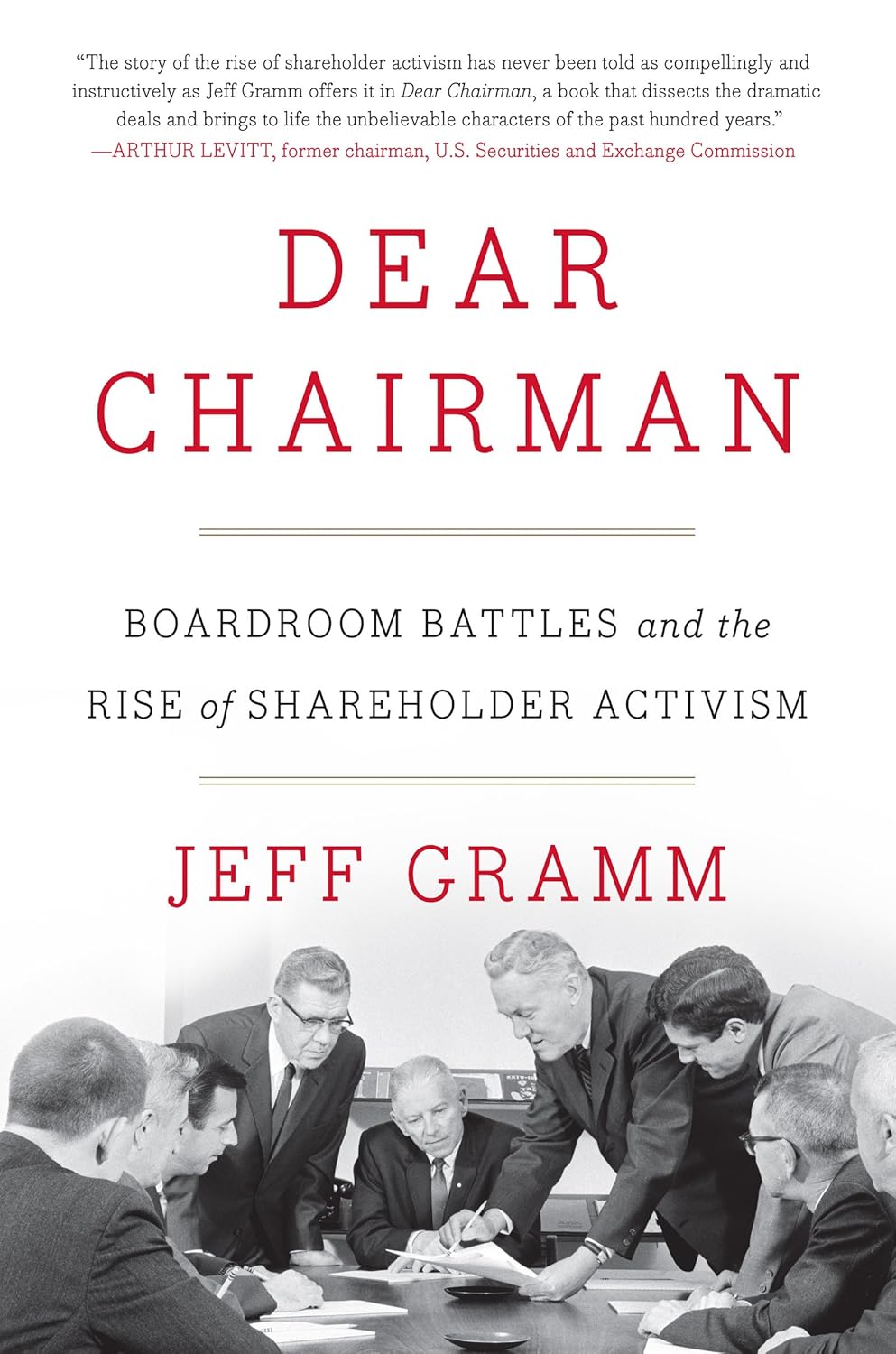
Jeff Gramm
Gramm examines the history and power of activist shareholder letters — from Benjamin Graham to Carl Icahn to modern hedge fund managers — showing how engaged shareholders have reshaped corporate behavior through direct communication with boards and management. A unique study of the intersection between shareholder rights, corporate governance, and investment returns. Chuck Akre recommends it for understanding the reinvestment leg of his three-legged stool.
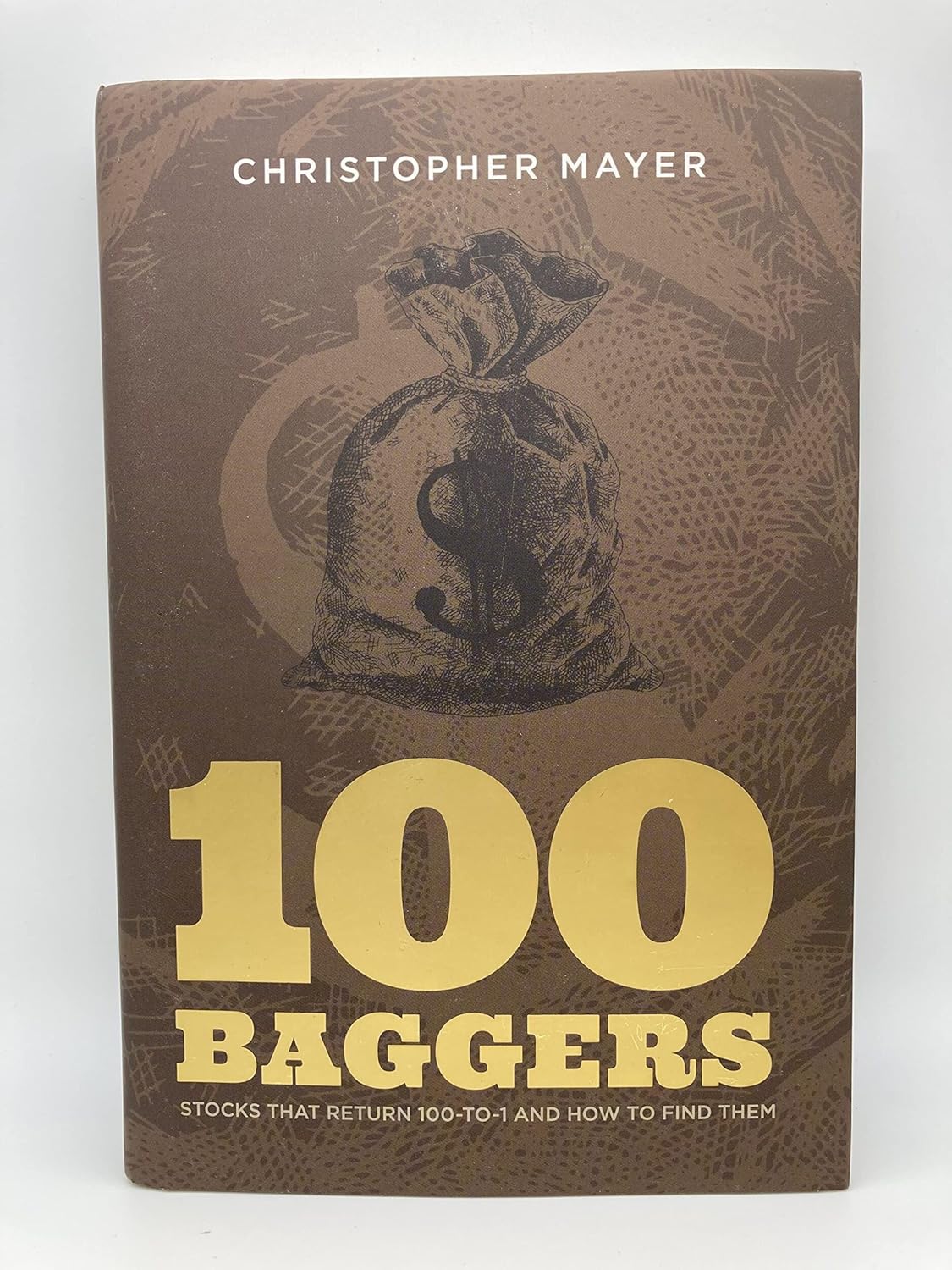
Chris Mayer
Mayer builds on Thomas Phelps' foundational work to study stocks that returned 100-to-1 in the modern era, identifying the shared characteristics — high returns on capital, long runways for reinvestment, owner-operators with significant skin in the game, and the discipline to hold through volatility. A contemporary application of the compounding-first philosophy that drives Chuck Akre's investment framework.
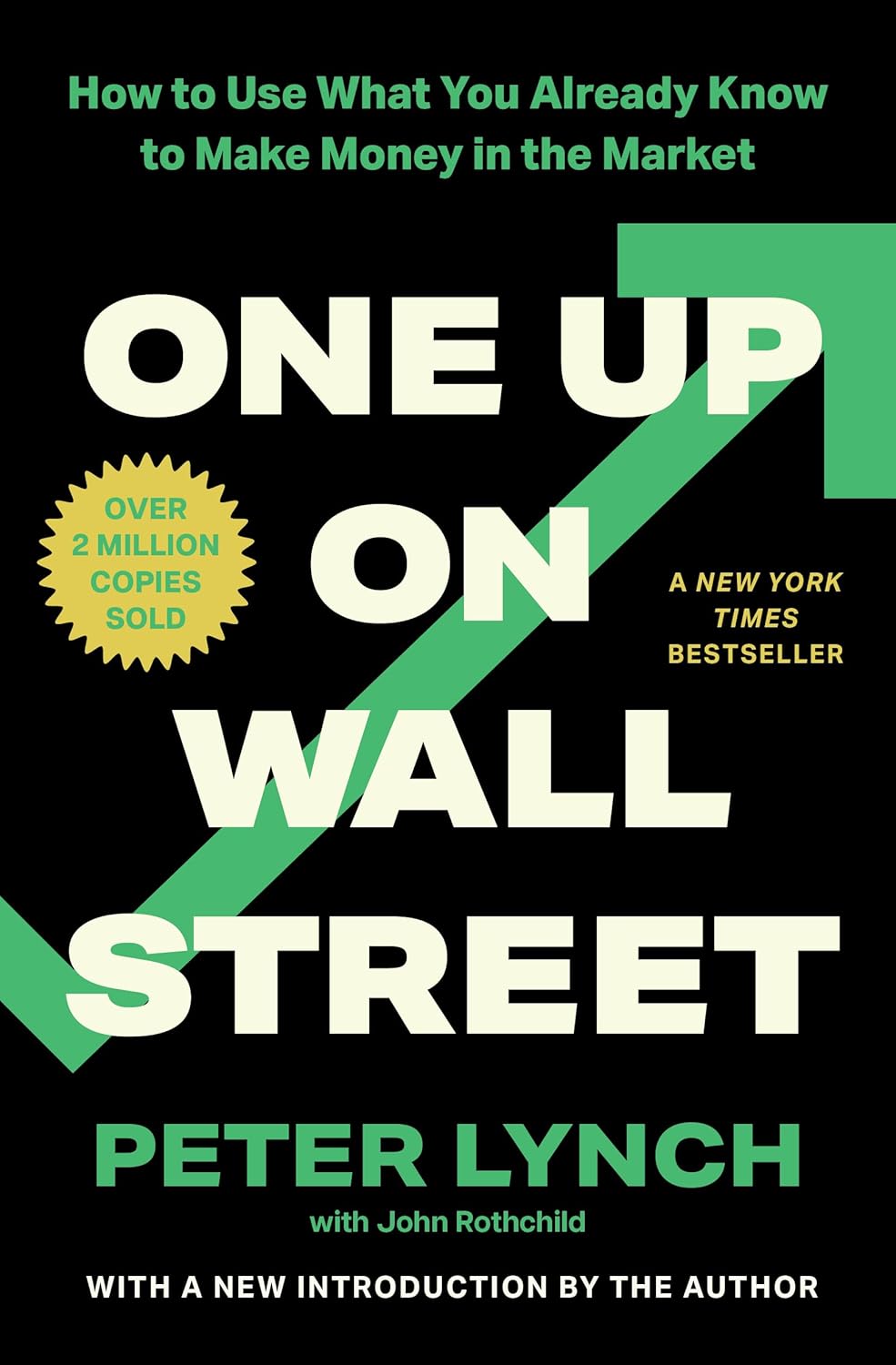
Peter Lynch
Peter Lynch, the legendary portfolio manager who delivered 29.2% annual returns at Fidelity’s Magellan Fund, distills his common-sense approach into a guide for individual investors. The central premise: ordinary people can outperform Wall Street professionals by observing the businesses and products around them before the analysts catch on. Lynch introduces his six categories of stocks — slow growers, stalwarts, fast growers, cyclicals, turnarounds, and asset plays — along with practical frameworks for evaluating each. Widely cited as one of the most accessible and influential investing books ever written.
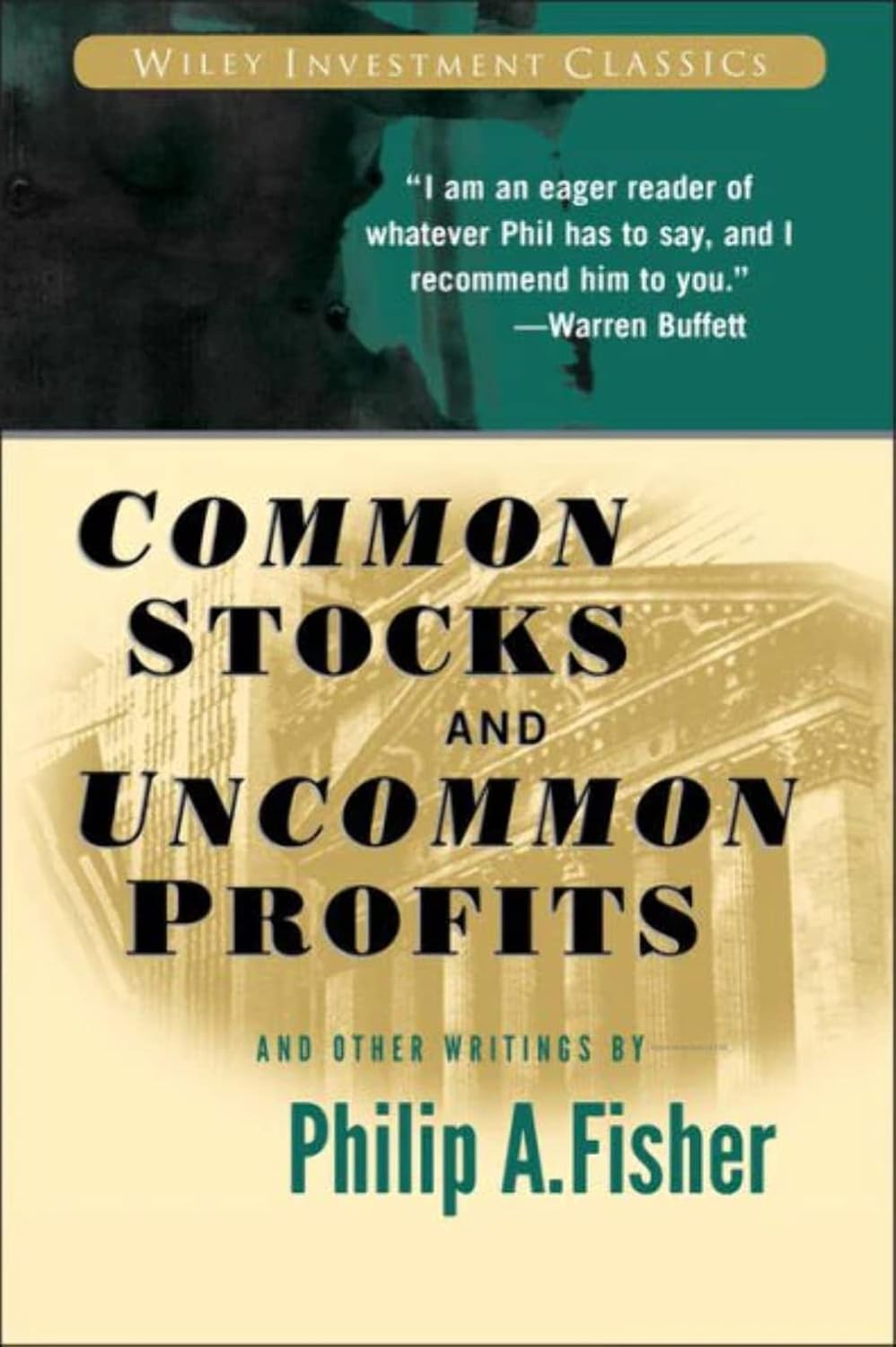
Philip Fisher
Philip Fisher’s landmark 1958 work introduced a qualitative dimension to investment analysis that was revolutionary for its time — emphasizing management assessment, competitive advantage, and deep business understanding over purely quantitative metrics. His fifteen-point checklist for evaluating a company remains one of the most rigorous frameworks in fundamental analysis. Fisher coined the concept of “scuttlebutt” — gathering intelligence from competitors, suppliers, and customers to form a mosaic of a company’s true prospects. The book is widely considered the foundation of growth-at-a-reasonable-price investing and a direct influence on Warren Buffett, who has said his approach is “85% Graham and 15% Fisher.”
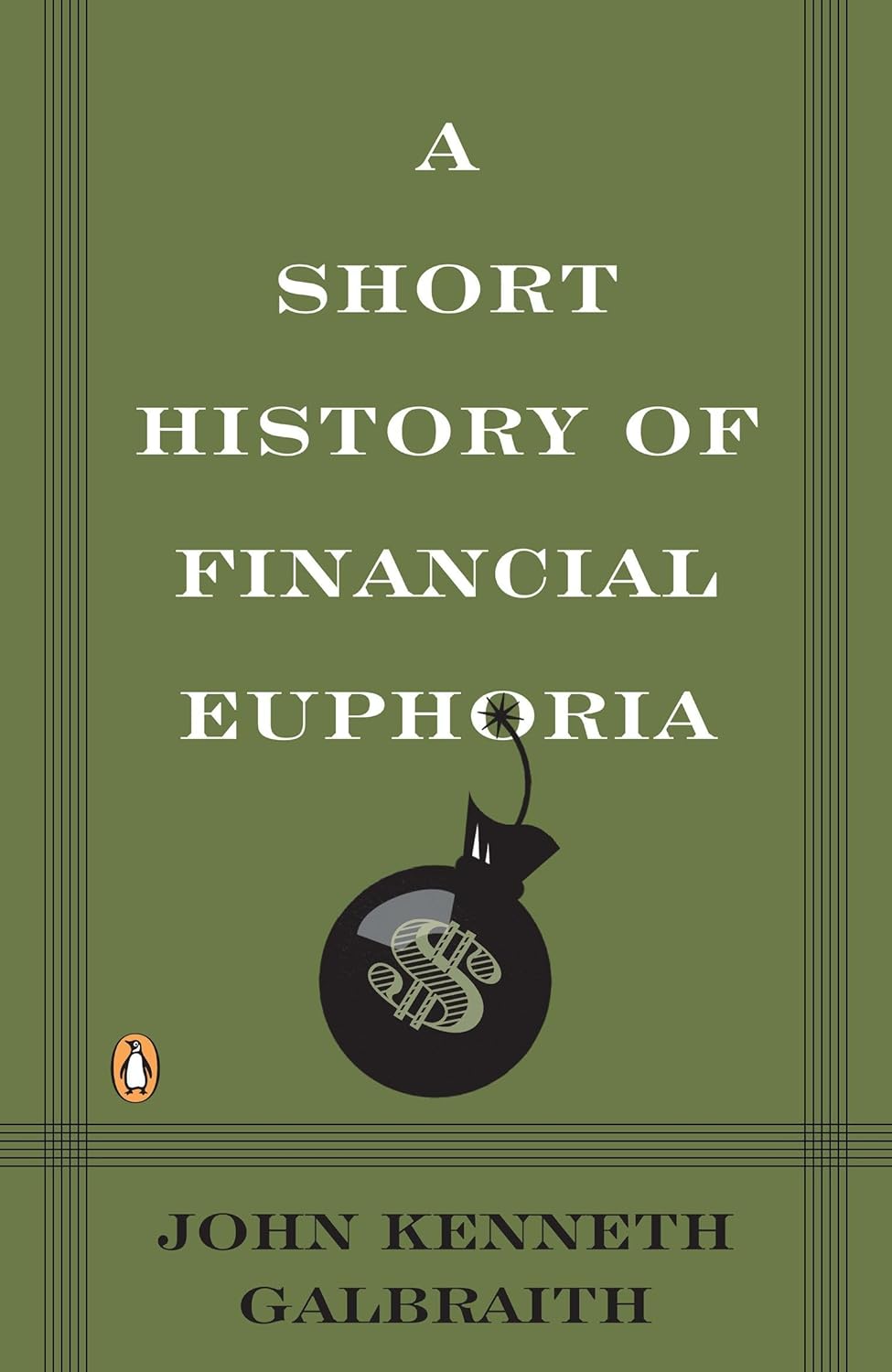
John Kenneth Galbraith
Galbraith traces the recurring pattern of financial manias from tulip bulbs to modern bubbles, showing that speculative euphoria follows a remarkably consistent script across centuries. Thin, witty, and written by one of the sharpest public intellectuals of the 20th century—a book Howard Marks recommends as essential reading for any investor trying to understand why bubbles keep happening.
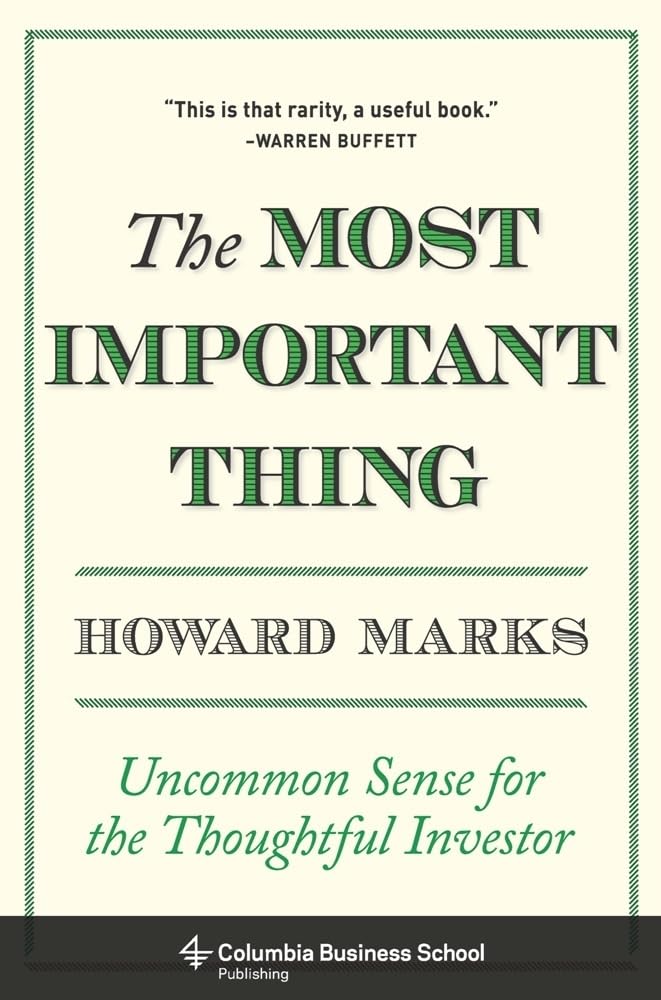
Howard Marks
Distills the core investment philosophy that has guided Oaktree Capital for decades. Marks explains the importance of second-level thinking, the nature of risk, and why understanding market cycles matters more than forecasting. Each chapter unpacks one "most important thing"—from recognizing that price is different from value to knowing what you don't know—delivering a framework that is as much about clear thinking as it is about investing.
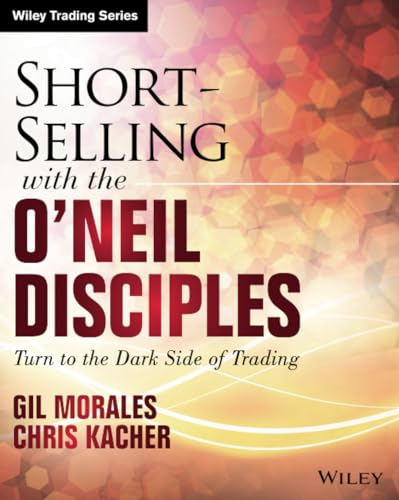
Gil Morales & Chris Kacher
Morales and Kacher, both former O'Neil protégés, adapt the CANSLIM framework to the short side. The book sets out their six rules for short selling — shorting into rallies, downside breakouts, gap-downs, and cover rules — with case studies and a model book of failed chart patterns.
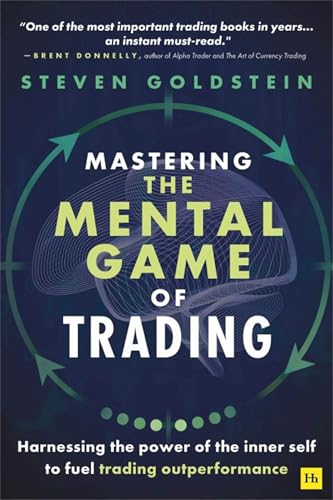
Steven Goldstein
Steven Goldstein, a former trader turned performance coach, maps the inner mechanics of trading decisions. His Performance Process Cycle explains how beliefs, emotions, and risk tolerance shape execution, and offers a structured method for identifying and correcting behavioral leakages.