Stan Druckenmiller — Inside the Mind of a Legendary Investor (NBIM)
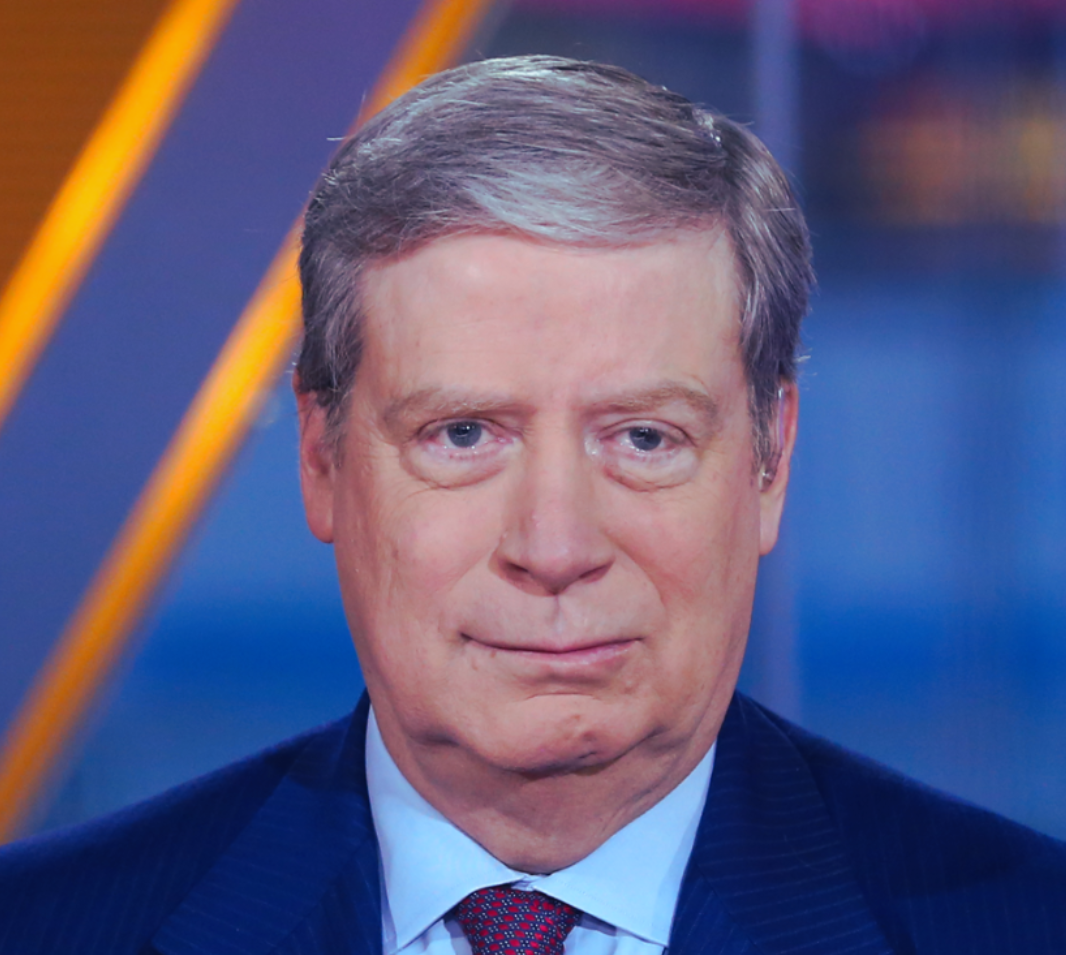
Interview by Nicolai Tangen
In Good Company is the podcast of Norges Bank Investment Management, hosted by NBIM CEO Nicolai Tangen. Each episode features in-depth conversations with the world's leading investors and business leaders, offering a rare window into how the managers of Norway's sovereign wealth fund think about investing.
Druckenmiller sits down with Nicolai Tangen, CEO of Norway's sovereign wealth fund, for a wide-ranging conversation that covers his bottom-up approach to macro, why the 1970s inflation playbook is the framework he's watching, how he spotted the AI trend years before ChatGPT by tracking where elite engineering talent was flowing, the philosophy of "invest then investigate," why you should never invest in the present, his use of technical analysis for position management, the definitive inside account of the British pound trade, what Soros taught him about sizing, the 2000 bubble FOMO disaster that nearly ended his career, and his advice for the next generation.
Key Insights
- Bottom-up macro
- He does macro from the bottom up, listening to companies rather than top-down economic data. That is how he reads whether a problem is coming.
- Never invest in the present
- Always envision the world 18 to 24 months out, then check whether today's prices reflect that future. The edge is acting before it is priced in.
- Invest and then investigate
- Soros called it invest and then investigate: take a small position immediately and do the deep work afterward. Waiting risks missing the move and becoming psychologically paralyzed.
- Technicals for position management
- He waits for tops — when the rate of change flattens and price consolidates. The same pattern could be a bull flag or a top, so he forms an opinion and acts; he will buy back higher than he sold.
- Cut losers without emotion
- If the reason he bought a stock is gone, he does not care what he paid. When the market finds the problem first, he gets out with no emotion.
- Concentrate across buckets
- Concentration is a big reason for his success, and he moves across equities, bonds, currencies, and commodities. Five buckets to choose from beat being forced into one.
- Conviction sizing
- When conviction is highest, the position can never be big enough — Soros wanted the pound short even bigger, at $15 billion. It is not whether you are right, but how much you make when right and lose when wrong.
- Let the thesis play out
- He was right on 2021 inflation but covered his two-year bond short at 150 basis points; they went to 500. His biggest regret is not holding the position.

Companies Over Macro
Druckenmiller explains he builds his macro view from the bottom up by listening to companies rather than top-down economic data. Corporate America is showing no material signs of weakness — housing is softening but from elevated levels. The bottom-up information isn't indicating an economic problem in the next three to six months.
Inflation & the 1970s Double Wave
Druckenmiller pivots to his bigger concern: inflation, not recession. He draws the parallel to the 1970s — after the first OPEC shock, inflation subsided temporarily then roared back higher. Money supply growth, animal spirits returning, deregulation euphoria, tariffs, and immigration constraints all point to renewed inflation risk. He criticizes the Fed's 50bp cut into full employment with gold at new highs — they're obsessed with nailing the soft landing and protecting Powell's legacy rather than avoiding the big mistake of letting inflation reignite.
The Forward Guidance Trap
Druckenmiller argues forward guidance is a huge problem — it makes the Fed 'forward-guidance dependent, not data dependent' and eliminates their optionality. The Fed believes changing their mind means losing credibility, which ties their hands. His contrasting philosophy: being wrong is acceptable if you change your mind quickly. His track record comes from correcting mistakes fast, not from always being right. On US debt, running 7% deficits at full employment is unsustainable — 'how do you go bankrupt? Slowly, then suddenly.'
Financial Conditions & the Narrow Market
Despite the Fed supposedly tightening, financial conditions are actually easing into a market melt-up — if inflation turns back up and they need to hike again, it would be devastating. The stock market's leadership is very narrow, concentrated in a small number of stocks. Druckenmiller reads this as a yellow caution light, not yet red — leadership is less narrow than last April, financials are improving, but it's a necessary condition for a bear market that's being satisfied.
How I Spotted AI Before ChatGPT
Druckenmiller noticed the AI trend years before ChatGPT when his young analysts reported that Stanford and MIT engineers were shifting from crypto to AI. He bought a significant Nvidia position at $150 before ChatGPT launched — calling the timing 'total luck.' Once invested, he systematically worked through the entire supply chain: power, uranium, and other downstream beneficiaries. Now he's cautious: the AI investment phase resembles the internet in 2000 — the secular trend is real, but knowing exactly where to be positioned is hard, and a correction could create better entry points.
The GLP-1 Trade: Why It Was Easy
Tangen notes Druckenmiller was also early into anti-obesity drug makers. Druckenmiller calls this one easy — Americans want to lose weight without doing any work. When he learned patients regain the weight after stopping the drug, he knew the market would be enormous. Both AI and GLP-1 are 2-to-4-year secular themes. He's now looking for AI applications in cancer that haven't been recognized yet, noting his long tenure on the board of Memorial Sloan Kettering, the world's leading cancer hospital.
Buy First, Analyze Later
Tangen brings up the concept from their last meeting. Druckenmiller explains Soros called it 'invest, then investigate.' Markets are smart, fast, and getting faster — if you wait two or three months to complete analysis on a compelling concept, you may miss most of the move and then be psychologically paralyzed from entering at all. Nvidia was a classic example: he bought a starter position knowing relatively little, and only dug deeper after he was in. The key is acting on a thesis immediately with a small position, then doing the deep work.
Never Invest in the Present
Druckenmiller's core framework: always envision what the world looks like 18 to 24 months out, then see if security prices reflect that future. He explains he was promoted too early in his career and had to develop pattern recognition and intuition rather than deep analytical skills. Example: in a cyclical industry where every company is shutting capacity and losing money, it doesn't take a genius to see that in 18 months, with no new supply, they'll be profitable again. The edge is acting on that foresight before it's priced in.
Technical Analysis for Position Management
Tangen asks if Druckenmiller generally sells early. He explains he's a technician who usually waits for tops before selling — Nvidia had no top, he just thought a $2 trillion market cap was excessive for a cyclical semiconductor company. He defines a top: the rate of change flattens and the stock consolidates. The challenge is that the same consolidation pattern can be a bull flag continuing higher or a true top reversing lower — you have to form an opinion and act. Crucially, he's willing to buy something back higher than he sold it; he's not emotional about prices.
Cutting Losers Without Emotion
Tangen asks what's the key to selling losers quickly. Druckenmiller's rule: if the reason he bought a stock is no longer valid, he doesn't care what he paid for it. If the market has discovered a problem before him and the stock is down, he has no emotion whatsoever — he just gets out. Soros reinforced this discipline. He admits he always measures from the top, finding reasons to hit himself in the head, but never lets that prevent him from taking the loss and moving on.
Concentration & Multi-Asset Flexibility
Druckenmiller credits concentration as a major reason for his success — not being afraid to bet big. The other key is willingness to move across asset classes: equities, bonds, currencies, and commodities. If you're going to concentrate, it's far better to have five buckets to choose from than to be forced into one. His career evolved from equities-only to multi-asset, and the best risk-reward opportunities in bonds and currencies tend to appear during bear markets in equities — giving him a natural hedge and keeping him from forcing trades in areas without conviction.
Inside the British Pound Trade
Tangen asks for the best illustration of conviction sizing. Druckenmiller delivers the definitive behind-the-scenes account of his most famous trade: partner Scott Bessent called from London warning that the UK housing market and economy were collapsing. Druckenmiller realized the pound was pegged to the Deutsche Mark while the two economies had radically diverged — Germany booming and needing higher rates, Britain slumping and needing lower rates. These currencies shouldn't have been linked at the same rate. He built the short aggressively, and Soros wanted the position even bigger — $15 billion. When the peg broke, Druckenmiller sold into it overnight as other hedge funds piled in, and the position became a historic winner.
Soros, Sizing & the Concentric Circles
After the pound broke, Druckenmiller executed the concentric circles approach: short sterling, long gilts, long British stocks — the currency depreciation was good for exports so everything moved in sequence. This is how he trades: get a theme, then map the dominoes that fall because of that theme. The key lesson from Soros: when conviction is highest, the position can never be big enough, especially in liquid markets. In baseball terms, Druckenmiller had a very high batting average, but Soros had a much higher slugging percentage — the size of your wins matters more than how often you're right.
Regret Trades & Human vs Machine
Druckenmiller's biggest regret: predicting inflation correctly in early 2021, writing a Wall Street Journal op-ed, and shorting bonds at 15 basis points — but taking profits at 150bp when they eventually went to 500bp. He held the right thesis but failed to let it play out fully. On AI replacing human investors: pure machines can make money through disciplined process and math, but the best investor in the world will be an intuitive human using AI as a copilot — just as Garry Kasparov pioneered using machines to train and augment his chess.
The 2000 Bubble: FOMO at the Exact Top
Tangen asks about the 2000 sabbatical. Druckenmiller recounts his most emotional mistake. Spring 1999: shorted internet stocks and lost $600 million in weeks. He pivoted, realized Greenspan was easing despite a strong economy with the internet boom behind it, hired young tech managers, and finished 1999 strong. Sold everything in January 2000 — the right call. But watching the market roar higher into March, FOMO became unbearable. He bought everything back and missed the top by about an hour. Quantum dropped from +14% to +1% in a single week, and he knew he was dead.
Quitting, Redemption & Staying in the Game
After the FOMO disaster, Druckenmiller went to Soros and told him two things: he was getting out of everything, and he was quitting. He liquidated the portfolio as the NASDAQ began its -90% move. Four months away gave him a clean slate and a clear head — when he came back and looked at fresh evidence, he had the best quarter of his career. To this day he believes he never would have made that trade if he'd stayed in the grind. Now managing his own money, he still wakes at 4 AM, checks Bloomberg 15+ times a day, and skims 10-Ks at 3 AM. The passion for the game never left — he expects to do this until he dies.
Advice for Young Investors
Tangen's final question draws advice for the 10,000 young people watching. Druckenmiller: if you're in it for the money, go elsewhere — you can't outwork people who genuinely love the game and losing is miserable if you don't have passion for it. Skip the MBA and find a mentor instead; relentlessly pursue them until they take you in. Be honest about your strengths: being a great analyst doesn't mean you're built to be a portfolio manager. He's seen lives ruined by people who weren't wired for pulling the trigger.