Trading $30 Million at Age 25 — Ted Zhang, Momentum Portfolio Manager

Interview by TraderLion
TraderLion is a trading education YouTube channel known for long-form interviews with elite retail traders and US investing competition champions. The channel focuses on setups, strategy, and the mindset behind consistent outperformance.
Ted Zhang walks through his complete system: from the foundational reading list (O'Neal, Livermore, Darvas, Weinstein) that built his framework, to the 'magic elixir' stock selection criteria, position sizing across three fund structures at Reverd Asset Management, and live chart walkthroughs of his best trades in early 2026 — SanDisk, Gold, Silver, and Palantir. The second half is a full demo of his daily journal, pre-market scanning process, and post-market review structure.
Books Mentioned
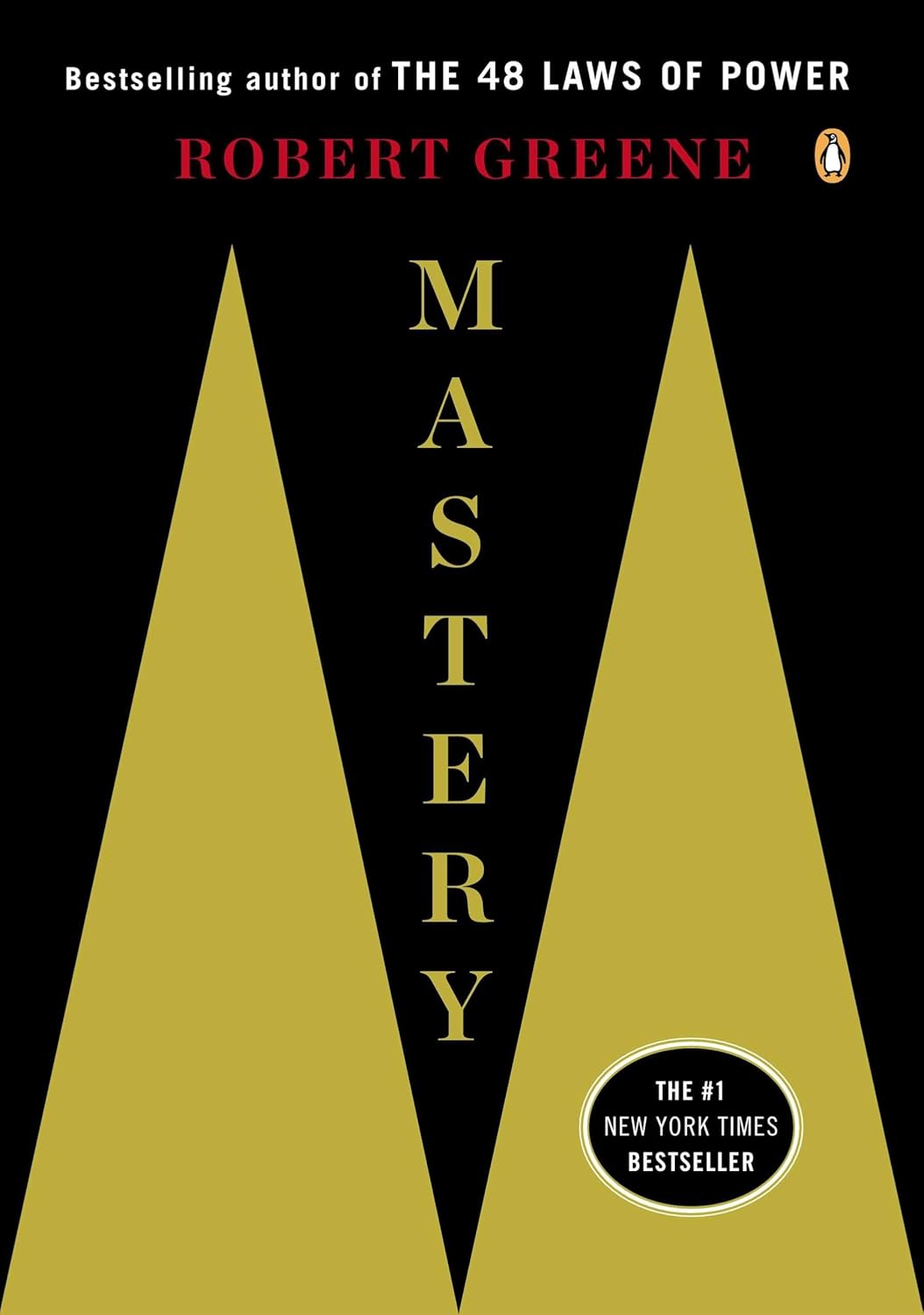
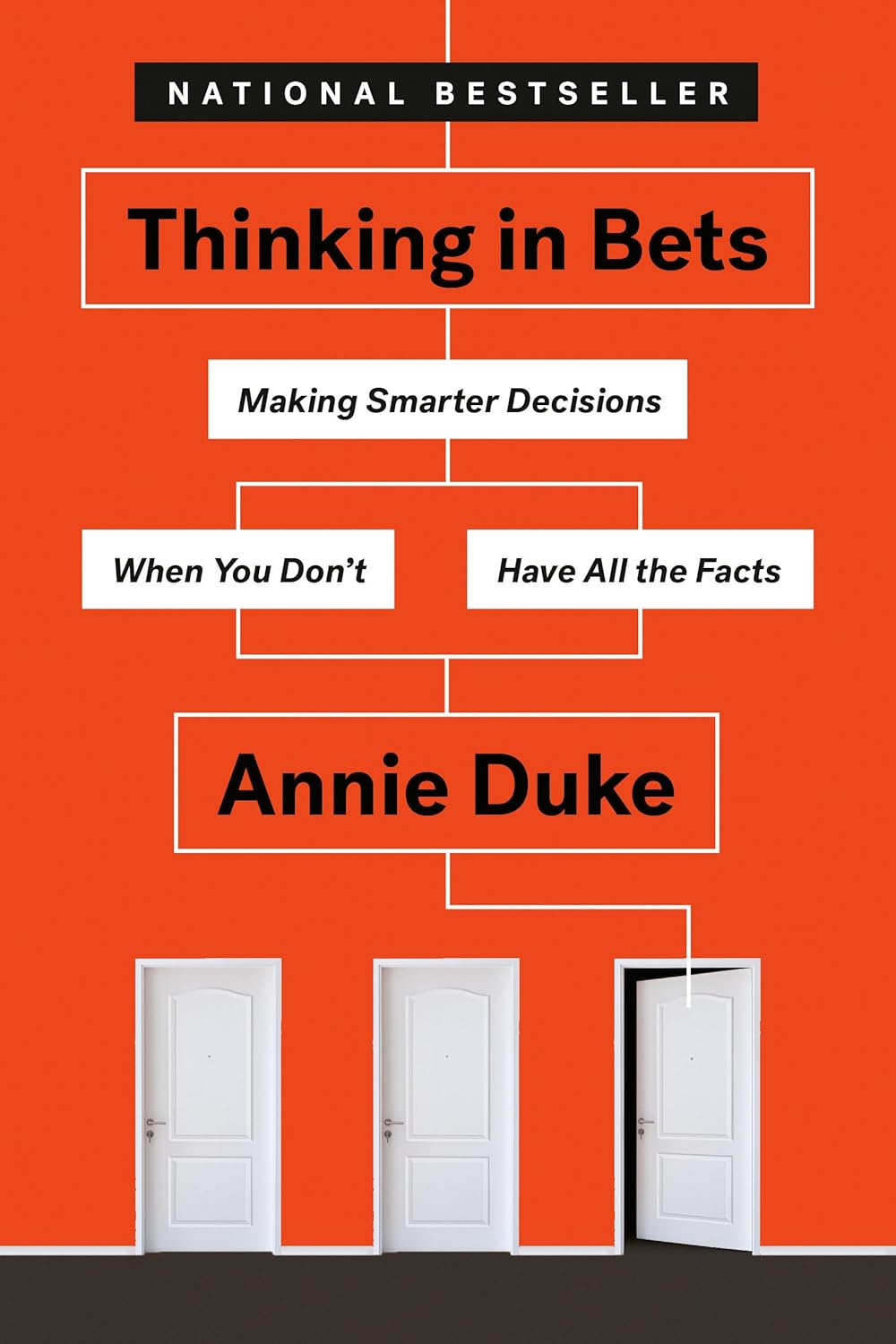

Intro: managing $30 million at age 25
The episode opens with a highlight reel: Ted Zhang, a 25-year-old portfolio manager at Reverd Asset Management — a firm managing over $400 million — reflects on how COVID sent him home from college in spring 2020 and his 'curious mind instantly got hooked on the markets.' Host Richard Moglen introduces Ted and sets the stage for a deep dive into his thematic catalyst momentum system.
From predental student to markets — how COVID sparked a trading career
Ted Zhang was on track to become an oral surgeon, having completed a premed/predental track and earned dental school acceptances, when COVID sent him home in spring 2020. With time and his dad's CNBC in the background, his curiosity pulled him toward the markets. He started with money from Uber Eats and DoorDash — around $5–10K — and plunged it all in, turning that initial stake into at least 15–20x in 2020–21. The gains came fast, but so did the inevitable giveback that followed.
The 50% drawdown that shaped everything — paper cuts, not one blow
After his 2020–21 run, Ted gave back roughly 50% of his gains — but not all at once. It was a gradual erosion of paper cuts, which he credits with keeping the experience survivable. A critical factor: he had to step away to study for and take the dental admissions exam, which forced a trading hiatus and prevented a full destruction of capital. That combination of enforced discipline and a softer drawdown gave him the time and clarity to study systematically before returning with a real framework.
Building a style after the drawdown — thematic catalyst momentum
Coming out of the 50% drawdown, Zhang read the core O'Neal books and converged on a style he calls thematic catalyst momentum — a form of trend following rooted in CAN SLIM principles but modified. The key modification: the team doesn't strictly require earnings and sales for every trade, since sectors like crypto have no earnings but still carry the same momentum characteristics. The style sits within trend following as the broad category, with growth and fundamentals as a useful but not mandatory filter.
Cold-DM'ing into Reverd — how Don's data discipline shaped the system
Ted joined Reverd Asset Management under Don, whom he cold-DM'd on social media asking for a job. Don's defining characteristic is extreme data discipline: he tracks every statistic in elaborate spreadsheets and builds systematic models to manage risk. The firm's origin story is personal — Don built the system from O'Neal's How to Make Money in Stocks after a family loss in the 2000 bear market, turning tragedy into one of the most disciplined frameworks Ted has encountered. The mentorship crystallized Ted's understanding that trading success is built on repeatable, measured processes rather than intuition.
Risk-first philosophy — don't lose money, and define your floor first
Don's biggest rule in portfolio management — which Ted cites repeatedly — is don't lose money: define open risk before entering any position and plan for what happens if the thesis is wrong. Ted frames risk and reward as siblings: the trader's job is to manage risk in a way that preserves upside. Asymmetric risk-reward isn't a vague concept but a structure built around a specific price floor. If you can identify where a stock is very unlikely to trade below, you can size accordingly. The entire Reverd system flows from this principle: risk is defined first, then everything else — position size, entry timing, exit rules — is built around it.
The Daily Stoic and O'Neal — the two books that built the foundation
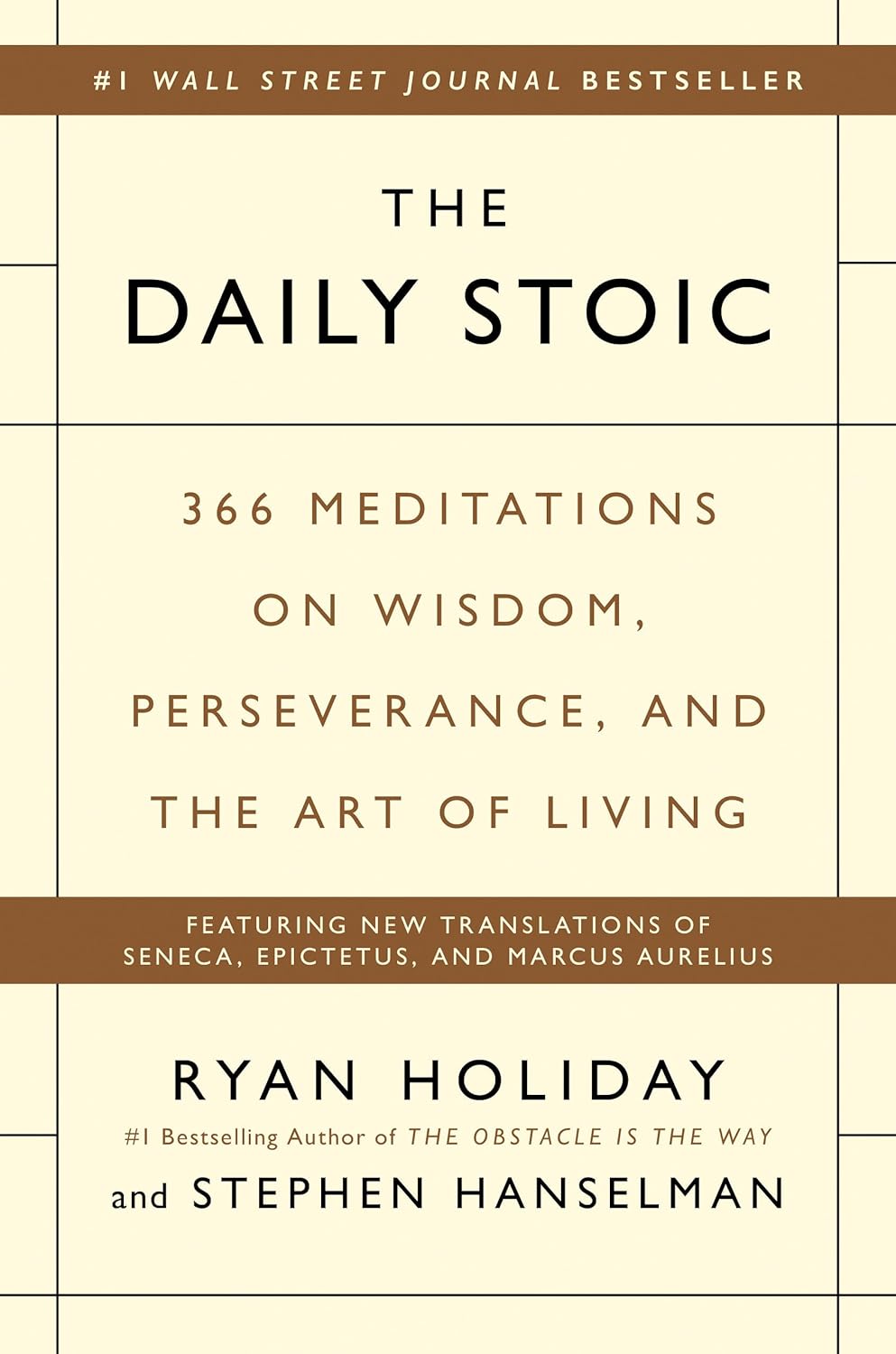
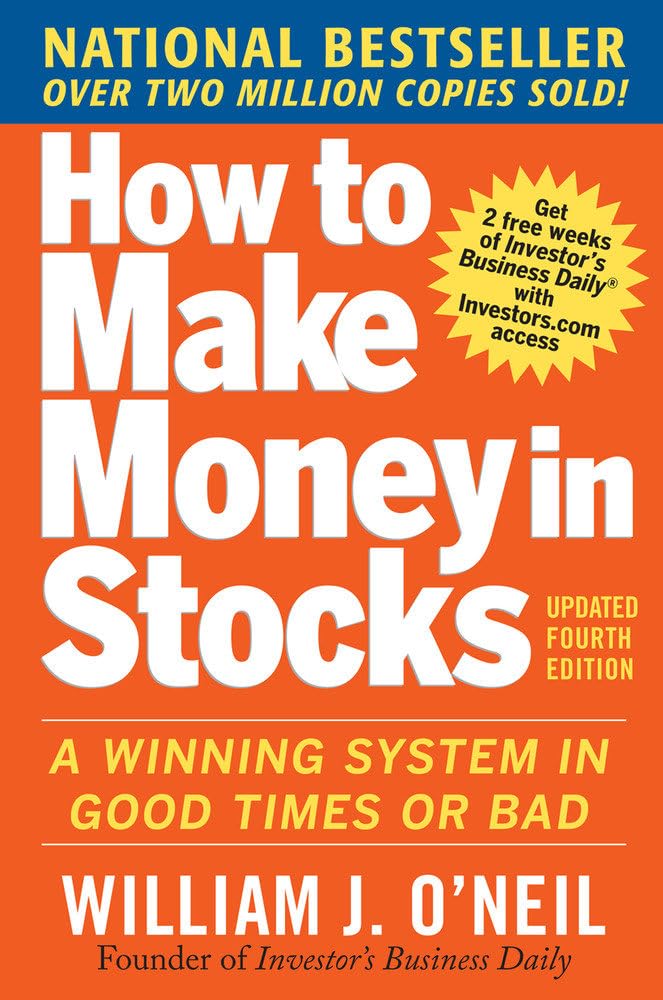
Ted walks through the first two pillars of his reading list. The Daily Stoic by Ryan Holiday instilled the core practice of focusing on what you can control — a philosophy he reads a page of daily for over four years, eventually buying the leather-bound edition. The core message: the market will do what it wants; your only job is to control your response. William O'Neal's How to Make Money in Stocks is the literal foundation of Reverd: Don built the firm's entire system from it, and the CAN SLIM framework — earnings, chart pattern, supply/demand, leadership, institutional sponsorship, market direction — remains the organizing structure for Ted's stock selection process.
Livermore and Weinstein — timeless principles from a century ago
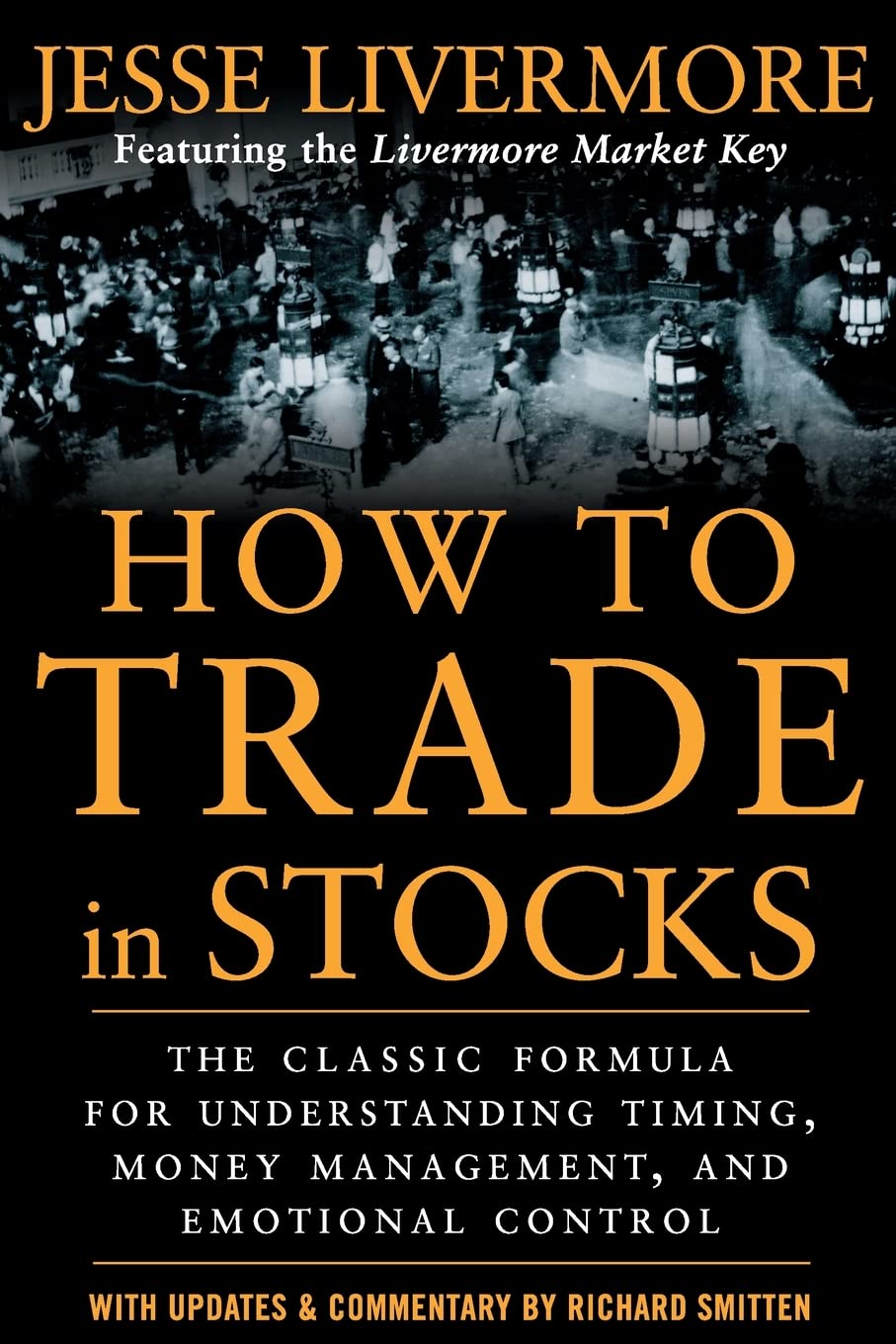
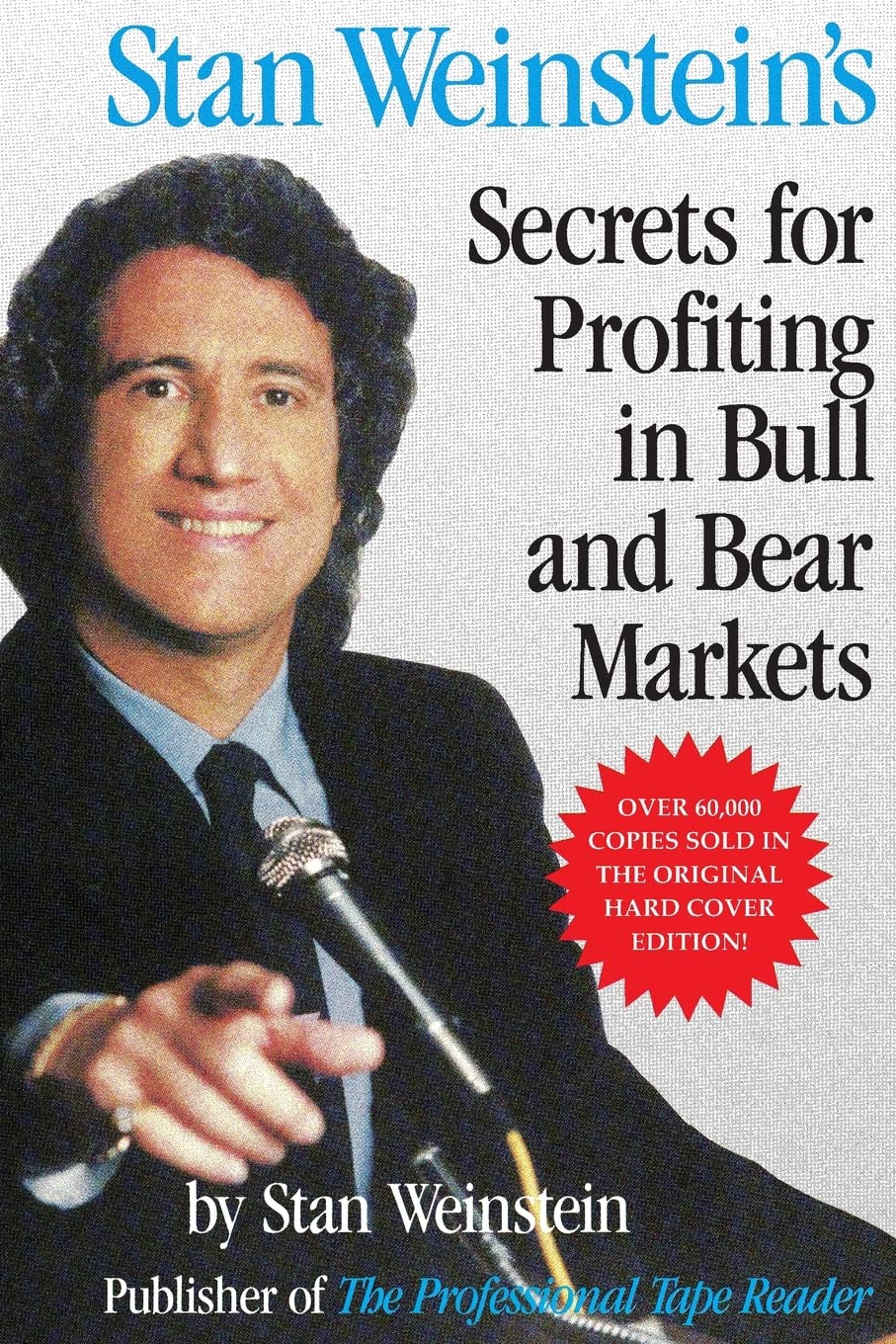
Ted highlights two more foundational books. Jesse Livermore's How to Trade in Stocks, which he is rereading for the third time, reveals that every modern trading principle — market leaders, sister stocks, sector themes, record-keeping — was discovered a century ago. Livermore's observation that 'the market repeats because human nature never changes' is a cornerstone of Ted's conviction in pattern-based trading. Stan Weinstein's Secrets for Profiting in Bull and Bear Markets provides the stage analysis framework: every stock is in one of four stages (basing, advancing, topping, declining), and the first thing Ted does when looking at any chart is identify which stage it's in. Stage analysis is a foundational part of his process.
Darvas, Seykota, and the discipline against impulsivity
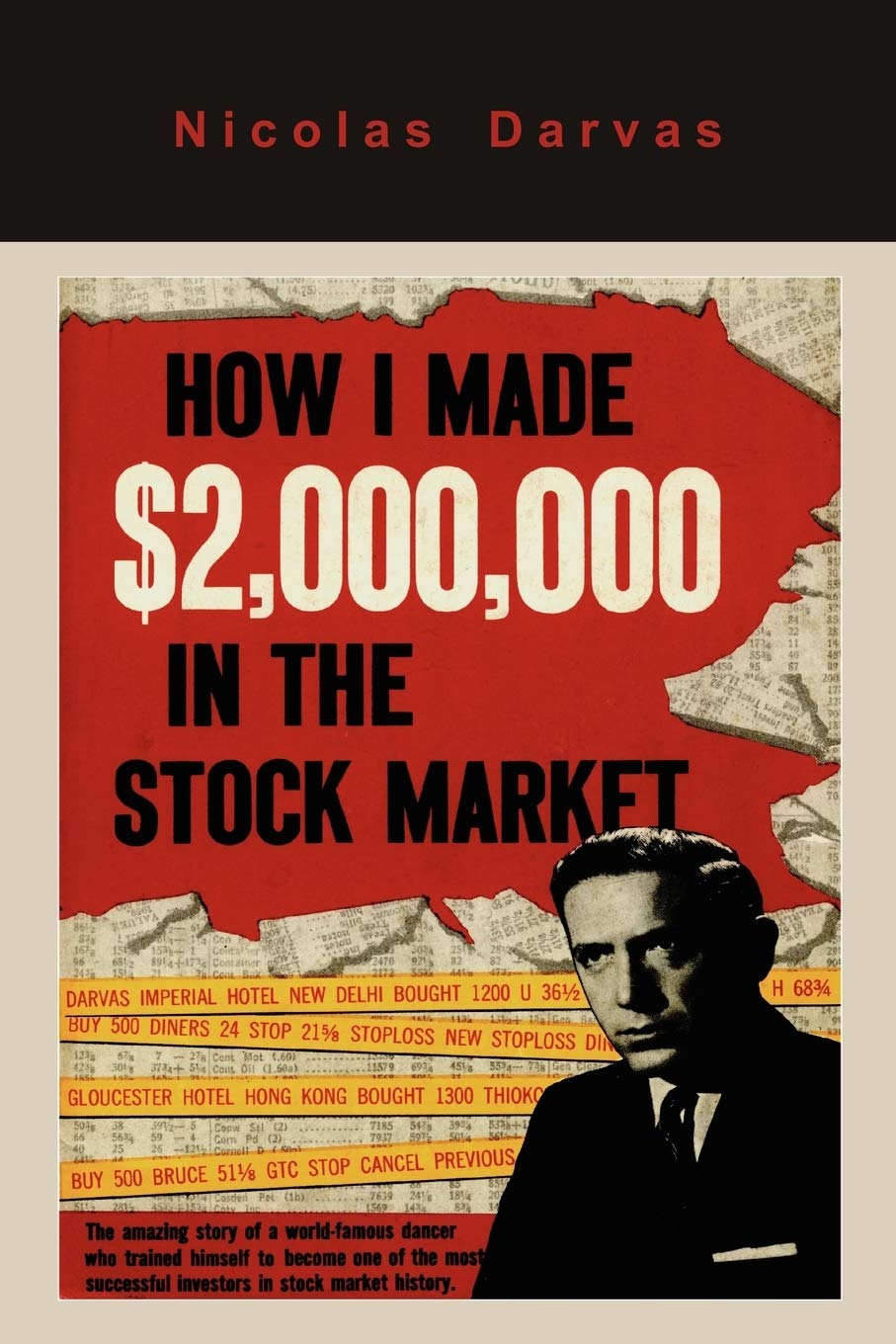
Ted highlights Nicolas Darvas's How I Made $2,000,000 in the Stock Market as a model of process: Darvas was traveling the world as a dancer, not staring at quotes, and his system of boxing price action and using telegram-based stop orders enforced distance from the screen — exactly the discipline most traders lack. Ed Seykota's observation reinforces the same truth: a quote monitor becomes a slot machine that makes you overtrade. The more you watch, the more you act, and the more you act, the worse your results. Darvas's method of 'only looking at prices once a day through the newspaper' is a lesson in the value of forced distance from the noise.
Minervini, Druckenmiller, and why the same book hits differently each time
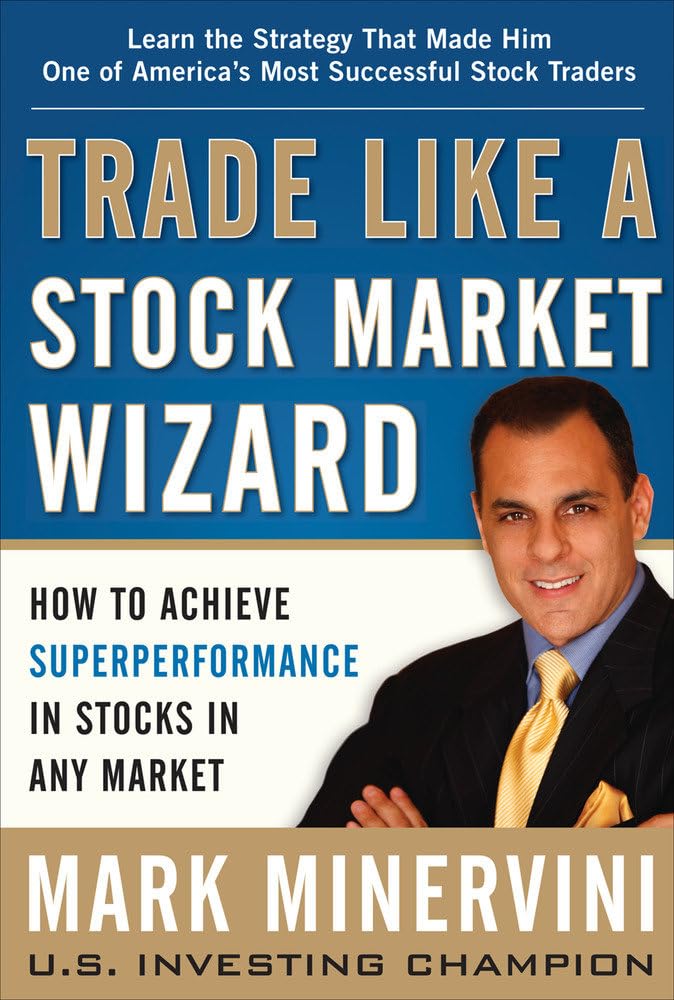
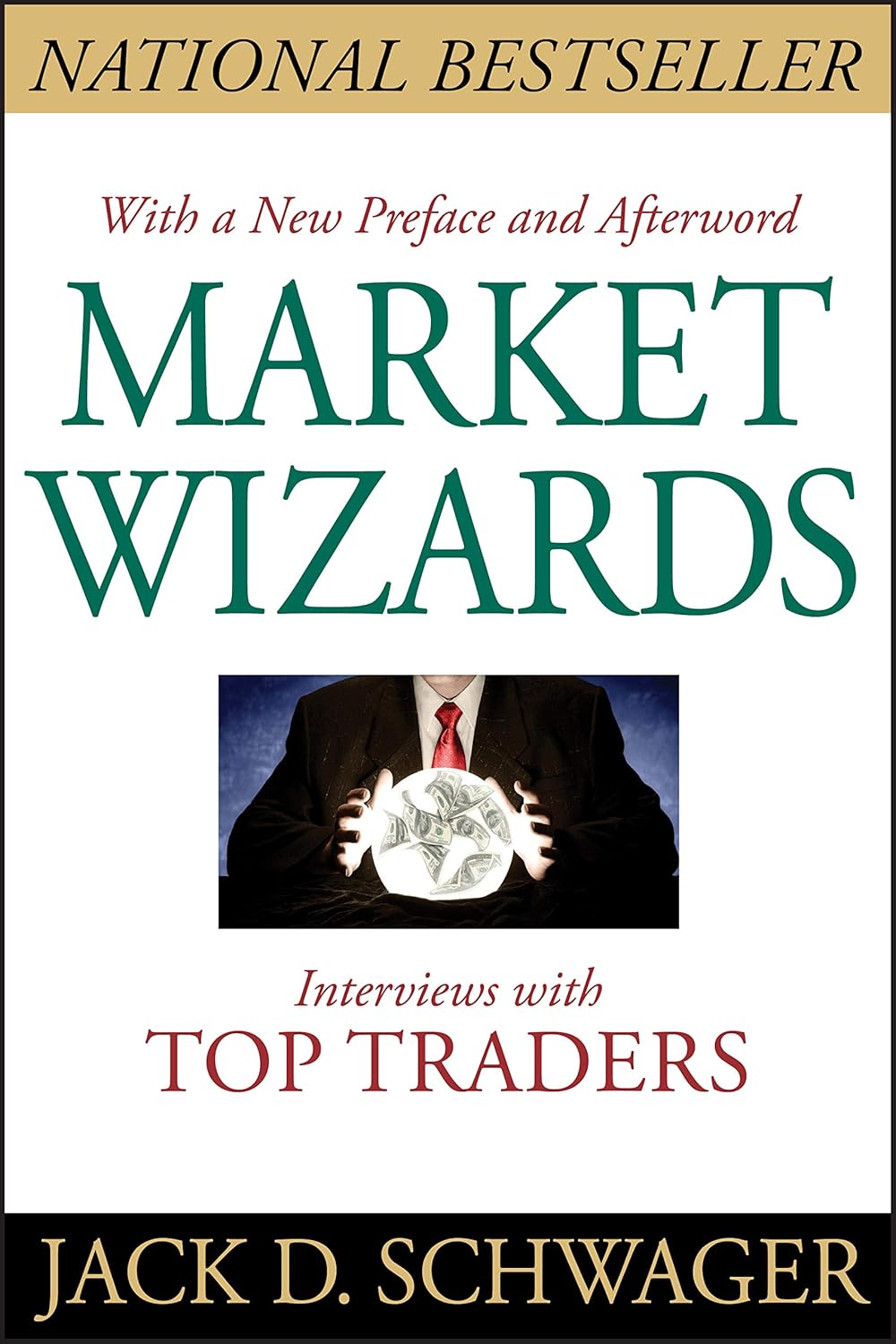
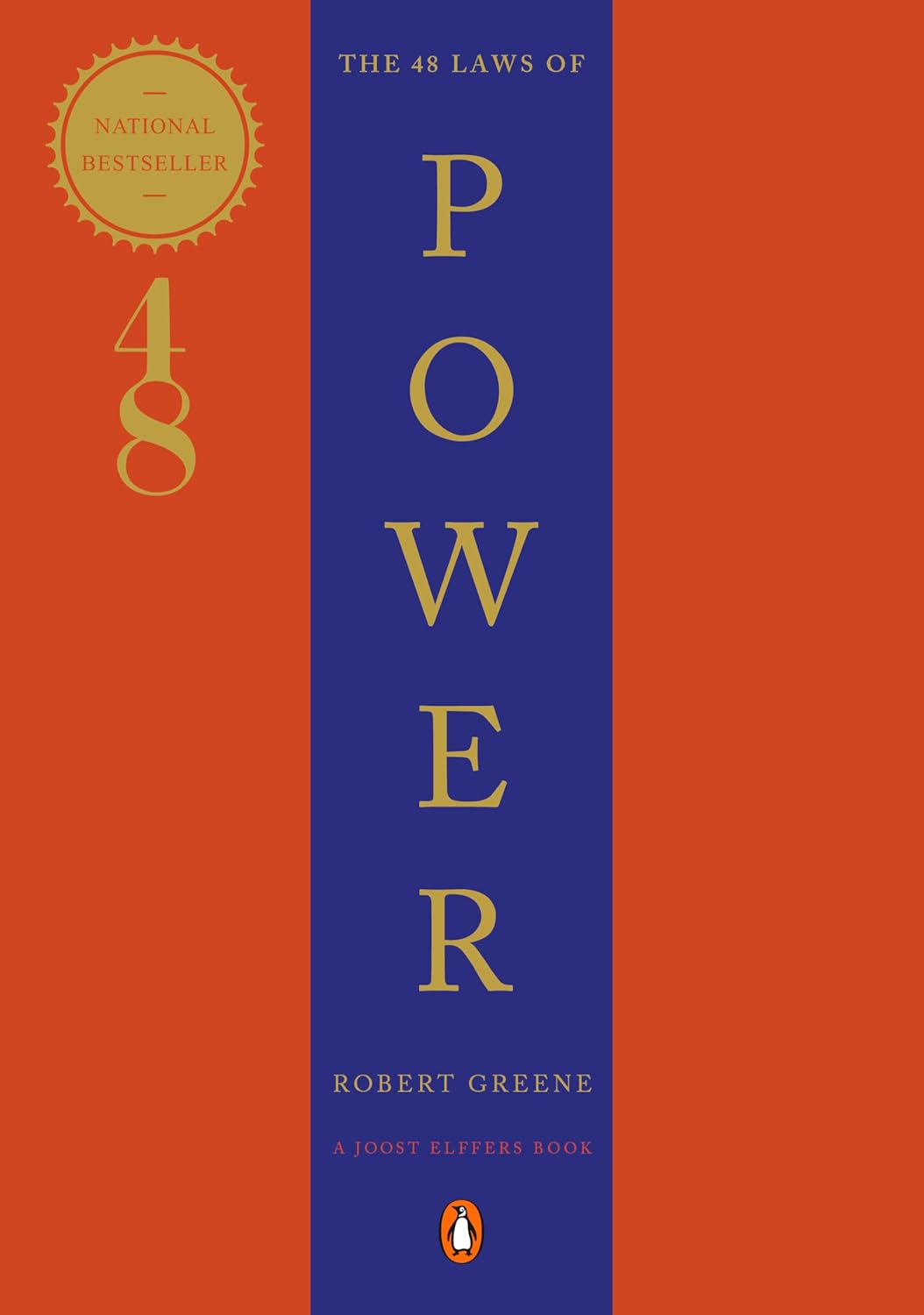
Ted rounds out his reading list with Mark Minervini's books (Trade Like a Stock Market Wizard and the Market Wizards series) and Stanley Druckenmiller's interviews — he has compiled a full playlist of Druckenmiller interviews on YouTube and studies them repeatedly. He also adds Robert Greene's 48 Laws of Power as a surprising inclusion on understanding competitive dynamics. Ted pushes the habit of rereading the same great books rather than racing through many: when you come back to a book as a more experienced trader, you find layers you missed. Heraclitus's river analogy applies — you're not the same trader as when you last read it, so the same text speaks to you differently.
Absorbing inputs without losing your style — and the competitive edge from sports
Ted describes how he filters the flood of podcasts, books, and online content without losing his own framework. The key is confidence in a core style: he can take small pieces from any source — a nuance here, an entry variation there — test whether it works, and discard what doesn't fit. Excessive information consumption only becomes a problem before a stable foundation is built. He also credits the competitive instincts from soccer and video games as directly transferable: both markets and sports are player-versus-player, with strategic thinking under pressure and a scoreboard that holds you accountable. Robert Greene's Mastery supports the idea that trading aptitude reflects a passion rooted in childhood, not a skill chosen in adulthood.
The magic elixir — liquidity, ADR, and building a checklist for a super stock
Ted and his partner Conor took CAN SLIM and modified it into what they call the magic elixir — a checklist of characteristics that define a super stock. The first criteria are technical: liquidity (no getting trapped, especially with client money — typically $300M+ average daily volume for the main fund) and high ADR/ATR (stocks moving less than 1% a day require too long to produce meaningful gains, and the wait erodes conviction). The name is deliberate: no single ingredient works alone, but when all criteria converge, the resulting trade has a qualitatively different character than stocks meeting only some criteria.
Earnings growth, themes, and chart confirmation — the final elixir ingredients
Beyond liquidity and ADR, Ted's magic elixir requires strong fundamentals tied to a growth story or catalyst, a stock that belongs to a hot sector theme (AI, rare earths, space, crypto), and chart confirmation — the setup must be visible in price action. The framework is rooted in O'Neal but adapted for a more volatile, theme-driven modern market where a stock like Palantir can gap 25% on guidance and run for weeks. The checklist is applied systematically: if a stock doesn't check every box, it doesn't get full size. The discipline is in the rejection — saying no to almost everything is what makes the yeses count.
Secular vs. cyclical themes — and why linearity is the final differentiator
Not all themes are equal: secular themes (tech revolutions, AI, rare earths) produce multi-year compounding moves because underlying earnings growth is structural. Cyclical themes (housing, financials, retail) rise and fall with the economic cycle and interest rates. Zhang focuses on secular themes for the big sustainable moves. When two stocks both clear the magic elixir criteria, the tiebreaker is linearity: how consistently does the stock trend upward without violating prior lows? A stock that makes new highs without breaking the previous day's low, day after day, is categorically different from a choppy stock. GDX vs. the choppy version of that same chart two years earlier is his go-to example of the distinction.
Finding the top stocks within themes — and why the best setups stand alone
Within each hot theme, Ted narrows to the top one to three stocks — the names with the strongest fundamentals, the cleanest charts, and the highest institutional interest. He notes that recent themes have cascaded: AI drove energy plays, then software plays, then rare earths. A good theme produces multiple waves of opportunity across related sectors. The key discipline: don't chase every name in a hot sector. Find the leader — the stock that first reclaimed all moving averages, showed the tightest consolidation, and produced the most linear advance — and focus your size there. The second and third names in a theme almost always produce weaker returns with more chop.
Position sizing at Reverd — 50bps max risk and the three-fund structure
Reverd's risk framework starts from the portfolio level: they typically risk no more than 50 basis points per trade, and increasingly closer to 15–25bps, determined by how many magic elixir criteria the opportunity checks and their conviction level — the more boxes a stock checks, the more risk they allocate. Position sizes are capped at 12.5% in Turbo (the aggressive fund targeting accredited investors) and 8% in Protection (skewed to retirement accounts). All three funds — Turbo, Grow, and Protection — operate from the same playbook but with different risk tolerances calibrated to the client base.
Index overlay and correlation management — don't let one theme sink the portfolio
All three Reverd funds include an index overlay in 1x, 2x, and 3x S&P that is dialed up or down based on trend-following signals, ensuring broad market exposure is always sized appropriately alongside individual stock positions. Ted also manages cross-position correlation: when the momentum unwind hits — as it did recently with gold, silver, and SanDisk all topping simultaneously — non-correlated bets are what prevent a single theme from sinking the entire portfolio. The goal is a portfolio where not every position goes down on the same day, and the index overlay provides ballast when growth positions are under pressure.
SanDisk (SNDK) trade — spinoff base, MU earnings catalyst, and the memory group move
Ted walks through the SNDK trade starting from the fundamental setup: it was a spinoff with a base on the chart, and the trigger was Micron (MU) earnings, during which the conference call flagged a severe supply/demand imbalance in memory. When the fundamental thesis (supply shortage → pricing power) aligns with a hot sector group and the chart shows tight base action with volume, the group move becomes high-probability. Peer names MU, WDX, and STX all worked in parallel, confirming the group rotation. Ted shows the 137% move that followed and emphasizes that paying attention to a group move when you already know the fundamental story is the highest-conviction entry posture.
Measuring linearity — how many days in a row does it hold the prior day's low?
Ted introduces a quantitative approach to measuring linearity: count how many consecutive days a stock makes a new high without breaking the previous day's low. He's building a scoring system at Reverd that tracks the percentage of time a stock stays above key moving averages over a given period, turning qualitative 'smoothness' into a numeric score. The more linear the move, the easier it is to hold — linear stocks respect the 5-day and 10-day like guardrails, giving the trader clear exit signals. Choppy stocks break key levels constantly, forcing constant decision-making and eroding conviction.
Reading the SanDisk breakdown signal — the strongest stock breaking is a market warning
After an extended move, SNDK gave a breakdown signal that Ted reads as a two-level lesson. At the position level, a negative expectation breaker — a large reversal candle, a lower high, and reconfirmation below a key shelf — is the signal to exit or trim aggressively. At the portfolio level, when the strongest stock in the strongest sector breaks down, it is a canary in the coal mine for the broader market: it typically precedes a choppy or declining environment for growth stocks generally. The timing coincided with geopolitical tensions and a government shutdown scare, underscoring that top-down context and individual chart behavior must both point the same direction for confidence.
The re-entry framework — 50-day test, 20 SMA discipline, and the RMV entry signal
After a pullback in SNDK, Ted explains his framework for re-entry: he waits for the stock to reclaim all key moving averages with all slopes rising before adding. He specifically uses the 20 SMA rather than the 8 or 21 EMA because the SMA keeps him out of false starts and reduces frustration — a principle he frames as maximizing reward-to-aggravation, not just reward-to-risk. The inside day low-volatility contraction, confirmed by his RMV indicator flashing below 5, is his precise entry signal. He never adds to a loser — averaging down is explicitly rejected. All position additions come into winning trades with confirmed momentum behind them.
Scaling into SNDK — half-size starters and pyramiding into strength
Ted walks through how he scaled into the SNDK position. He started with a half-size position given the holiday-period uncertainty (thin volume, tax-loss harvesting, choppy conditions in late December), then added as the stock confirmed strength — reclaiming rising moving averages and respecting the 10 EMA. The pyramid approach: a starter position at the initial entry, a full-size add when the trend re-establishes, and a trim if the stock loses a key level. He also shows where he added a small starter in a leveraged GDX product (Nugget) using the same framework and it worked immediately, allowing him to pyramid as prior highs became support.
Building cushion in SNDK — partial sells, parabolic phase, and the 2.5%-per-month goal
As SNDK extended into a parabolic move, Ted's approach was to build a position cushion through partial sells at technical resistance and ATR extensions rather than holding everything for maximum gain. The mindset: 2.5% per month compounding equals roughly 35% per year, which is world-class portfolio management — the goal is to protect gains so the cushion allows more aggressive positioning later. A 10 ATR extension above the 50-day was his trim signal; a bearish engulfing candle on high volume warned of a potential reversal. His acknowledged lesson: he was undersized in this trade (one of the two best opportunities of early 2026), and a pyramid to 7.5% would have made the year in a single position.
Using the 5-minute chart to time intraday exits in a parabolic move
When managing a late-stage parabolic position in SNDK, Ted switches to a 5-minute chart to time partial sells. The technique: watch for the stock to push into pre-market highs, reject them on a 5-minute candle, then use the 5-minute open range lows as the trim trigger. He sold 14% of the position at 647.81 when the stock broke the 5-minute open range low — a level that coincided with a half-Livermore level breaking at 650 and the intraday opening price. For managed accounts that can't short, he uses parabolic short entry criteria as his trim signal: if this were a short setup, that is where you'd sell a long.
Gold (GLD) trade — a 10-year cup-with-handle, linear move, and the macro setup
Ted walks through the GLD trade as a case study in a non-earnings momentum setup: gold has no EPS, but it checks every other magic elixir criterion — narrative (de-dollarization, government debt, geopolitics), liquidity, high linearity, and a 10-year cup-with-handle base. He initially passed on an earlier base feeling it was too slow, then re-entered when gold reclaimed all moving averages with tight volatility. The setup was confirmed by cross-referencing GDX futures: when the futures chart showed the same base, same moving-average reclaim, and same volume signature, the ETF entry had institutional-grade confirmation.
Gold exit strategy — ATR extensions, 10 EMA close, and the macro liquidation cascade
Partial sells in GLD were triggered by ATR extension signals. The final exit came when gold closed below the 10 EMA — coinciding with futures closing below the same level and a macro shock (hawkish Fed chair nomination plus CME margin hike) that forced a liquidation cascade across precious metals. Ted emphasizes that commodity trade exits require cross-referencing the futures chart, not just the ETF — the futures close below 10 EMA is the definitive signal, and the ETF can lag by minutes or hours. The lesson: when a macro event hits a crowded trade, the exit must be immediate and mechanical — hesitation in a liquidation cascade is the most expensive mistake.
Nugget and Silver — pyramiding, linearity, and the regret of undersizing
Ted quickly applies the same magic elixir framework to two more positions. Nugget (a leveraged GDX product) was a small starter at a 20/50 moving average reclaim with an RMV flash; it worked immediately and he pyramided into strength as a prior high became support. Silver (SLV futures) exhibited near-perfect linearity — consecutive tight flags holding the 10 EMA day after day — and his one regret was not pyramiding more aggressively at all-time highs. A bearish engulfing triggered his first trim but he held through two 10-EMA undercut-and-reclaims before the final new high squeezed shorts. Across both trades, the pattern is consistent: the best setups are the ones where holding is easy because the trend is clean, and the main mistake is not sizing up when the chart is screaming.
Palantir (PLTR) — the episodic pivot off a guidance beat
Palantir was an episodic pivot trade off a guidance beat: Ted bought the gap up and held a linear trend above the 10 EMA, trimming at the measured-move target. He describes almost being out of the position at 12.5% of original size when the 'multitude of factors' kicked in — additional elixir criteria flashed, and he knew in real time the move was likely to extend. PLTR's 130% move in a two-month period on a $5 trillion market cap stock was unprecedented, and Ted's main takeaway is that even the biggest stocks can produce momentum-trade returns when the catalyst is powerful enough and the elixir criteria all converge. He also shows how the episodic pivot pattern (gap, flag, continuation) is one of the most repeatable setups in his playbook.
Pre-market scanning — DV leaders, high-volume scans, and AI research tools
Ted's pre-market routine takes 30–45 minutes when efficient: he runs a DV leaders scan, an up-in-volume scan (most big catalysts surface here), and a highest-volume-ever scan to catch unusual institutional activity. For fundamental research he uses AI directly in his browser, with a prompt asking what drove a stock's move, all news in the last 90 days, themes, and competitors — output in about 20 seconds versus 30–45 minutes manually. This gives him instant context on whether a pre-market mover has a real catalyst or is just noise.
Focus list discipline — combined position tracking and the blinders that prevent FOMO
Ted maintains a combined position list across all client and personal accounts, a pre-market scanner for early movers, and a universal scanner for post-close review. The critical discipline: he only builds from what's on the focus list during market hours — unknown movers aren't seen until after the close, which prevents impulsive chasing. He also tracks a short watchlist for stage 3–4 names breaking down, and the focus list itself is the anti-FOMO mechanism: if a stock isn't on the list, it literally doesn't exist during the trading day. The blinders are intentional — the market shows you thousands of movers, and trying to track them all is how you end up in low-conviction trades.
Stoic adaptation — accept what the market does, fear only abnormal action
Ted's journaling practice is built around a stoic principle he adapted specifically for trading: accept that the market will do whatever it wants, and only fear abnormal action. He repurposed the serenity prayer — 'grant me serenity to accept that markets will do what they want regardless of what I want' — and recites it before each session. The journal includes quotes from market wizards he rereads when struggling: Bruce Kovner's 'undertrade, undertrade, undertrade,' Livermore on patience, and the cheetah analogy from Mark Weinstein. Annie Duke's Thinking in Bets principle is woven throughout: judge decisions on process, not results.
Fat pitch analysis — asking 'was it a fat pitch?' after every trade
Ted's post-trade journal includes a critical question: was this a fat pitch? All his best winners share a common characteristic — they were obvious to him in real time, not ambiguous. The PLTR gap-up, the SNDK group move, the GLD base break — these were all setups where the chart practically screamed the entry. By tracking which trades were fat pitches and which were forced, he builds a database of his own pattern recognition. The goal over time is to only swing at fat pitches and let the marginal setups pass. His focus list constraint supports this: fewer stocks seen means fewer marginal decisions, which means a higher percentage of fat pitches in the trade log.
Post-market journal — market notes, trade analysis, and inter-asset awareness
Ted's post-market journal has distinct sections: market notes with subjective trend assessments (momentum, breadth, new highs/lows), post-trade analysis asking whether the process was sound and whether it was a fat pitch, a situation awareness section monitoring inter-asset correlations (stocks, bonds, crypto, commodities), and a stock trading environment summary with reminders like 'you'll be in drawdown 99% of the time.' He reviews his last 5–50 trade stats and current position health, asking whether he's earned the right to size up based on recent performance.
Weekly journal and Notion AI — reverse synthesis and querying years of data
The weekly journal uses an organic chemistry analogy: start from the desired end state, then reverse-synthesize each step required — the minimal viable process to get there. Ted also uses Notion AI to query his entire multi-year journal history for pattern recognition: 'summarize my strengths and weaknesses from this date to that date.' The AI reads years of his own trade notes and distills patterns he might miss in real time. He views trading as a complex system like the human body — you learn each subsystem (risk management, position sizing, entry tactics, sell rules, daily process, post-analysis) separately, then piece them together. The weekly review is where the subsystems are calibrated against each other.