Stan Druckenmiller — Hard Lessons (Morgan Stanley)
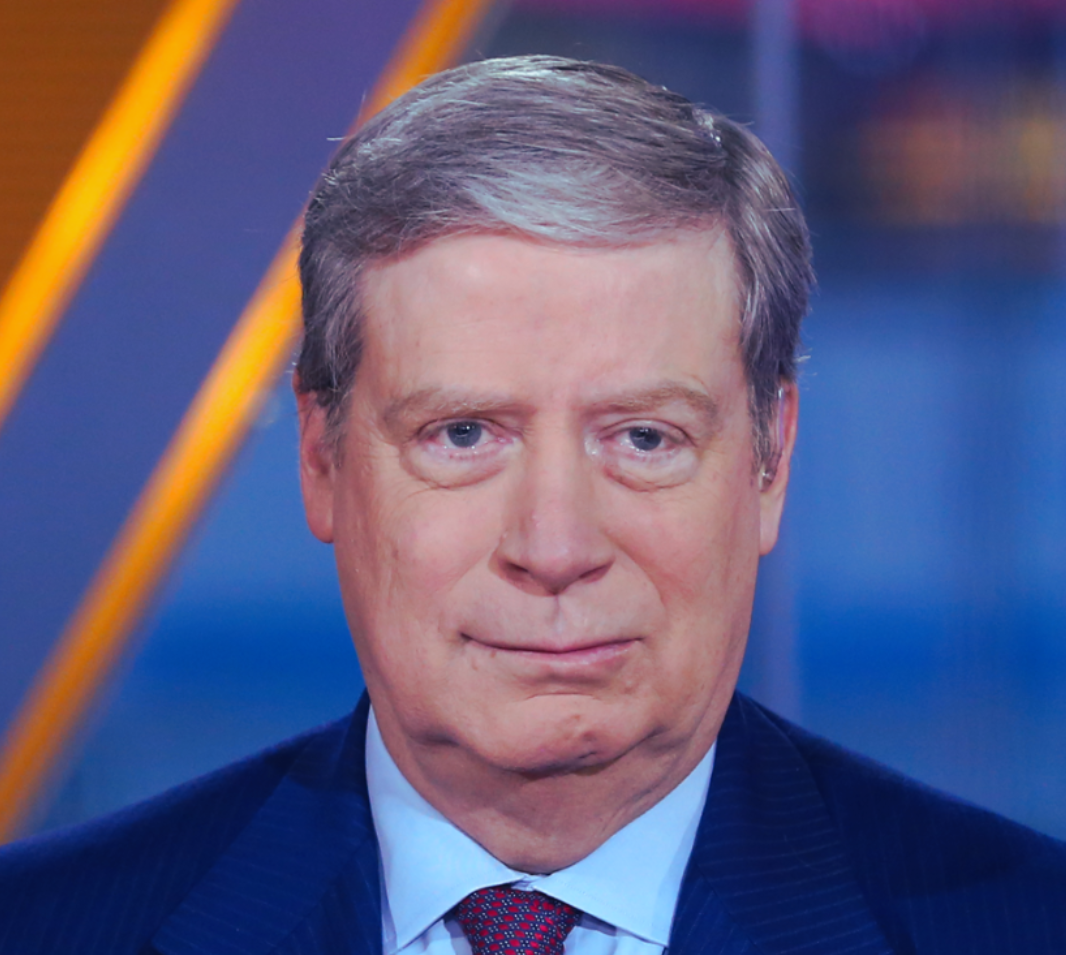
Interview by Morgan Stanley
Morgan Stanley's Hard Lessons series brings together leading investors and executives to reflect on the most formative challenges of their careers — the mistakes, setbacks, and turning points that shaped how they think about markets.
Stan Druckenmiller reflects on the pivotal mistakes and hard-won lessons from a 40-year career managing money at the highest level. He discusses his invest-then-investigate philosophy, the real cost of being stubborn about a position, and why conviction without risk management is dangerous.

"Invest, then investigate" — the Teva trade
Druckenmiller walks through a recent Teva Pharmaceuticals position: a boring generic drug company at 6× earnings, with a new CEO pivoting toward biosimilars and branded drugs. Value investors hated the growth pivot; growth investors wouldn't touch a generic company. Nobody owned it. He saw the inflection before the market did — the stock doubled in six months. The lesson: don't look at what a company is today, look at what it might become and how investors will re-rate it.
My edge is not IQ — it's trigger-pulling
Asked if you need domain expertise to invest in biotech, his answer is an emphatic no — but you need a trusted expert on your team and the skill to read their level of enthusiasm, not just the data they present. He describes his own intelligence as narrow: he is not a brilliant analyst, he is a decisive actor. He filters people, not spreadsheets.
What Soros taught him: the lesson of sizing
He credits two mentors — an early Pittsburgh boss who taught him craft, and Soros, who taught him the single most important lesson of his career: position sizing. When he joined Soros, he expected to learn about macro. Instead, he learned that being right or wrong matters far less than how much you make when right and how little you lose when wrong. That asymmetry compounds differently than anything else.
Building a portfolio from scratch today
Asked to construct a portfolio from zero, he lays out his current macro framework: strong US economy, likely Fed cuts, but historically rich valuations. Against that backdrop: long an eclectic basket of equities, long Japan and Korea, long copper (structural supply deficit plus AI-driven demand), some gold as a geopolitical hedge, and short bonds — not expecting to make money on the short, but using it to hedge the inflation scenario while holding risk assets.
Time horizon: 18 months to 3 years — and using volatility
He thinks of most trades in terms of 18 months to 3 years, but will exit in 5 days if the facts change. The rise of systematic players and retail-driven volatility hasn't changed his framework — if anything, short-term violence creates better entry points when it goes against a thesis he holds with conviction. The key is using volatility rather than being a victim of it.
Contrarianism is overrated
Soros taught him that the crowd is right 80% of the time — you just can't be caught in the brutal other 20%. He gets intellectual satisfaction from the contrarian 20% but admits that's ego, not edge. He doesn't care if a trade is crowded if the thesis and the trend are right. Extreme conviction plus no believers doesn't make him doubt — it makes him more convicted.
The Nvidia story — and selling too early
His partner introduced him to AI in early 2022. He bought a small Nvidia position. ChatGPT launched two weeks later — he doubled. A Morgan Stanley call confirmed the thesis — he doubled again. He then publicly said he couldn't see selling for 2–3 years. Then the stock hit $800, up from $150, and he sold — couldn't stand the success. It went to $1,400 five weeks later. He describes this as one of his biggest regrets: he violated his own stated time horizon because of short-term P&L discomfort.
What he's unlearned: technical analysis and price vs. news
Technical analysis was roughly 5× more effective 30–40 years ago simply because so few people used it. Now that everyone does, the edge is gone. Same with the "bad earnings, stock holds up" signal — once widely taught, it stopped working. He calls both strategies "loved to death". He hasn't abandoned them but no longer relies on them the way he once did. The lesson: an edge exists only as long as it remains non-consensus.
More wisdom, less courage — the chickening out problem
Despite having more pattern recognition and tools than ever, he admits he was a better portfolio manager in his 30s and 40s because he had the courage to size into conviction. Wisdom and capital accumulate; willingness to act on them can quietly erode. He is actively trying to regain that nerve — not for performance, but because the game is more fun when you play it fully.
Imposter syndrome for 15 years — and moving on
Despite his track record, he doubted himself as a random accident for more than 15 years. He still gets emotional in drawdowns and still makes the same types of mistakes. The hard-won lesson: at some point the record is long enough and consistent enough that you have to accept it is not luck, stop torturing yourself for 48 hours after every mistake, and move on. The gift is real — the job is to stop fighting it.